
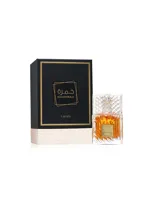
Khamrah
EDP · 2022
Lattafa
Statement
Fragrance allergen
Cinnamyl alcohol is a floral-smelling aromatic alcohol that occurs naturally in cinnamon and can be obtained from storax by breaking down cinnamyl cinnamate. Industry also makes it from cinnamaldehyde. Perfumers use it in colognes, soaps and lotions, and as a fixative that helps hold a blend together.
DrugBank, quoted by PubChem, calls cinnamyl alcohol a naturally occurring compound found within cinnamon. HSDB says it was originally obtained by saponifying cinnamyl cinnamate (styracin) from storax, a method that is still usable. It can also be made synthetically, by reducing cinnamaldehyde, for instance with aluminium isopropylate or ethylate.
A pleasant floral odour that reference sources liken to hyacinth. JECFA describes a white to yellowish crystalline solid with a warm-balsamic, floral, sweet odour.
HSDB lists it as a fragrance for colognes, soaps and lotions and as a fixative for perfume blends. It is also a chemical intermediate for the cinnamyl esters used in perfumery. Outside perfume it flavours foods such as candy, gum and drinks, and is used in making chemical-resistant coatings.
Named on 16% of the 6,994 perfume ingredient lists we hold (1,134 perfumes).
SCCS/1459/11 (2012) places cinnamyl alcohol in its +++ band of established contact allergens in humans (101 to 1000 reported positive test reactions) and names it an established prohapten, a compound the skin can convert into a sensitising form. It is on the older EU and Great Britain labelled lists. IFRA's index lists a Restriction standard for it (2020). In PubChem's summary of ECHA company reports, 99.7% say it may cause an allergic skin reaction.
A list that does not name it does not prove it is absent: brands only have to name it above the threshold.
Share of the perfumes we hold a list for, in each concentration.
Share of the lists naming Cinnamyl alcohol that also name each of these.
EDP · 2022
Lattafa
EDT · 2021
Yves Saint Laurent
Also EDP
EDP · 2018
Tom Ford
Also Parfum, Body Spray
EDP · 2006
Narciso Rodriguez
Also EDT
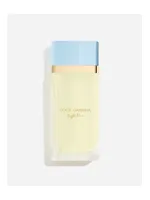
EDP · 2026
Dolce & Gabbana
Also EDT
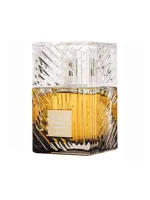
EDP · 2023
Lattafa
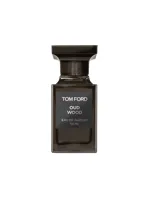
EDP · 2007
Tom Ford
Also Body Spray
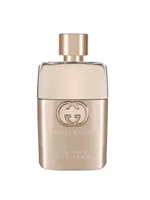
EDT · 2021
Gucci
Also EDP
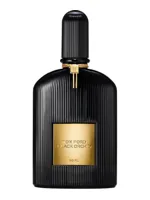
EDP · 2006
Tom Ford
Also EDT, Parfum, Body Spray
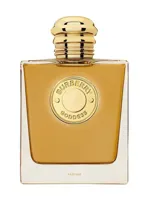
Parfum · 2025
Burberry
Also EDP
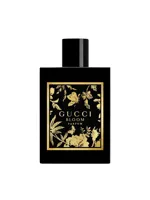
Parfum · 2025
Gucci
Also EDT, EDP
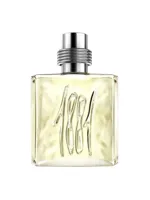
EDT · 1990
Cerruti
Floral, with a hyacinth-like quality. HSDB records a pleasant floral odour and an odour of hyacinth, and JECFA describes a warm-balsamic, floral, sweet odour.
Both. It occurs naturally in cinnamon, and it was first obtained from storax. It can also be made by reducing cinnamaldehyde, for example with aluminium isopropylate or ethylate.
It is one of the named fragrance allergens in both the EU and Great Britain. It must be named in the ingredients list when its concentration exceeds 0.001% in leave-on products or 0.01% in rinse-off products.
Get the verdict in your inbox
New finds, honest verdicts, and price drops.
No spam. Unsubscribe anytime. See our privacy policy.
Are you sure?