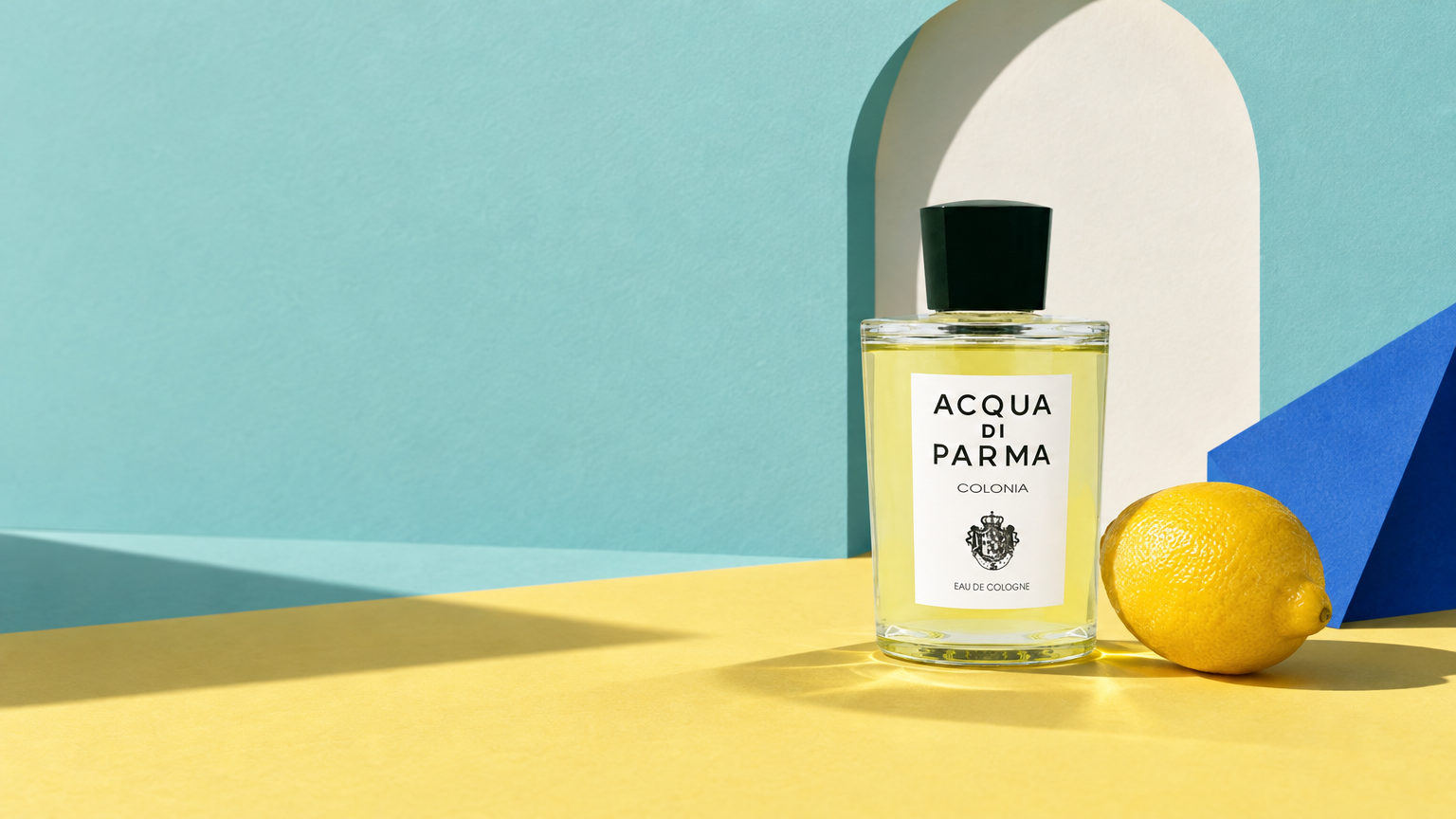
"Cologne" and "perfume" are not opposites. In the strict sense, Eau de Cologne is the lightest standard fragrance strength, commonly quoted at 2-3% fragrance oil, well below the 15-20% of an Eau de Parfum. In everyday American English, "cologne" simply means a men's fragrance at any strength. This guide shows the difference with our own catalogue: of 8,258 men's perfumes we hold, only 5% are true Eau de Cologne, and 88% are Eau de Toilette or Eau de Parfum.
Four terms at a glance
| Term | What it is | Fragrance oil, as commonly quoted | In our catalogue |
|---|---|---|---|
| Eau de Cologne | The lightest standard strength, citrus-led | Roughly 2-3% (some sources say up to 5%) | 1,617 perfumes (3%) |
| Eau de Toilette | A middle strength, often called "cologne" for men | Roughly 5-15% | 11,452 perfumes (24%) |
| Eau de Parfum | A stronger, richer strength | Roughly 15-20% | 27,890 perfumes (58%) |
| Parfum or Extrait | The most concentrated | Roughly 15-30% | 4,895 perfumes (10%) |
| Aftershave | A product for skin after shaving, not a fragrance strength | Not applicable | Not applicable |
Choose a true Eau de Cologne if you want a light, citrus refresher you reapply through the day. Choose an Eau de Parfum if you want a fragrance that stays with you. If a men's bottle says "cologne" on a US shop page, read the small print: it is far more likely to be an Eau de Toilette or Eau de Parfum.
What our own data shows
How we know. Every figure here was read from our catalogue on 27 October 2026: the strength recorded for each perfume, the verdict on its page (compiled from wearer reports), the notes and perfumer credits we hold, and our scent profiles. The method is on our methodology page. For the oil percentages and the history we rely on the Wikipedia articles on perfume, Eau de Cologne and aftershave, which note that sources differ on the exact bands. If a figure looks wrong, tell us and we will check it.
- True colognes are not a men's category. Of the 47,685 published perfumes we hold, 1,617 (3%) are Eau de Cologne strength. Only 380 of those are masculine. 642 are feminine and 595 are unisex.
- The American "cologne" is mostly another strength. Of our 8,258 masculine perfumes, 380 (5%) are Eau de Cologne, 3,126 (38%) are Eau de Toilette and 4,137 (50%) are Eau de Parfum.
- Staying power follows the ladder. 26% of Eau de Cologne perfumes are rated fleeting or short on staying power, against 14% of Eau de Toilette and 12% of Eau de Parfum. At the long end, 5% of Eau de Cologne perfumes are rated long or very long, against 15% of Eau de Toilette and 28% of Eau de Parfum.
- They lean to warm weather. 43% of Eau de Cologne perfumes are rated strongly suited to summer, against 33% of Eau de Parfum.
- Citrus opens them. Bergamot opens 551 of the 1,617 Eau de Cologne perfumes, lemon 293 and mandarin 242.
The perfumers behind the examples below include François Demachy for Dior Homme Cologne, Jean-Claude Ellena and Françoise Caron for Hermès Eau d'Orange Verte, Jacques Polge for Chanel Allure Homme Sport, and Christine Nagel and Violaine Collas for Atkinsons 24 Old Bond Street.
Eau de Cologne is a real strength, not a synonym
The name comes from a place. Wikipedia credits Johann Maria Farina with mixing the first Eau de Cologne in Cologne, Germany, in 1709, and says it gained popularity as a light alternative to the stronger scents then coming from France. Its recipe is citrus oils with herbs and neroli in diluted alcohol.
4711 is the classic example. 4711 Original opens on bergamot, lemon and orange, with lavender and rosemary in the heart and neroli and petitgrain underneath. Our profile rates both staying power and reach as short, and the verdict says not to expect it to last longer than a morning cuppa, a fragrant whisper rather than a shout.
Short staying power is more common at this strength than at any other, so plan to reapply. These are the true colognes our data points to most often:
| Perfume | Character | Staying power | Best season |
|---|---|---|---|
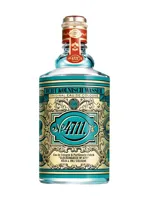 4711 Original |
Citrus and herbs | Short | Summer |
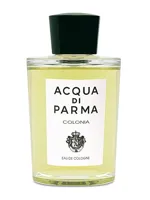 Acqua di Parma Colonia |
Citrus over lavender and rose | Short | Spring and summer |
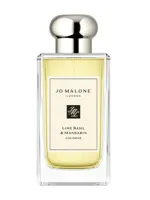 Jo Malone London Lime Basil & Mandarin |
Citrus and basil | Short | Spring and summer |
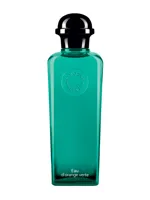 Hermès Eau d'Orange Verte |
Green citrus and mint | Short | Spring and summer |
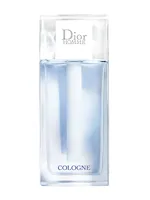 Dior Homme Cologne |
Bergamot and musk | Short | Summer |
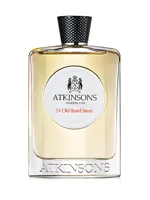 Atkinsons 24 Old Bond Street |
Juniper, rose and whisky | Moderate | Spring |
Choose Acqua di Parma Colonia if you want the classic: the verdict calls it the gold standard for freshness. Skip any of the short ones if you want a scent that lasts a working day without a top-up. The Atkinsons is the exception in the table, with moderate staying power and a verdict that praises its decent endurance for an Eau de Cologne.
In America, "cologne" means a man's fragrance
Wikipedia puts it plainly: in contemporary American English, "cologne" has become a generic term for perfumes marketed toward men. An Eau de Toilette, an Eau de Parfum, even a Parfum, all get called "my cologne". That is the source of most "cologne vs perfume" searches, and the word alone does not tell you the strength.
Chanel shows the gap well because it sells Allure Homme Sport as a Cologne, an Eau de Toilette and an Eau de Parfum. Allure Homme Sport Cologne is the genuine Eau de Cologne, with moderate staying power and short reach in our profile. The Eau de Toilette raises reach to moderate, and the Eau Extrême Eau de Parfum raises staying power to long. All three are by Jacques Polge and open with citrus. An American shopper calling any of them "my cologne" is right by US habit and loose by the strict meaning, both at once.
Two more men's bottles show how far the loose usage stretches. Dior Sauvage Eau de Toilette and Bleu de Chanel Eau de Parfum are the kind of bottle an American shopper would call a cologne, yet our profiles rate both as long-lasting, a step up from the typical Eau de Cologne.
Aftershave is a different product
Aftershave is sold by the same houses, often in the same scent, so it gets mixed up with cologne. Wikipedia describes it as a product applied after shaving: traditionally an alcohol-based splash, but also a lotion, gel or balm, often with an antiseptic such as witch hazel or denatured alcohol. It adds that aftershave is sometimes wrongly called Eau de Cologne, and that some makers encourage using their fragranced aftershave as a cologne. So the line blurs in practice. The difference is purpose. An aftershave is made for the skin after a shave, with scent as an extra, while a fragrance strength is made to be worn for its scent. Check the label for which one you are buying.
"Fragrance" is the umbrella word
"Fragrance" covers Eau de Cologne, Eau de Toilette, Eau de Parfum, Parfum and Extrait alike. Brands use it when they do not want to name a strength or a gender. A listing that says "fragrance" tells you nothing about strength, so open the perfume page and read the concentration.
How to choose
- For hot days: a true Eau de Cologne such as Hermès Eau d'Orange Verte or Dior Homme Cologne, both rated strongly summery with short staying power.
- For a full working day: an Eau de Parfum, such as Bleu de Chanel Eau de Parfum, which our profile rates long-lasting and well suited to the office.
- For something in between: an Eau de Toilette such as Allure Homme Sport, with moderate staying power, rated best in spring and summer.
- For a refined classic: Atkinsons 24 Old Bond Street, which the verdict calls a proper British affair, or Acqua di Parma Colonia, which it calls the gold standard for freshness.
- Whatever you buy: ignore the word on the box and read the strength on the perfume page.
Cologne vs perfume questions
What is perfume for men called?
In American English it is usually called cologne. On the bottle it usually says Eau de Toilette or Eau de Parfum: 88% of the masculine perfumes in our catalogue carry one of those two strengths.
Is cologne weaker than perfume?
By the strict definition, yes. Eau de Cologne is commonly quoted at 2-3% oil against 15-20% for Eau de Parfum, and our profiles rate far fewer Eau de Cologne perfumes as long-lasting (5% against 28%). If "cologne" is the American word for a men's Eau de Toilette or Eau de Parfum, it is not automatically weaker at all.
What are the four levels of perfume?
The four mainstream strengths are Eau de Cologne, Eau de Toilette, Eau de Parfum and Parfum, with Extrait de Parfum in the same quoted band as Parfum. Our guide to Eau de Parfum vs Eau de Toilette walks through the ladder.
What does the word perfume mean?
It comes from the Latin perfumare, "to smoke through". In everyday use it means any fragrance. In the trade it often means the most concentrated strength, Parfum or Extrait.
Is aftershave the same as cologne?
No. Aftershave is a post-shave product for the skin. Wikipedia notes that people sometimes call it Eau de Cologne by mistake because the two are so alike.
Why do Americans call everything cologne?
It became the generic word for men's fragrance in the US, whatever strength is in the bottle. It is a naming habit, not a measure of strength.
Where these figures come from
The oil bands are the commonly quoted ranges from the Wikipedia articles on perfume and Eau de Cologne, and sources differ. Everything else is read from our own catalogue on 27 October 2026, as explained in our methodology. For more on notes, see Perfume Notes Explained.