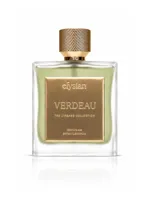
Verdeau
Extrait · 2024
Elysian Parfum
Statement
Note profile
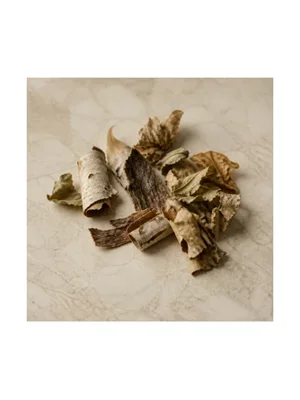
Aspen is a pale wood note with the weight taken out. One trade glossary describes it as papery and skeletal, a wood defined by what it does not have: no resin, no smoke, no cream. It is a synthetic accord, not an extract, and it is used to make other woods feel thinner and colder.
Aspen smells of pale, papery wood with none of the balsamic weight of a richer bark. A cold, wet-bark greenness runs through it, almost transparent, like stone or high mountain air rather than plant matter. A soft white musk sits close to the skin underneath, giving it a clean softness. A faint medicinal trace and a touch of damp bark come through as well.
Read off the wheel, not a label applied to the note.
Tap a perfume to see where Aspen sits in it. The rest of the picture goes grey

No essential oil, absolute or CO2 extract of Populus tremuloides is sold for fine fragrance. Bark extracts of the tree exist (CAS 90083-05-9) but are made for cosmetics, where salicin acts as a preservative, not for their odour. The perfumery note is built. Première Peau names the usual parts: cis-3-hexenol for cut-stem green, a trace of salicylaldehyde for medicinal bark, Iso E Super at low dose for woody radiance, and white musks to hold it against skin. Aspen is not poplar bud absolute (Populus nigra), which is a real material and smells balsamic, honeyed and leathery. Première Peau calls that one the olfactive opposite.
A heart-register modifier. It lightens heavy woody bases and puts cold air into a composition, working as contrast against sandalwood, oud and other dense materials rather than as a subject in its own right. Fragrantica records 3 placements. Parfumo records none.
A selection of reviewed perfumes where Aspen appears prominently.
Get the verdict in your inbox
New finds, honest verdicts, and price drops.
No spam. Unsubscribe anytime. See our privacy policy.
Are you sure?