



Jean-Claude Ellena
France · 59 perfumes
Perfumer
French luxury house renowned for refined, understated fragrances emphasizing natural ingredients and elegant minimalism.
All 134 Hermès perfumes on ScentVerdict have a verdict. 74 are Favourites, 49 are Statements and 11 are Acquired. A typical one lasts about 4 to 6 hours on skin. Each verdict sorts a perfume by character, using the same measures for every house, whatever it costs or who makes it.
Hermès is a French design house whose perfume catalogue sits alongside leather goods, silk, clothing and objects. Its fragrance work draws on the same interest in materials, making and imaginative themes that runs through the wider house.
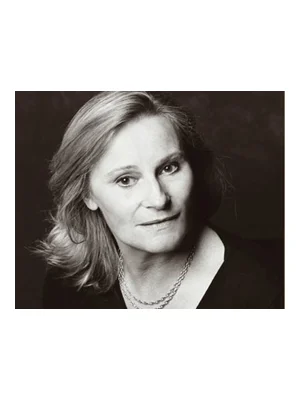
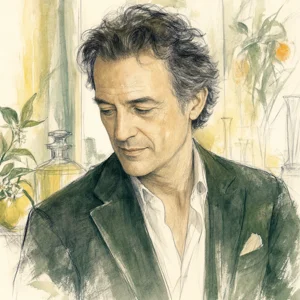
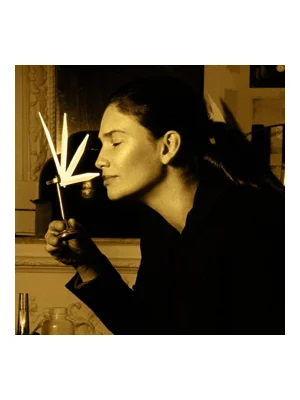
Thierry Hermès opened a harness-making workshop in Paris in 1837. The business grew through successive generations, moving from saddlery into leather goods and then into other fields of design. Fragrance joined the house in the 1930s; Eau d’Hermès, composed by Edmond Roudnitska, marked perfume as a distinct métier in 1951. Jean-Claude Ellena became the house’s exclusive perfumer in 2004, and Christine Nagel joined as perfumer-designer in 2014. Hermès describes itself as an independent, family-owned French house.
The perfume range has several distinct voices. Hermessence gives unusual materials a spare, direct treatment. The Jardins and Colognes build around landscapes, ingredients and short sensory impressions. Terre d’Hermès and the house’s other signature lines use woods, citrus, mineral notes and spices in more expansive compositions. Rather than repeating one signature accord, the catalogue returns to natural materials and clear structures across different collections.
That breadth places Hermès among the major designer perfume houses while retaining a strong focus on craft and authorship. Its range includes fresh colognes, garden-inspired scents, woods and spices, and more concentrated interpretations. The result is a catalogue with several entry points, from bright citrus compositions to darker, more textured blends.
A designer, luxury house known for fresh compositions.
Hermès' early fragrances, such as Eau d’Hermès and Calèche, leaned into classic French perfumery with a focus on leather and aldehydic florals. From the 2000s, under Jean-Claude Ellena, the brand shifted to transparent, minimalist, and nature-inspired scents, emphasizing freshness and subtlety. Recent years, under Christine Nagel, have introduced slightly denser, woodier, and sometimes more experimental directions, but the overall DNA remains refined and understated.
Hermès offers quietly luxurious, subtle fragrances built on natural ingredients and expert blending. Not for those seeking power or sweetness, but a benchmark for refined minimalism and fresh, elegant daily wear.
France · 59 perfumes

Switzerland · 35 perfumes

Germany · 5 perfumes

France · 4 perfumes

Japan · 3 perfumes

France · 3 perfumes

France · 3 perfumes

France · 3 perfumes
Favourite - An approachable, versatile choice for everyday wear · Statement - A deliberate choice for its distinctive character, noticeable presence or particular setting · Acquired - A specialist choice whose character or wearing demands reward knowing your taste
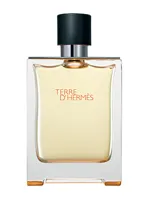
EDT
Hermès
Also Parfum
EDP
Hermès
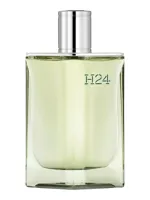
EDP
Hermès
Also EDT
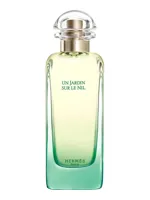
EDT
Hermès
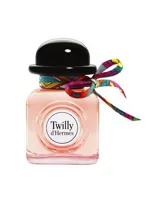
EDP
Hermès
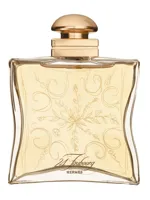
EDT
Hermès
Also EDP, Extrait
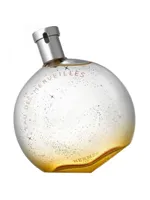
EDT
Hermès
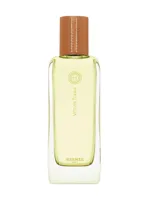
EDT
Hermès
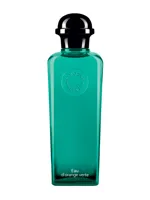
EDC
Hermès
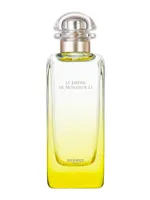
EDT
Hermès
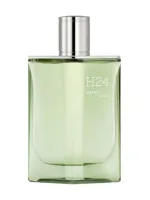
EDP
Hermès
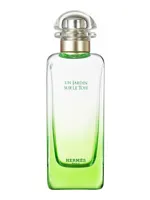
EDT
Hermès
Get the verdict in your inbox
New finds, honest verdicts, and price drops.
No spam. Unsubscribe anytime. See our privacy policy.
Are you sure?