
ScentArt: see what your perfume smells like
ScentArt paints a perfume's notes and character into a picture, so you can see at a glance what it is like.
In this guide
What is ScentArt?
ScentArt is a picture painted from how a perfume smells. It uses the perfume's notes and its overall character, so you can see at a glance whether it is warm and cosy, fresh and sharp or soft and floral. It is a portrait of the character, not a recipe: you cannot read the exact ingredients from it.
A computer program draws every picture from the perfume's real note list, not an AI image model's guess at a smell. So the same perfume always makes the same picture.
How do I read a ScentArt picture?
Today's pictures are painted. Four things carry the meaning.
Colour tells you the notes
Every note has its own colour, and the perfume is painted in the colours of the notes it is built from. The bolder a note is in the perfume, the more of the picture it takes. Lemon is a bright yellow, lavender a purple, mint a green.
Cool colours tell you the character
The perfume's character adds contrast. A fresh perfume reaches for turquoise and a woody one for deep blue and indigo. The darkest parts are always a deep colour, never plain black.
The marks tell you how each note feels
The picture has layers. Soft, watery washes of colour go down first, bleeding into one another. Flat, hard-edged strokes, like paint spread with a knife, sit on top. A soft note tends to be a wash and a sharp or resinous one a hard stroke. Fine texture such as grain, dust or tiny shards shows each note's own character.
Movement shows the wear
The picture opens still. Press Animated in the full-screen view and it plays the wear once, over about thirty seconds. Each note arrives as a puff of its colour, settles in while it is on the skin and fades away, so the light top notes are gone long before the base.
Start with the colour, then look at the marks. Say what you see as you would describe a smell to a friend: warm and cosy with a citrus opening, or cool and woody. Do not try to name every note.
The colours come from the notes
Here are a few familiar notes: the real ingredient, and the colour it lends to every ScentArt it appears in.
-
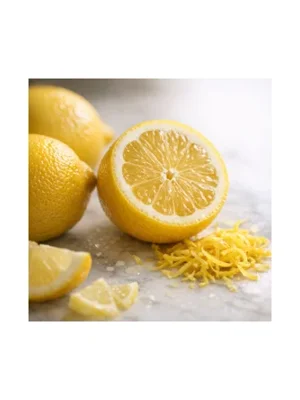 Lemon
citrus
-
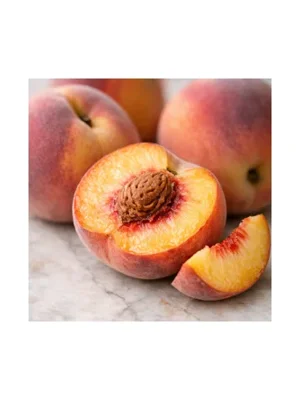 Peach
fruity
-
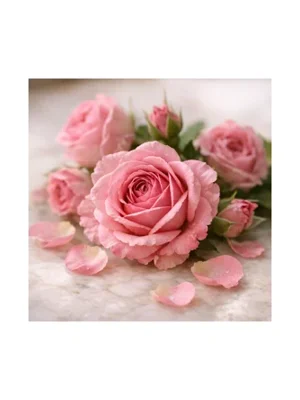 Rose
floral
-
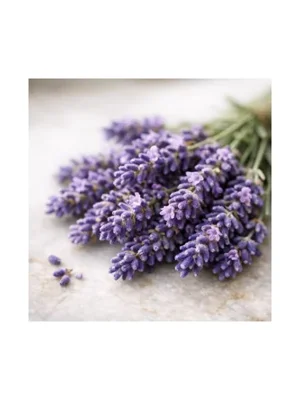 Lavender
herbal
-
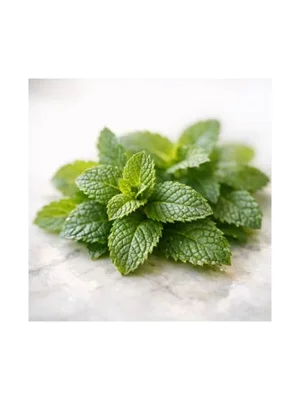 Mint
herbal
-
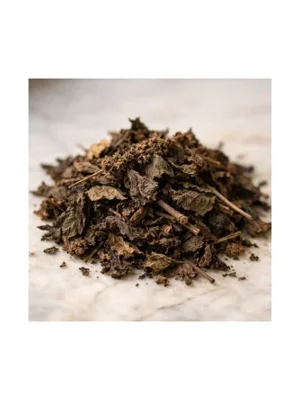 Patchouli
earthy
How has ScentArt been made, and what inspired it?
We have redrawn ScentArt several times since March 2026. Each style used the same facts about the perfume. What changed was how those facts became a picture. Here they are in order, ending with today's.
March 2026: a finished picture drawn in advance
The first ScentArt was an image our server drew ahead of time and showed as a fixed file, like a printed card. It was inspired by the plain idea of one picture per perfume. It looked fine at one size and went soft on large screens, and any change meant redrawing every perfume.
March 2026: drifting dots
The next style was inspired by watching a scent evaporate. Every note became a dot that drifted across the screen leaving a trail of its colour. Light top notes darted across and vanished, and heavy base notes crawled. It moved, but there was no single frame to put on a perfume page.
March 2026: ink in water
Then came a moving swirl of coloured ink in water, based on the way real liquids flow. It is beautiful, and you can still watch it. But, like the dots, it is always moving, so it cannot be a still picture for a page or a share card.
June 2026: layered patterns
For the first still picture cheap enough to put on every perfume page, we layered soft patterns, like light through patterned glass, bent by the perfume's overall character. It carried the site for nearly three months. Its weakness was that it showed only a rough summary, so two broadly woody and sweet perfumes looked alike.
June 2026: fractal flames
Fractal flames are a mathematical way of drawing glowing, feathery light. We tried them because they make striking images. They were slow to finish and hard to steer towards one particular perfume, so they never became the main style.
August 2026: real materials
This style was inspired by the way a resin, a flower and a wood feel different to touch. Each scent quality was matched to a scanned real surface, so a resinous perfume and a green one looked made of different stuff, not just a different colour. It ran on every perfume page until November, but it was slow to draw.
September 2026: the spray
Here you watched a perfume sprayed and worn. A burst landed on the skin, and each note lifted off for as long as it really lasts. Light notes climbed and were gone within the hour, and long-lasting ones settled and stayed. It was inspired by what happens in the first minutes after you put a perfume on.
2026: four quick experiments
We also built four smaller experiments, still in the style menu. One is ink spreading through water. One separates a perfume into bands, the way a lab separates the colours in ink on a strip of paper. One uses flat blocks of colour, sized by how much of each quality the perfume has. One copies the way chemistry makes patterns on a shell or an animal's coat.
November 2026: Modern Paint, today's ScentArt
Every perfume page now uses Modern Paint. It borrows from two ways of painting: the soft, bleeding washes of watercolour, and the flat, hard-edged strokes of paint spread with a palette knife. A faint paper texture sits under both. It is drawn stroke by stroke, the way a painter builds a picture up, so it is quick to draw and works on ordinary devices. Each note is painted in its own colour, by its share of the perfume, and its kind decides how it is handled, so a citrus note does not go on like a resin. Its moving version plays the same painting through the wear.
Every earlier style is still on the site, in the style menu of the full-screen view, so you can compare them. For the engineering story of what each one drew and why we replaced it, read the history of ScentArt.
What does the gallery show?
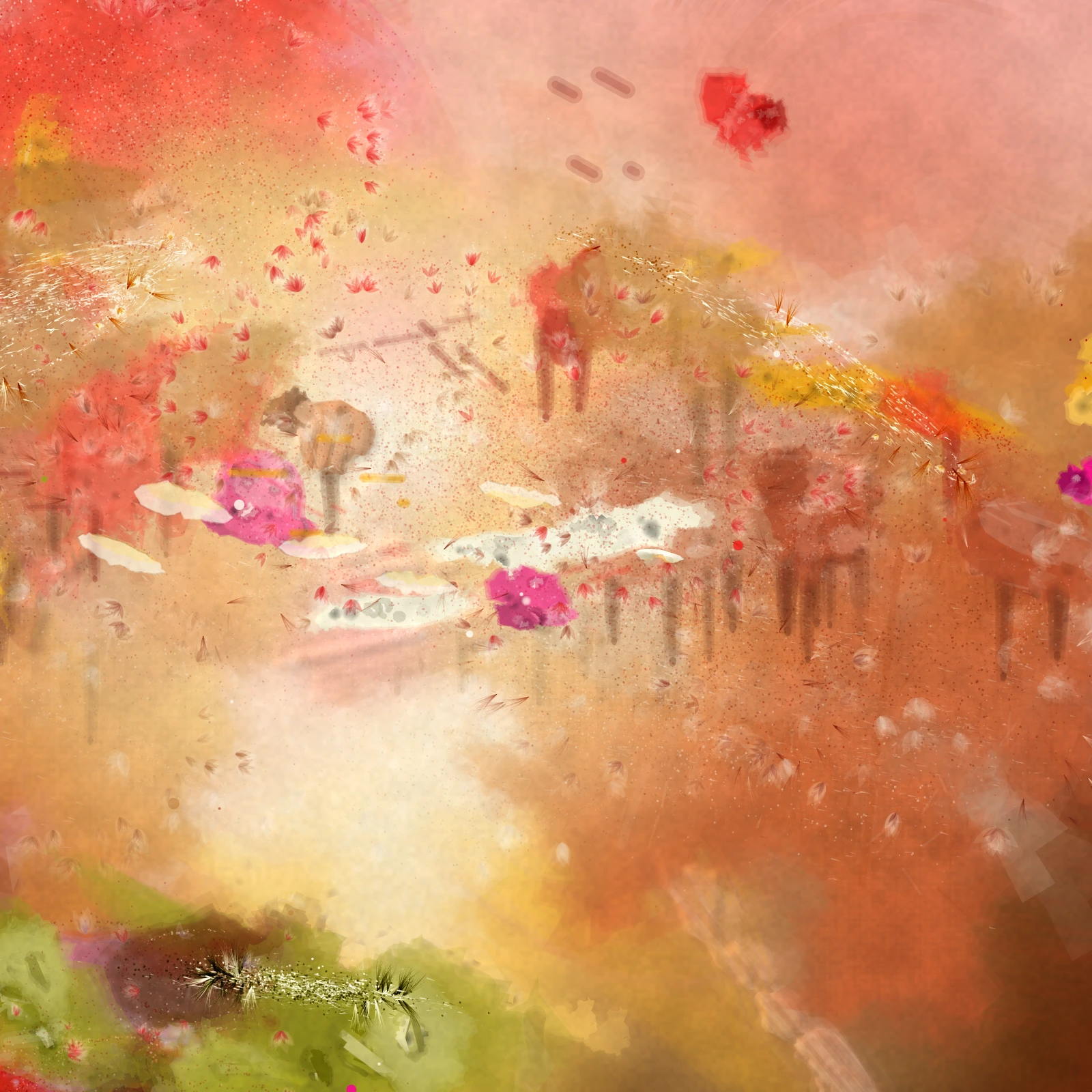
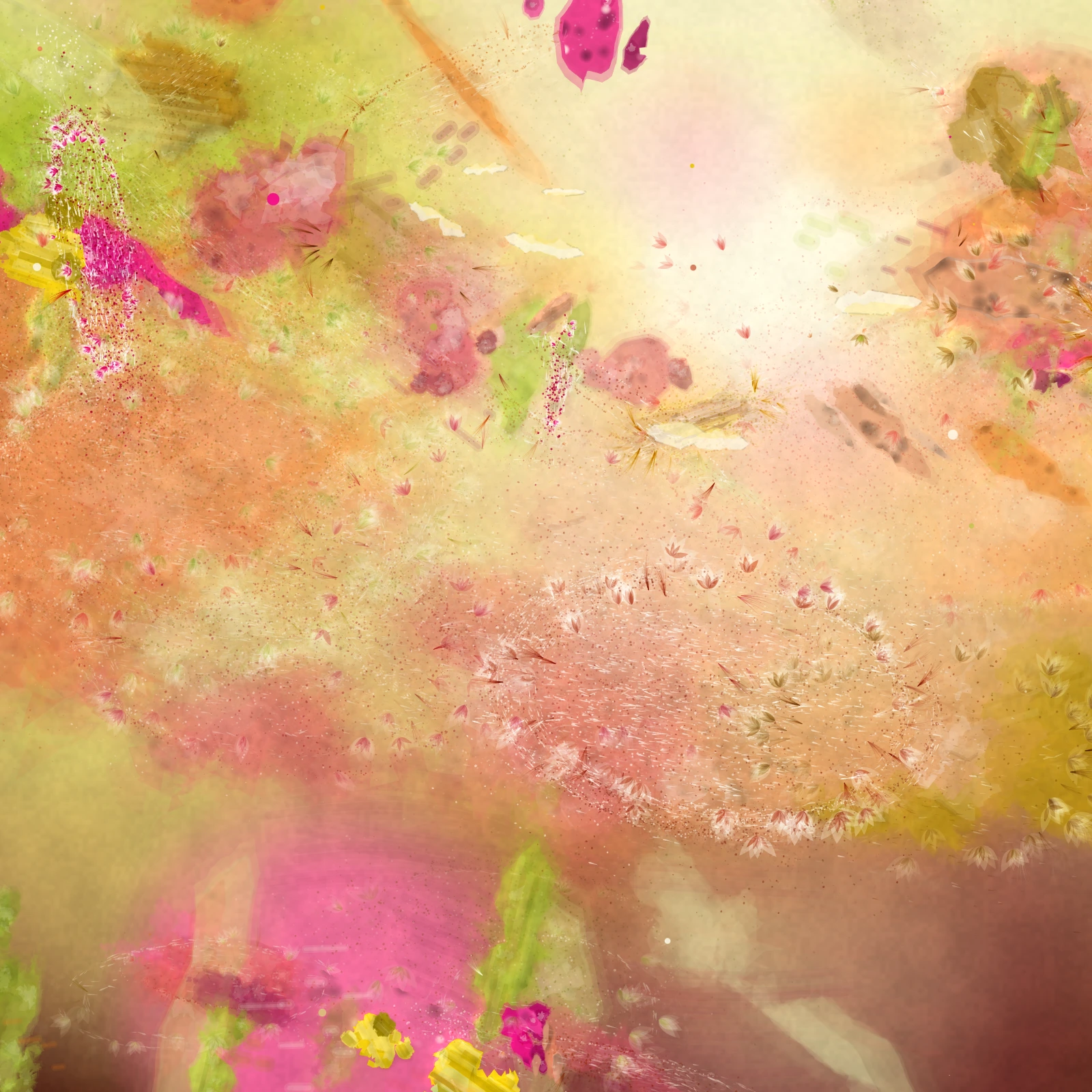
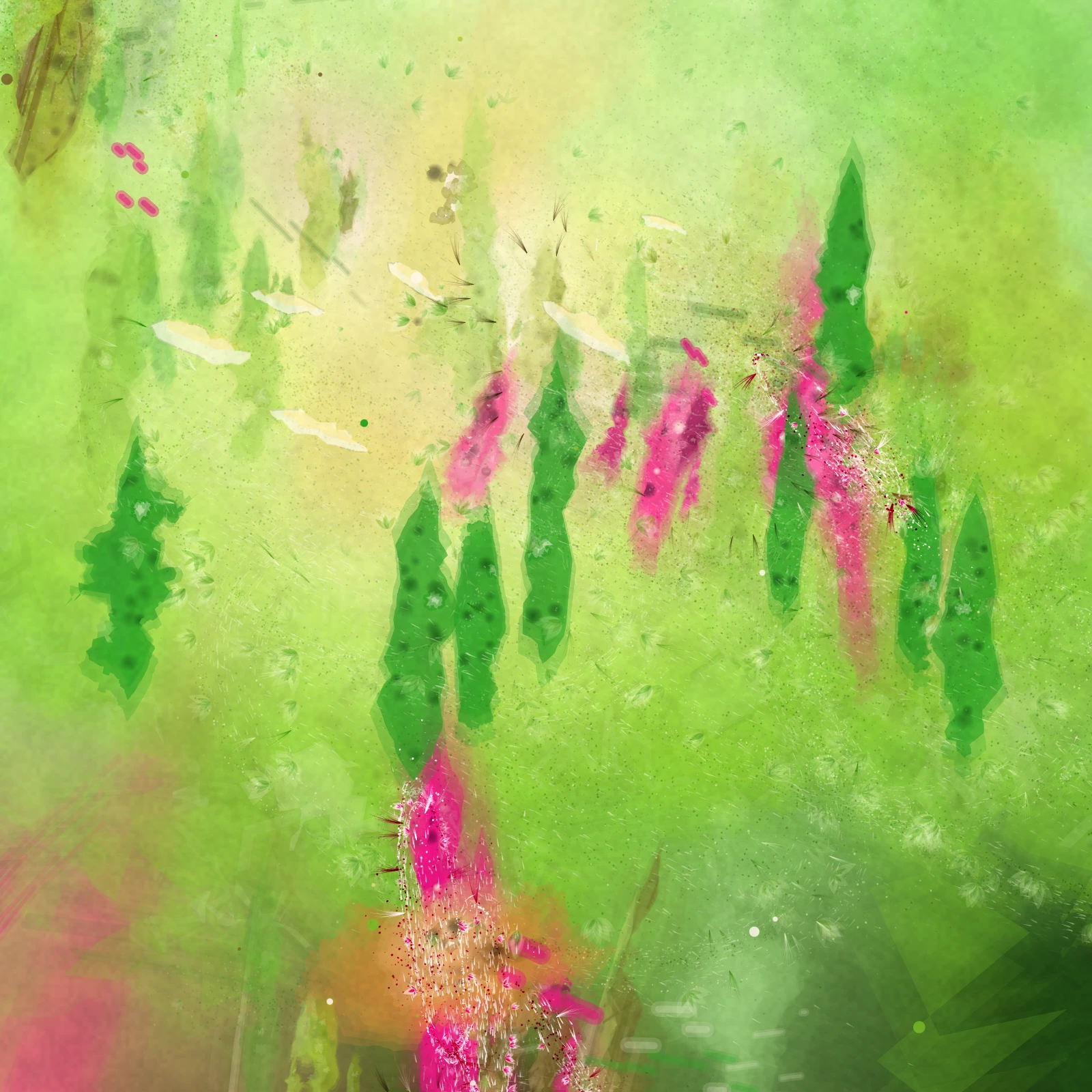
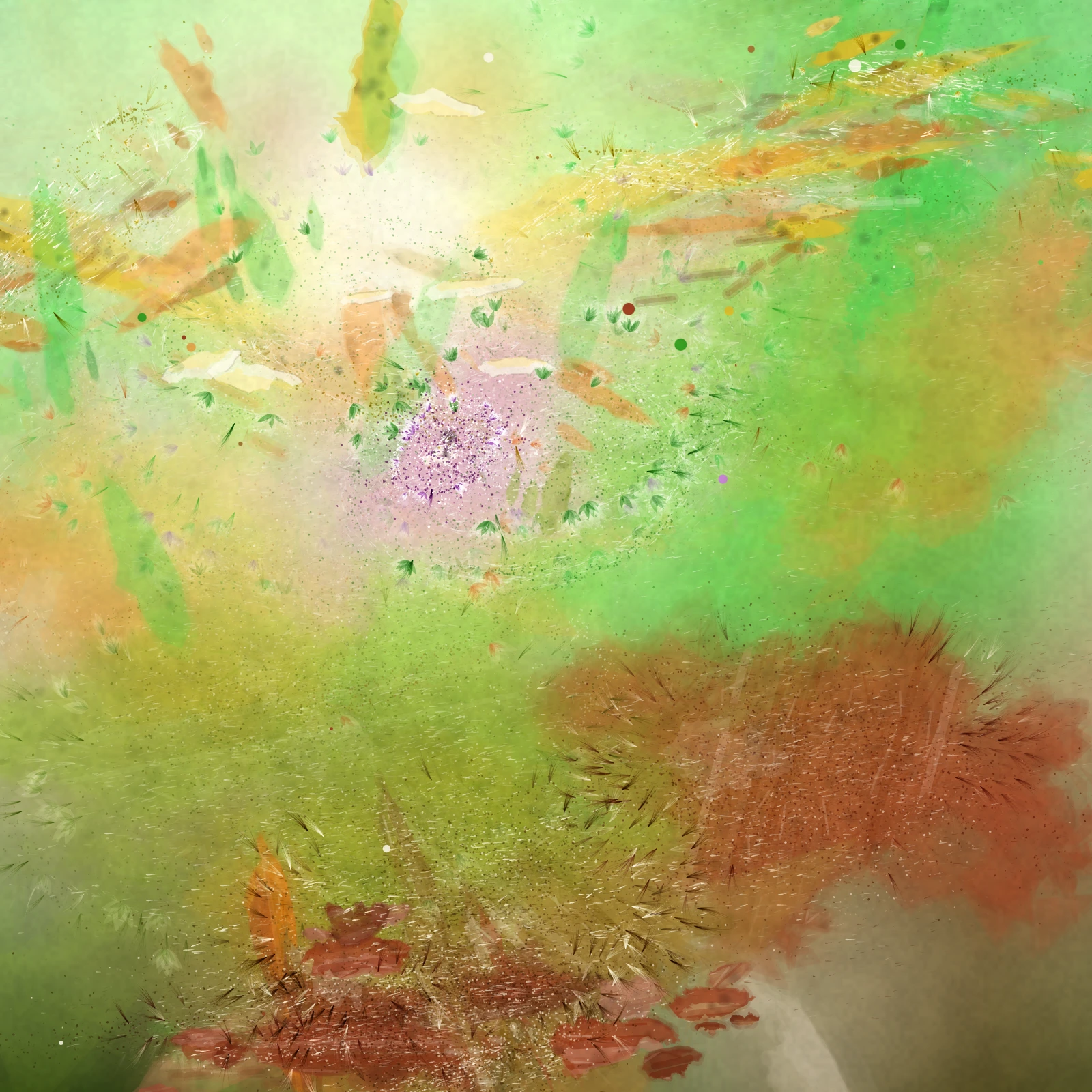
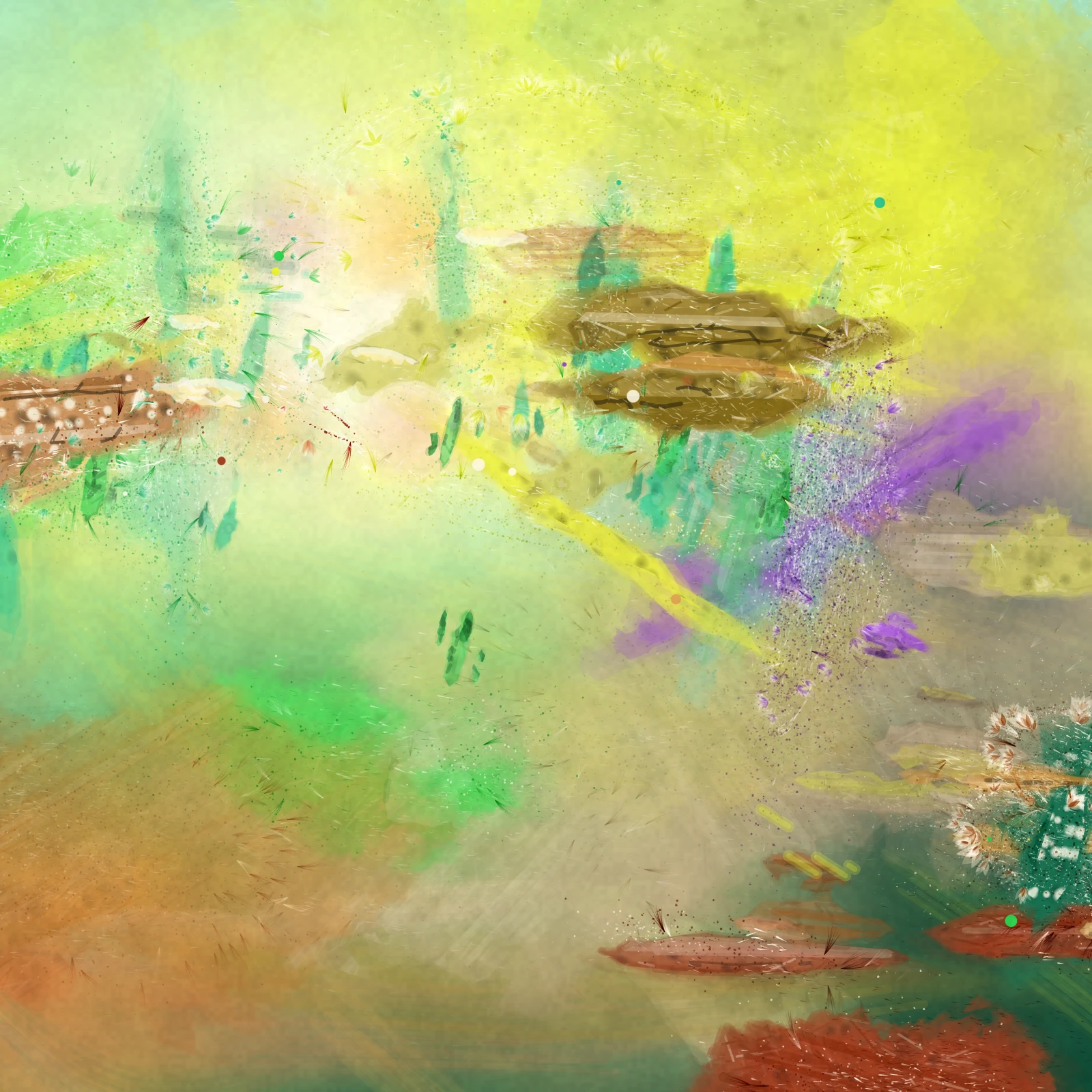
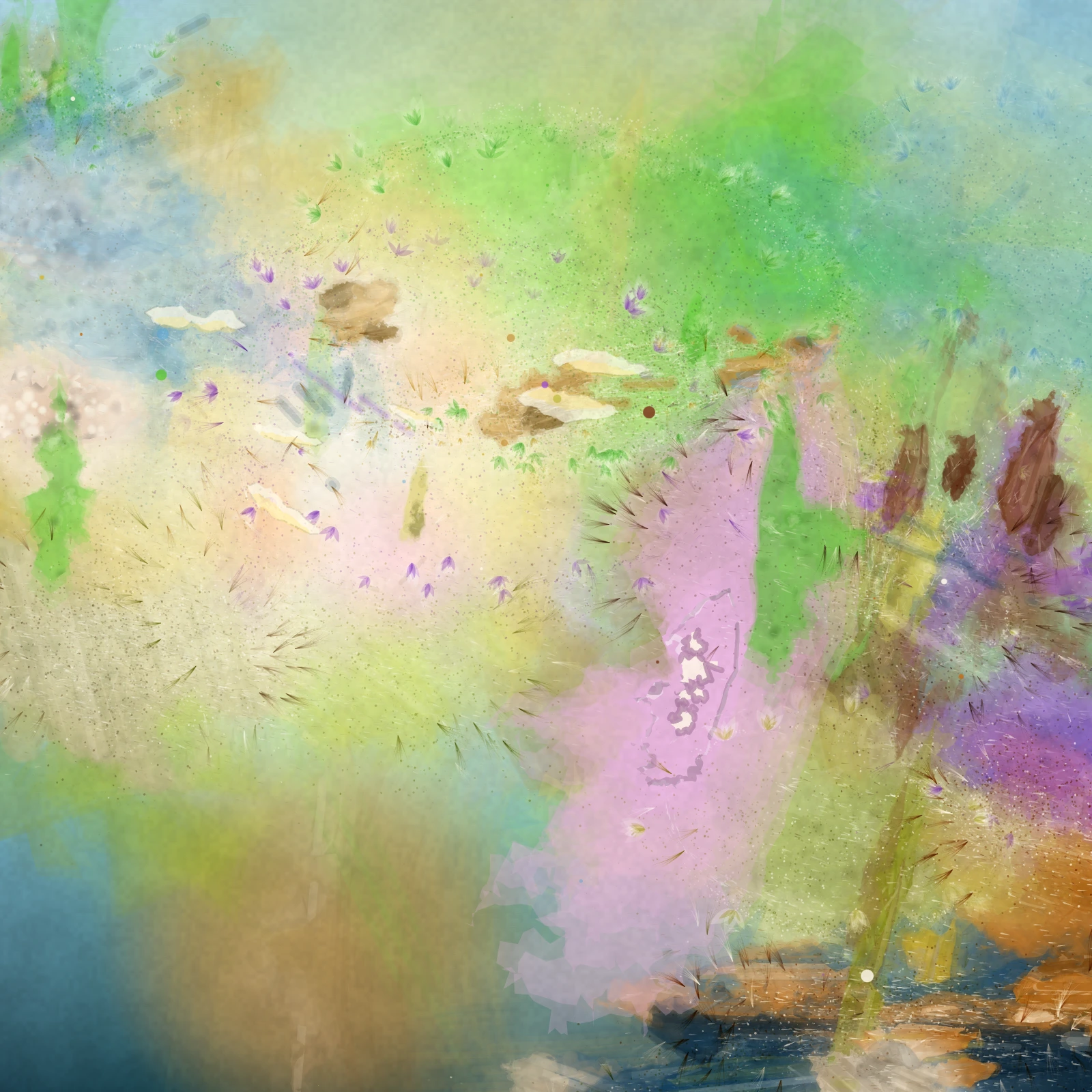
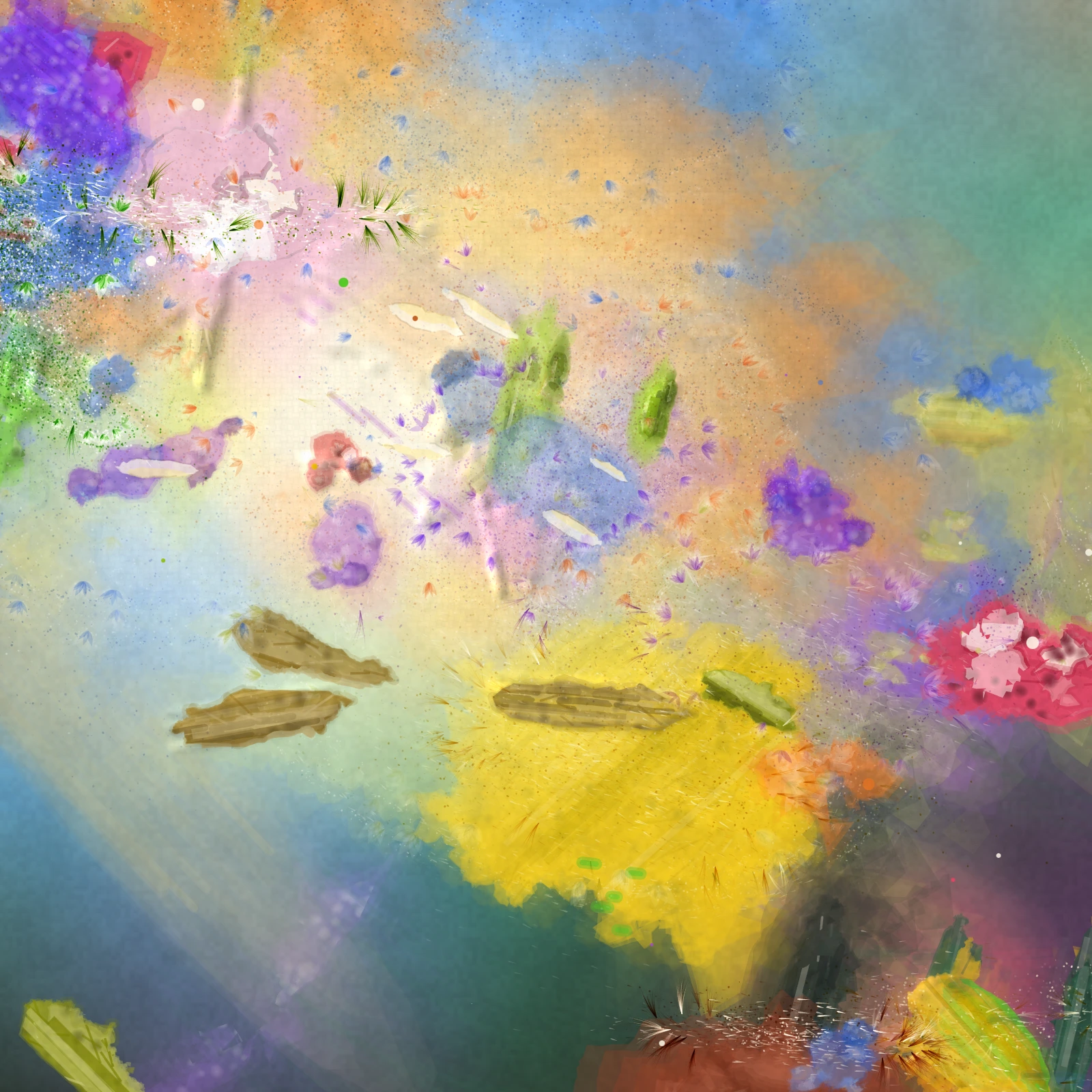
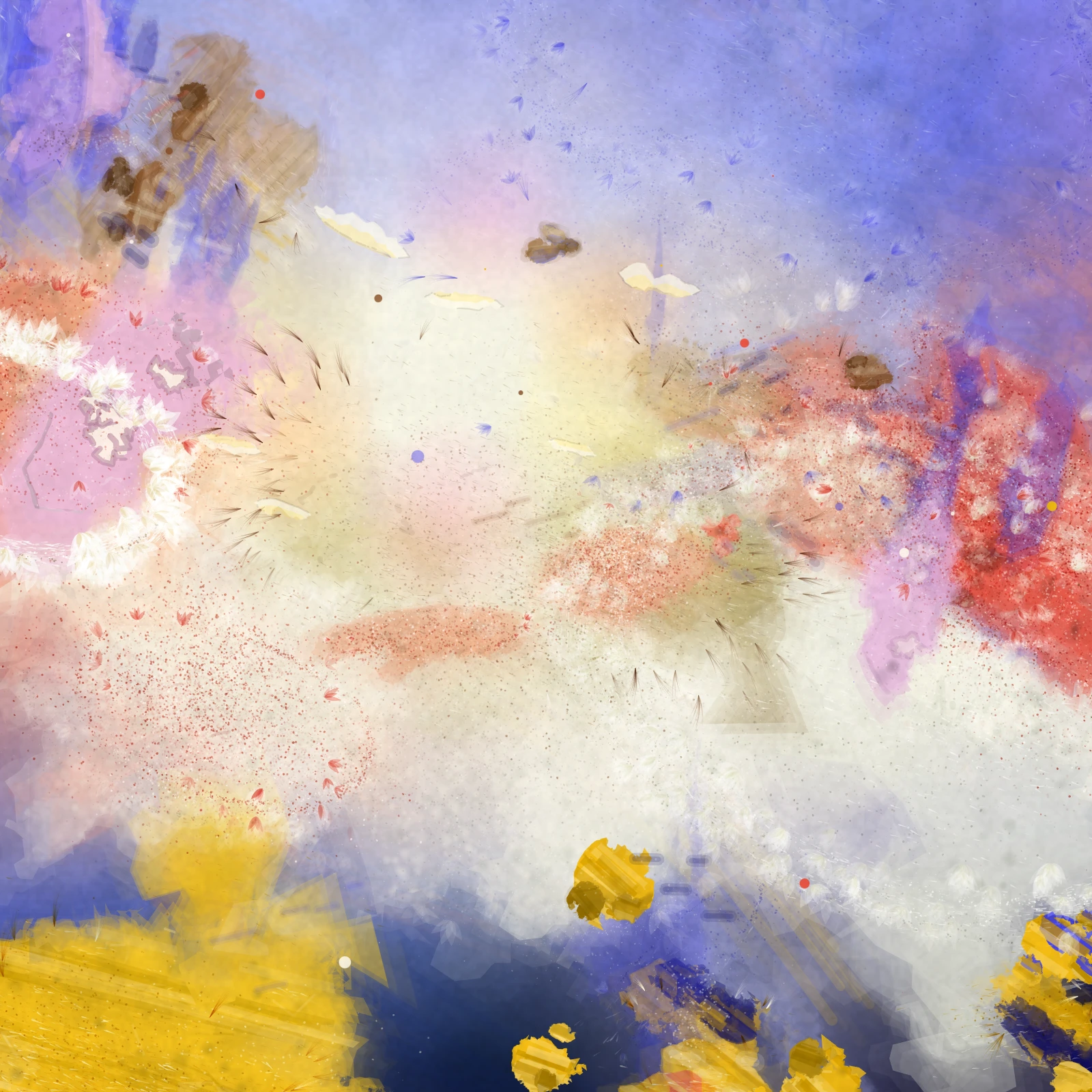
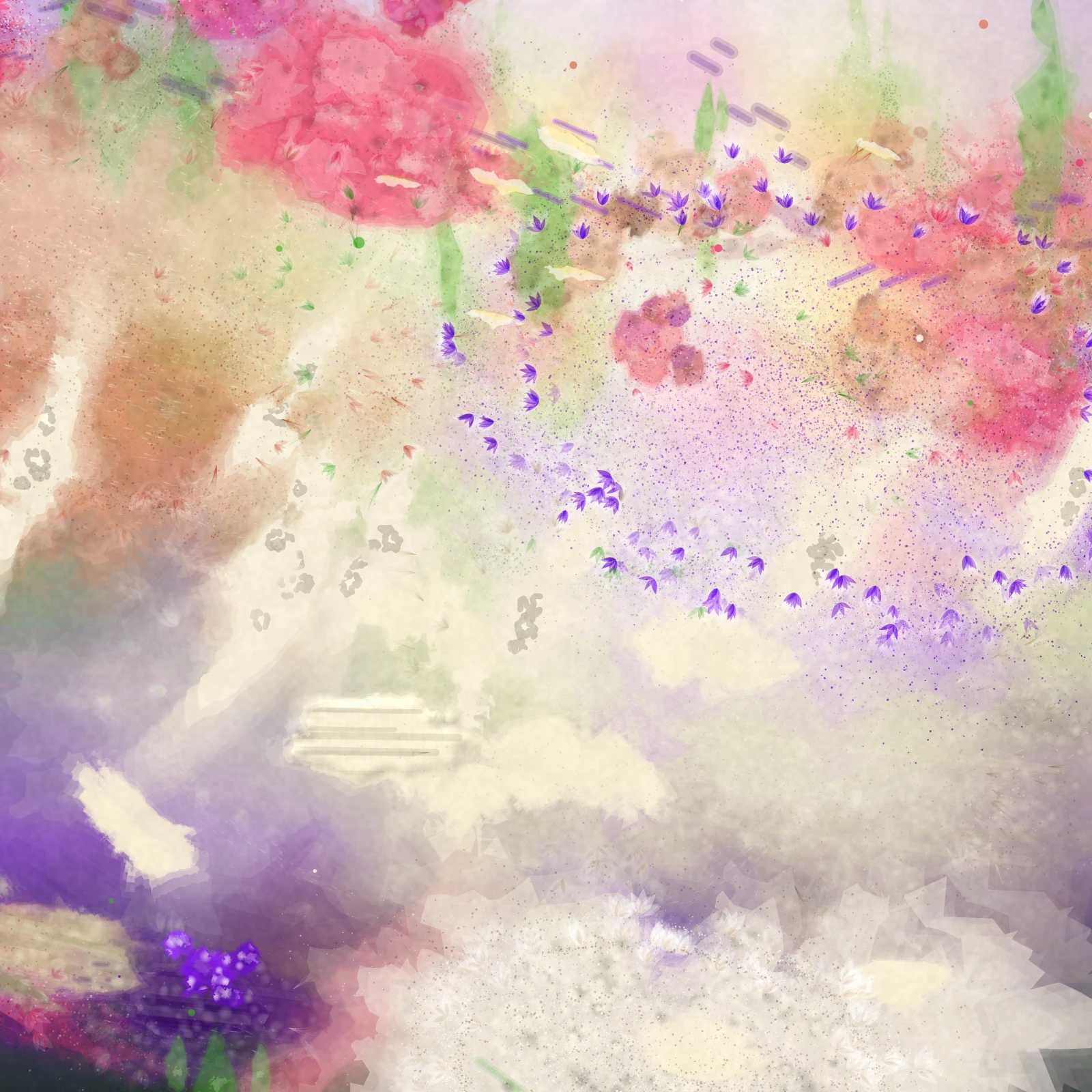
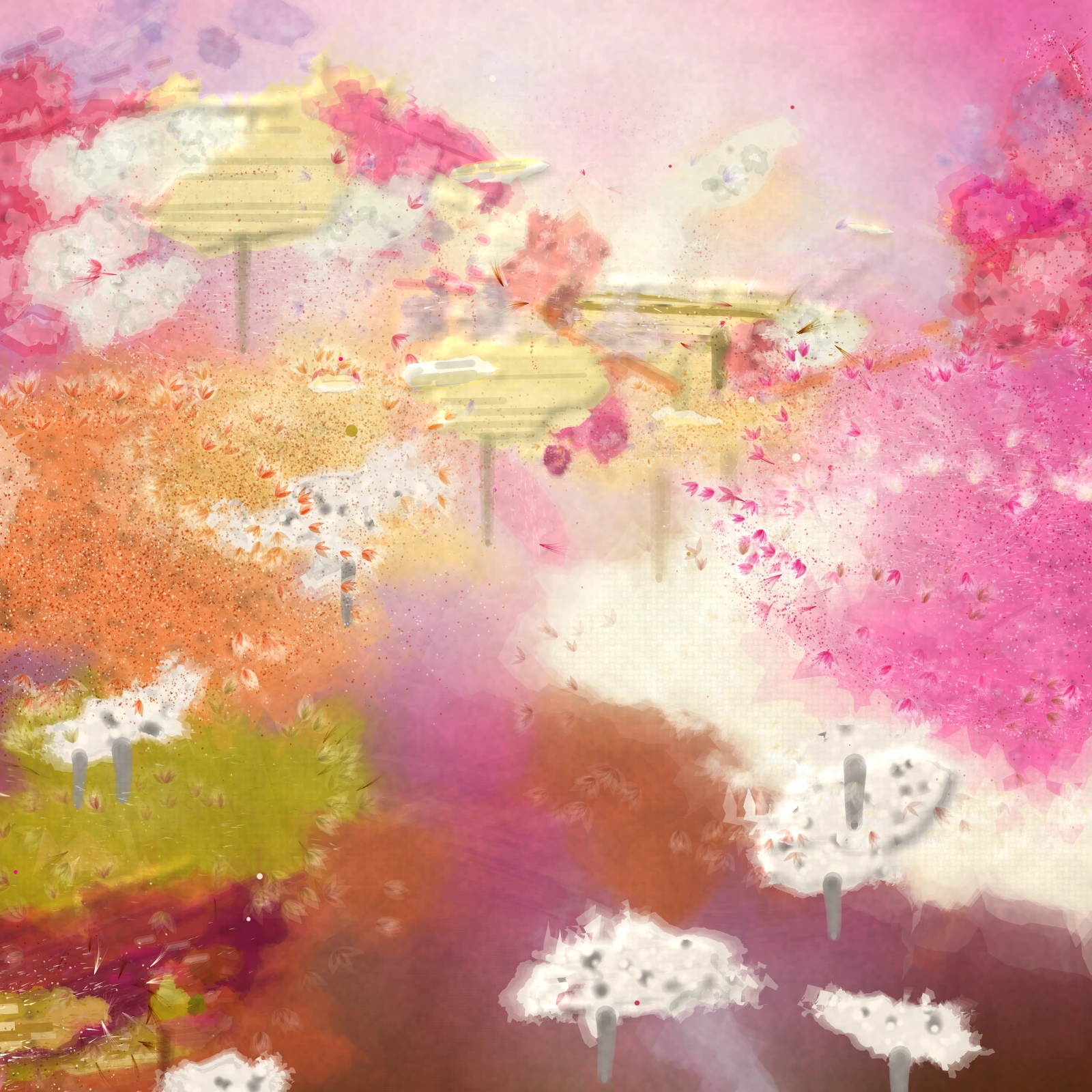
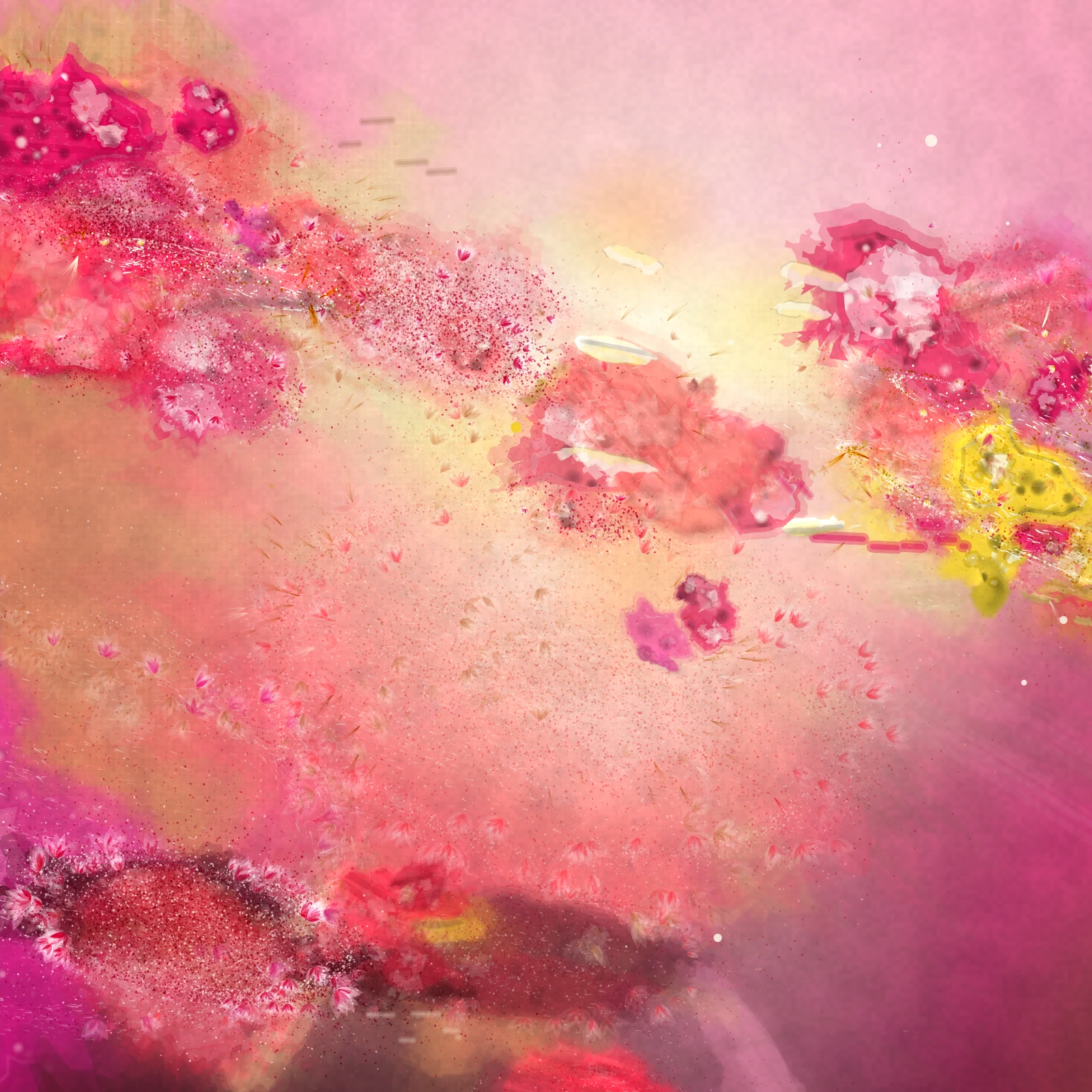
Twelve perfumes, one from each band of the colour wheel, so you see the full range of colours ScentArt makes. Each is the most vividly coloured one in its band. Select any picture to open it full screen.
Where can I see ScentArt?
Every published perfume on ScentVerdict has its own ScentArt, and you can find it in three places.
- On a perfume page, in the Scent Profile section. Open it full screen to switch between the still and the animated wear.
- On a compare page, which puts two perfumes side by side so you can see how their pictures differ.
- In the ScentVerdict app, on perfume, compare and dupes screens.
Common questions
Can I tell what a perfume smells like from its picture?
You can tell its character, not its ingredients. The colours and marks show whether it is warm and cosy, fresh and sharp or soft and floral, which is how people describe a perfume to each other. You cannot tell two similar scents apart, or whether a brown is coffee or chocolate.
Is ScentArt made by AI?
No. A computer program draws it from the perfume's real notes and how much of each there is. No image model is asked to imagine a smell, so the same perfume always makes the same picture.
What do the colours mean?
Each colour belongs to a note. Lemon is bright yellow, lavender purple and mint green, and a perfume is painted in the colours of its own notes, with more space for the boldest. Cool blues and turquoise come from its character, such as fresh or woody. Two perfumes rarely look the same because each blends its own notes.
Does the picture change over time?
The picture itself does not: it is fixed for each perfume. You can play it as a short animation, about thirty seconds long, that shows the notes arriving and fading as the perfume wears. The light top notes are gone long before the base.
Can I see ScentArt for any perfume?
Yes, for every published perfume. Open any perfume page and look for the Scent Profile section, or add /scentart to the end of a perfume's address to see it full screen.