Against Idleness and Mischief
Oil
Black Phoenix Alchemy Lab
Statement
Note profile
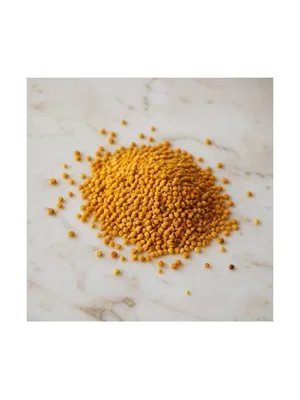
Pollen is dust first. Its defining quality is dustiness, dry and powdery like the air around a field in bloom. Under it sits a mild honeyed sweetness and a hay-like warmth.
Pollen smells of dust first, dry and powdery like the air around a field in bloom. A mild honeyed sweetness sits underneath, not as sweet as honey itself. A hay-like warmth runs through it too, and a light floral lift shows on top.
Read off the wheel, not a label applied to the note.
Tap a perfume to see where Pollen sits in it. The rest of the picture goes grey
Not extracted. Bee pollen is sold as a food and is not a fragrance ingredient. The note is reconstructed from hay through coumarin, powdery-dusty materials and light floral terpenes. The real biological material is a different question: Premiere Peau attributes the generic field-in-bloom smell to linalool, geraniol and carotenoid-derived volatiles over the dry surface of the grain, and Csoka et al. (2025) find fatty acids the predominant volatiles in most bee pollen samples at 14.87 to 50.58 percent, with esters dominant in some. Some species are strongly aromatic, rapeseed and linden among them, and others are close to scentless.
A dusty-sweet accent. The Scent Base says pollen serves as a foundation for sweet, woody, aromatic and citrus accords and files it under molecules, minerals and curiosities. 27 Fragrantica placements, but only 1 Parfumo across 1 brand, so this is a term one vocabulary uses and the other barely does.
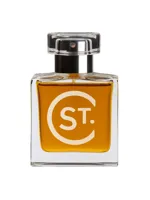
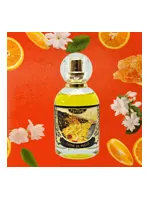
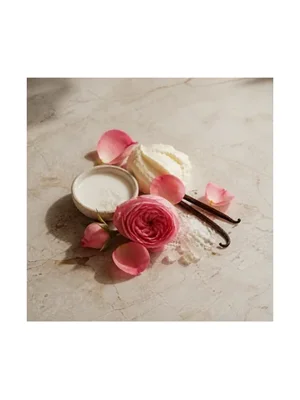
A selection of reviewed perfumes where Pollen appears prominently.
Get the verdict in your inbox
New finds, honest verdicts, and price drops.
No spam. Unsubscribe anytime. See our privacy policy.
Are you sure?