
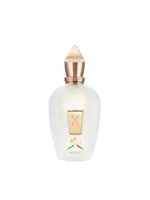
Naxos
EDP · 2015
Xerjoff
Statement
Fragrance allergen
Carvone is a terpene ketone with two mirror-image forms, one smelling of caraway and the other of spearmint. It occurs in caraway, dill and spearmint oils and is used in flavourings, oral care and perfumery. The EU added it to its list of named fragrance allergens in 2023.
HSDB names spearmint, dill and caraway as the most significant natural sources. The (S)-(+) form is found in dill at 30 to 65 per cent and in caraway at 50 to 75 per cent, and spearmint oils usually contain 55 to 75 per cent of the (R)-(-) form. HSDB describes synthetic preparation of both forms from limonene.
The two forms differ. JECFA describes the (+) form as having a caraway-like odour and the l-form as having a spearmint-like odour.
HSDB lists carvone as oil of caraway, for flavouring liqueurs, and in perfumery and soaps. It says the (-) form is produced in much larger quantities and is mainly used in oral hygiene products. Another reference adds use to enhance mint flavours.
Named on 4% of the 6,994 perfume ingredient lists we hold (259 perfumes).
SCCS/1459/11 (2012) lists carvone among established contact allergens in humans, in its lowest band (up to 10 reported positive test reactions), marked as rarely tested. IFRA's index lists a Restriction standard for it, published in 2020. Regulation (EU) 2023/1545 added it to the labelled list. One industry source says Great Britain has not adopted the expansion.
A list that does not name it does not prove it is absent: brands only have to name it above the threshold.
Share of the perfumes we hold a list for, in each concentration.
Share of the lists naming Carvone that also name each of these.
EDP · 2015
Xerjoff
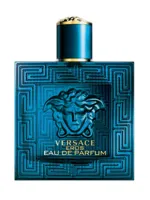
EDP · 2020
Versace
Also EDT, Parfum
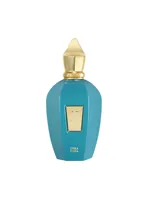
EDP · 2019
Xerjoff
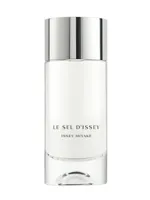
EDT · 2024
Issey Miyake
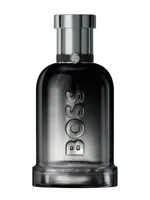
EDP · 2025
Hugo Boss
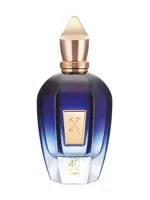
EDP · 2012
Xerjoff
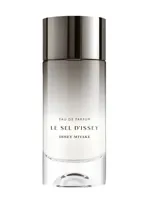
EDP · 2025
Issey Miyake
Also Parfum
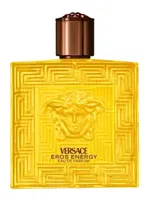
EDP · 2024
Versace
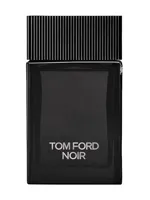
EDP · 2012
Tom Ford
Also EDT
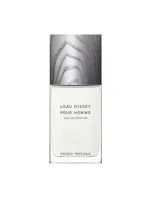
EDP · 2025
Issey Miyake
EDP · 2014
Bvlgari
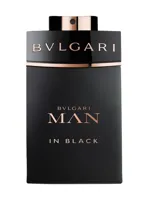
Parfum · 2014
Bvlgari
It depends on the form. JECFA describes the (+) form as caraway-like and the l-form as spearmint-like. Spearmint oils usually contain 55 to 75 per cent of the (R)-(-) form, according to HSDB.
Both. It occurs in spearmint, dill and caraway, and HSDB describes synthetic preparation of both forms, preferably from limonene.
Regulation (EU) 2023/1545 added carvone to the list of fragrance allergens that must be named. It is listed above 0.001% in leave-on or 0.01% in rinse-off products.
Get the verdict in your inbox
New finds, honest verdicts, and price drops.
No spam. Unsubscribe anytime. See our privacy policy.
Are you sure?