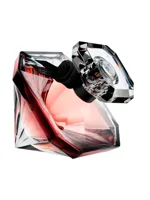
La Nuit Trésor
EDP · 2015
Lancôme
Statement
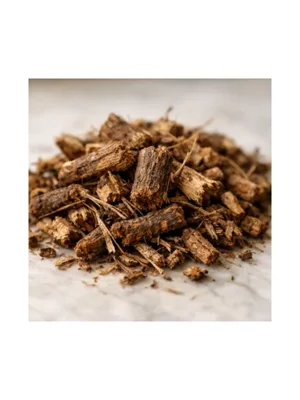
Note profile
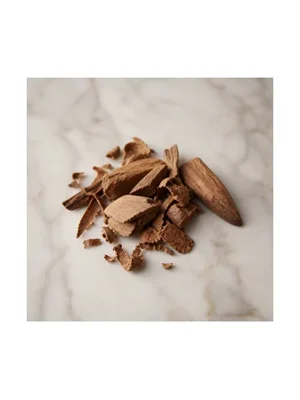
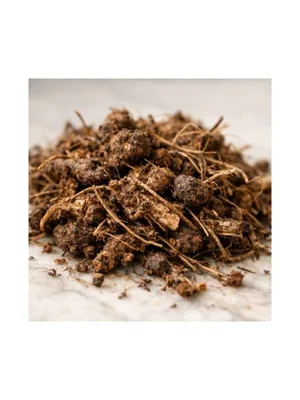
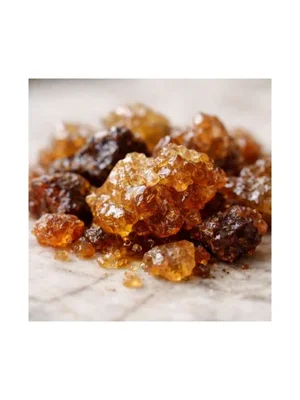
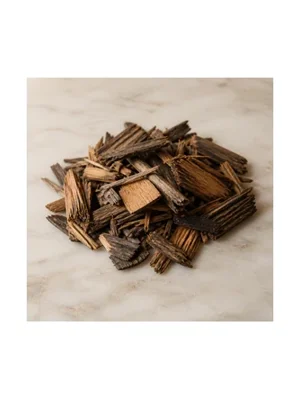
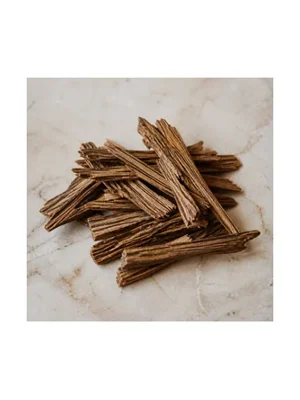
Papyrus is a dry, woody note with earthy, smoky and leathery tones and a spicy edge. Perfumers and glossaries compare it to aged paper or parchment. In most perfumes the material behind the name is cypriol (nagarmotha), the rhizome oil of a related sedge.
Papyrus smells dry, woody and aromatic, like aged parchment crossed with dusty vetiver. It has earthy, smoky and leathery tones and a light peppery edge. It smells nothing like a wet marsh. The rare Egyptian absolute is stranger: salty, mushroom-like and bready, drying down to aged paper and dry wood.
Read off the wheel, not a label applied to the note.
Tap a perfume to see where Papyrus sits in it. The rest of the picture goes grey
Papyrus is Cyperus papyrus, a tall sedge of the Nile Delta and tropical Africa. The oil sold as papyrus oil is steam-distilled from the rhizome of Cyperus scariosus, the source of cypriol. A true Cyperus papyrus absolute is made in Egypt by solvent extraction. Its supplier says it comes from the flowering head. One glossary says the rhizome.
Perfumers use papyrus in the base of a composition for dry woody depth and a paper-like texture. It gives a spicy, earthy lift to vetiver and other woods. It blends with vetiver, cedar, incense, leather and dry musks. It is more common in Indian perfumery.
Perfumers known for using Papyrus include
Jérôme Epinette, Alberto Morillas, Dorothée Piot, Michel Almairac, Anne-Sophie Behaghel, and Christophe Raynaud
A selection of reviewed perfumes where Papyrus appears prominently.
EDP · 2015
Lancôme
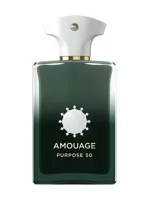
Extrait · 2025
Amouage
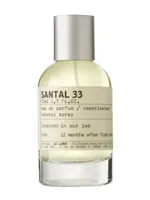
EDP · 2011
Le Labo
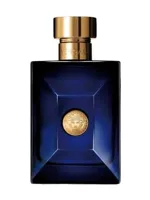
EDT · 2016
Versace
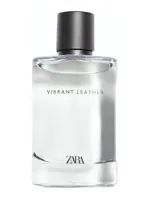
EDP · 2018
Zara
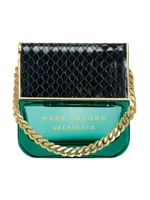
EDP · 2015
Marc Jacobs
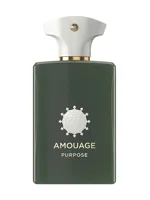
EDP · 2023
Amouage
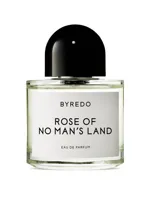
EDP · 2015
Byredo
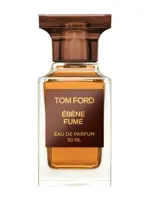
EDP · 2021
Tom Ford
Also Body Spray
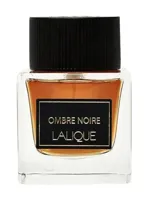
EDP · 2017
Lalique
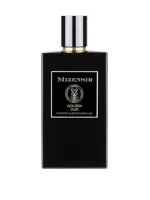
EDP · 2020
Mizensir
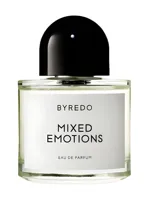
EDP · 2021
Byredo
Get the verdict in your inbox
New finds, honest verdicts, and price drops.
No spam. Unsubscribe anytime. See our privacy policy.
Are you sure?