Umami
Note profile
About
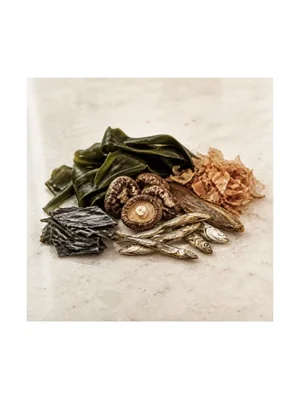
The savoury taste concept borrowed into perfumery. Not a material and not one food. It names a brothy, meaty, salty savouriness that the trade press applies to anything from sesame and rice to green tea and a salty skin scent.
Scent profile
Umami smells savoury, brothy and salty. A mineral edge runs through it, like skin after a day at the beach. There is a nutty note from sesame and rice, an earthy, mushroom-like depth and a green, tea-like freshness. Underneath sits a faint sulphurous warmth, like broth or cooked meat.
ScentWheel
Read off the wheel, not a label applied to the note.
ScentArt
Materials that can make this note
Perfumers can build Umami from materials such as:
-
L-glutamic acid monosodium salt monohydrate
Smell words come from published sources.
Allergens perfumes with this note can list: 3-Propylidenephthalide
A given perfume with this note may use some of these, or something else, and may or may not contain the allergens above.
Origin
Umami is a taste word, not a material. Taste science uses it for the savoury response to glutamate, the taste of broth and cooked meat. Perfumery borrowed the word. No source found names a material sold as umami. Perfumers build an umami accord from other materials. Ugo Charron of MANE built one for the heart of Umema (2024). Eurofragance says its captive Euphorion gives an umami effect, with salty facets almost like dried meat. On 2026-10-10 Fragrantica listed 2 perfumes with an umami note. Trade press also files olive oil, tomato, sesame, nuts, rice and green tea under umami.
Usage in perfumery
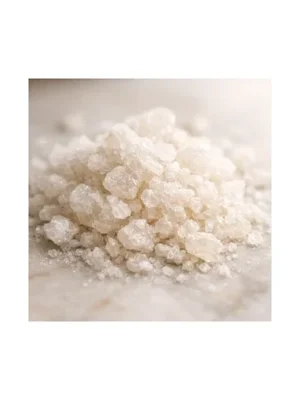
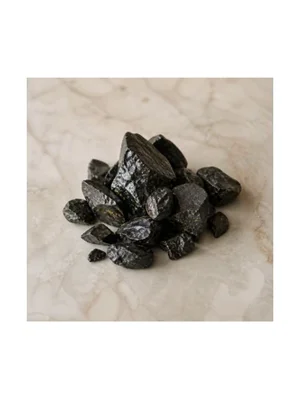
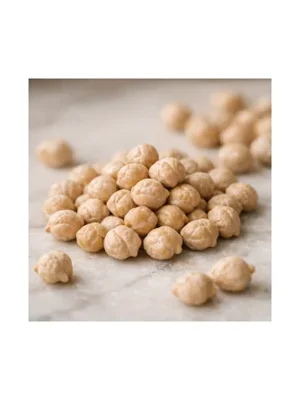
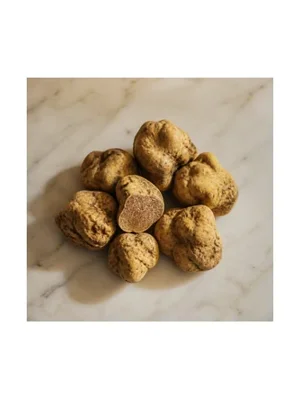
Used as a savoury, salted counterweight under a gourmand or a skin scent, so the sweetness reads as food and not as sugar. It sits in the heart. It is built from materials this data set holds separately, such as soy sauce, mushroom, truffle, sesame, seaweed and salt.
Similar notes
Perfumes featuring Umami
A selection of reviewed perfumes where Umami appears prominently.
We haven't reviewed any perfumes featuring Umami yet.