
Dark Seas
EDP
Wicked Good
Favourite
Note profile
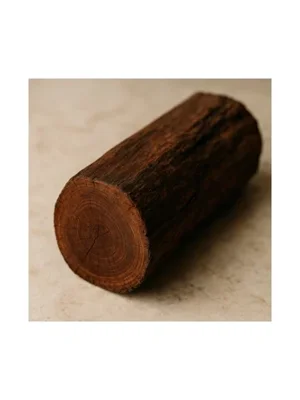
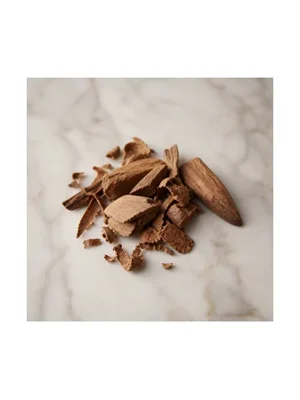
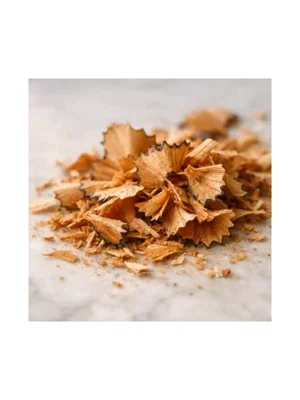
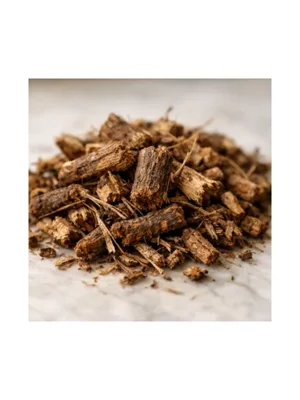
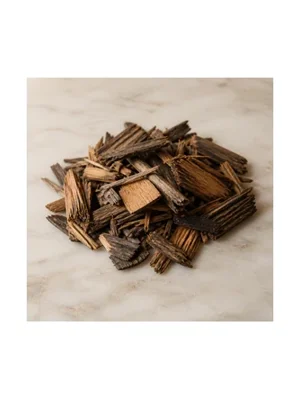
Smoked cedar is cedarwood with the smoke left in. It names the smoky pole of the cedar family rather than a new wood. Plain cedar is described as dry and pencil-sharp. Texas, Chinese and Alaskan cedarwood oils all carry smoke.
Smoked Cedar stays a cedarwood first, dry and pencil-sharp, with the smoke running alongside the wood rather than in front of it. A leathery note sets this cedar apart from the others in its family. It stays a wood with smoke in it, not a bonfire with wood in it.
Read off the wheel, not a label applied to the note.
Tap a perfume to see where Smoked Cedar sits in it. The rest of the picture goes grey

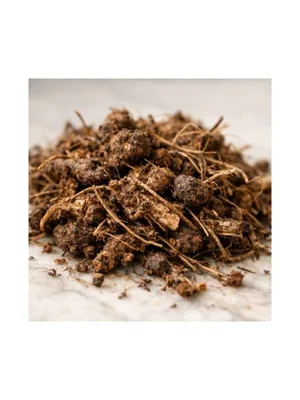
Two routes lead to the same note, and nothing found tells them apart. The first is natural. ScenTree says Texas cedarwood 'brings a natural cedarwood note with an important smoky character', files Alaska cedarwood under 'Woody > Cedar > Smoky Woods', and reports that Chinese cedarwood is used 'to give a dry and smoky effect' while being 'considered a poor quality cedar because of its smoky note' and cheap because it holds very little cedrol. The second is compounding. Commercial 'smoked cedar' accords put a separate smoke note next to cedarwood, as in Midwest Fragrance Company's listing, which builds a cedarwood middle with oud and smoke over patchouli and amber. No manufacturer olfactive sheet for a material sold as 'smoked cedar' was found.
Use it where plain cedar reads too clean. It gives a woody spine that already carries char, so a composition does not need a separate smoke material fighting the wood for the same space. Chinese cedarwood is dosed as a trace for exactly this. It sits in the base with oud, patchouli, amber and vetiver, and takes clove and pepper well on top.
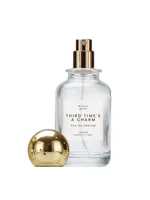
A selection of reviewed perfumes where Smoked Cedar appears prominently.
Get the verdict in your inbox
New finds, honest verdicts, and price drops.
No spam. Unsubscribe anytime. See our privacy policy.
Are you sure?