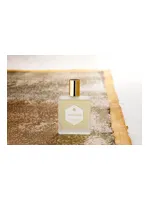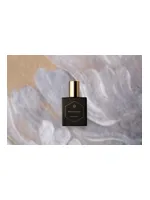
Osceola Muscat Woodland
EDP
Wild Veil
Statement
Note profile
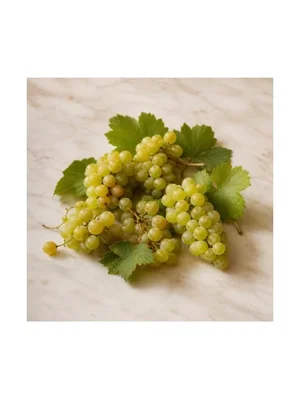
Muscat grape is the smell of the Muscat family of wine grapes - Muscat of Alexandria, Moscato Bianco and their relatives. Unlike table grape it is not a sugar-and-candy smell. Its character comes from free monoterpenes, so it reads floral first and fruity second.
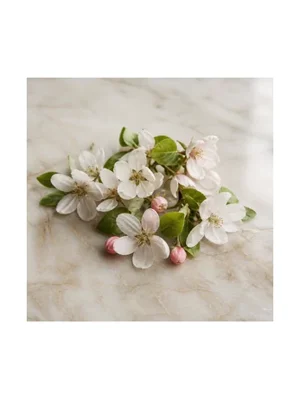
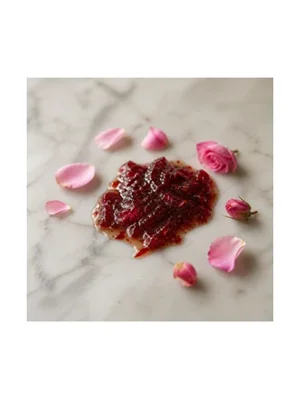
Muscat grape smells floral before it smells like fruit, closer to rose petals than to a bowl of grapes, though the ripe grape body sits right underneath. A narcotic top of orange blossom and honeysuckle gives it a white floral edge. Honey, dried fruit and nut notes run through the background, and a citrus lift from the peel brightens the top.
Read off the wheel, not a label applied to the note.
Tap a perfume to see where Muscat Grape sits in it. The rest of the picture goes grey

Perfumers can build Muscat Grape from materials such as:
Smell words come from published sources.
Allergens perfumes with this note can list: Geraniol, Linalool, Terpineol, Citronellol
A given perfume with this note may use some of these, or something else, and may or may not contain the allergens above.
Vitis vinifera, the Muscat cultivar group. A candidate-gene study of grapevine flavour (PMC3095323) puts intensely muscat-flavoured cultivars in a class of their own, with free monoterpene concentration as high as 6 mg/l against 1-4 mg/l for merely aromatic varieties and near nothing for neutral ones such as Chardonnay and Cabernet-Sauvignon. Linalool, geraniol, nerol, citronellol and alpha-terpineol are named as the major aromatic determinants.
No perfumery house sells a material called muscat grape. It is built as an accord, and the terpenes above are the shortest route to it. Parfumo files the note inside its Wine grape taxonomy rather than under plain Grape. Attested on 10 Parfumo perfumes across 6 brands.
A selection of reviewed perfumes where Muscat Grape appears prominently.
Get the verdict in your inbox
New finds, honest verdicts, and price drops.
No spam. Unsubscribe anytime. See our privacy policy.
Are you sure?