
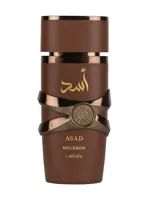
Asad Bourbon
EDP · 2025
Lattafa
Statement
Fragrance allergen
Oakmoss extract comes from Evernia prunastri, a lichen that grows on oak and other trees. Solvent extraction turns it into a dark absolute with a damp, earthy smell, long used as a base note and fixative in chypre perfumes. Its main allergenic constituents, atranol and chloroatranol, are prohibited in EU cosmetic products.
Evernia prunastri is a lichen, a partnership of fungus and alga, found on oaks and also on pines, willows, ashes, cedars and firs. It is harvested in winter and spring, in the Balkans, including Macedonia and Bulgaria, and in Morocco. A volatile solvent gives the concrete, and alcohol then gives the absolute. One perfume house reports that at least 100 kilos of lichen are needed to obtain one kilo of absolute.
Earthy, damp and mossy, with woody, mushroom and seaweed-like facets and a leathery, slightly smoky side. Good Scents lists green, woody, earthy, musty, mossy and oily.
Oakmoss absolute is a powerful, tenacious base note that also acts as a fixative. One perfume house describes the chypre accord as based on the combination of oakmoss absolute and patchouli. It also appears in fougere, woody, amber and oriental compositions. The concrete is used in soaps.
Named on 2% of the 6,994 perfume ingredient lists we hold (133 perfumes).
SCCS/1459/11 lists Evernia prunastri extract among established contact allergens in humans, and repeats that atranol and chloroatranol, its main allergenic constituents, should not be present in cosmetic products. Regulation (EU) 2017/1410 prohibits those two substances in cosmetic products. Oakmoss extract itself remains a labelled fragrance allergen. One perfume house says IFRA also restricts oakmoss.
A list that does not name it does not prove it is absent: brands only have to name it above the threshold.
Share of the perfumes we hold a list for, in each concentration.
Share of the lists naming Oakmoss that also name each of these.
EDP · 2025
Lattafa
EDP · 2019
Xerjoff
EDP · 2016
Lattafa
EDP · 2022
Mancera
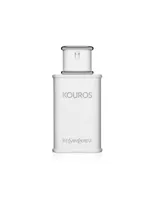
EDT · 1981
Yves Saint Laurent
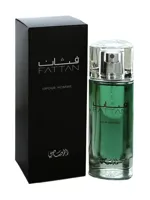
EDP · 2018
Rasasi
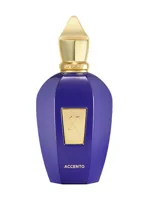
EDP · 2019
Xerjoff
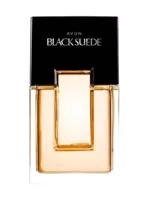
EDT · 1980
Avon
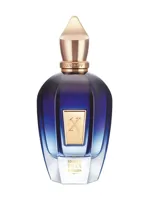
EDP · 2012
Xerjoff
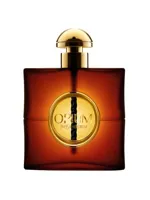
EDP · 2009
Yves Saint Laurent
Also Parfum
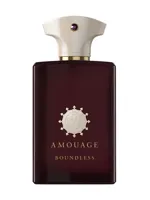
EDP · 2021
Amouage
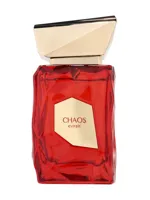
Extrait · 2025
French Avenue
Oakmoss smells earthy, damp and mossy, with woody, mushroom and seaweed-like notes and a slightly smoky, leathery side. It is a strong, tenacious base note used in chypre perfumes.
It is natural but it is not a moss. Oakmoss is a lichen, a partnership of a fungus and an alga, that grows on oaks and other trees. The perfume ingredient is a solvent extract of the lichen.
Oakmoss extract is a listed EU fragrance allergen, so it must be named above 0.001% in leave-on or 0.01% in rinse-off products. Separately, Regulation (EU) 2017/1410 prohibits atranol and chloroatranol, its main allergenic constituents, in cosmetic products.
Get the verdict in your inbox
New finds, honest verdicts, and price drops.
No spam. Unsubscribe anytime. See our privacy policy.
Are you sure?