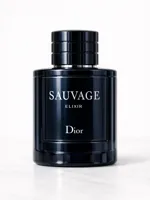
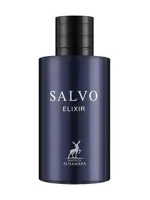
Is Maison Alhambra Salvo Elixir inspired by Dior Sauvage Elixir?







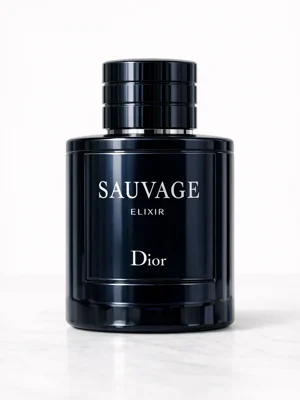 Sauvage Elixir Parfum
| Parfum | Concentration | EDP |
| M | Gender | M |
| 2021 | Year | 2022 |
| $$ | Price tier | $ |
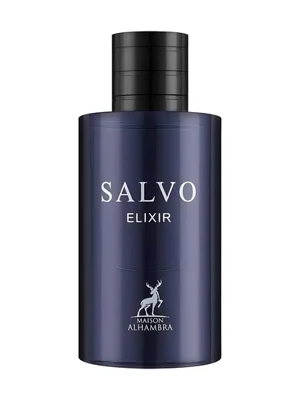 Salvo Elixir EDP
Sauvage Elixir and Salvo Elixir share a similar DNA, but diverge in price and intensity. Sauvage Elixir is a potent parfum, projecting a bolder, more luxurious aroma with superior longevity. Salvo Elixir, an EDP, offers a similar scent profile at a budget-friendly price, though it may require reapplication. If you prioritize beast-mode performance and a richer composition, Dior is the choice. For those seeking an affordable alternative that captures the essence of Sauvage Elixir, Maison Alhambra's dupe is a great option.
 →
Where they differ
Biggest gaps first. The bolder side leads.
ScentArt
How it unfolds
Notes
- Sauvage Elixir
- Salvo Elixir
- in both
Tap a note to light it in both. A+B means both have it


Which should you buy?
- You want a fragrance with exceptional longevity.
- You prefer a richer, more complex scent profile.
- You want to make a bold statement with your fragrance.
- Price is not a significant concern for you.
- You're seeking an affordable alternative.
- You prefer a more subtle fragrance.
- You enjoy the Sauvage Elixir DNA but want a lighter touch.
- You do not mind re-applying during the day.
Sauvage with the gloss stripped off and the density turned right up. Licorice and lavender give it a dark, almost medicinal richness that makes the Eau de Toilette seem thin. Demanding and seriously good.
Dark, confident and smarter than its swagger suggests. Tobacco gives it a gruff edge while iris smooths the collar. There is plenty going on and it can feel crowded, but the warmth holds together and the result is handsome.
Scent profile
How they wear
Mood
Notes
Top notes
Heart notes
Base notes
Base notes
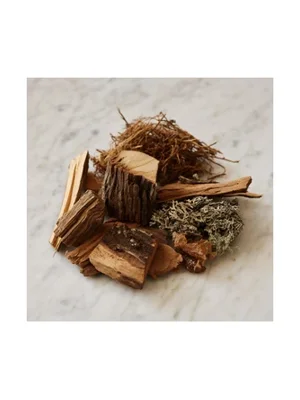 Woody Notes
18% share of the perfume
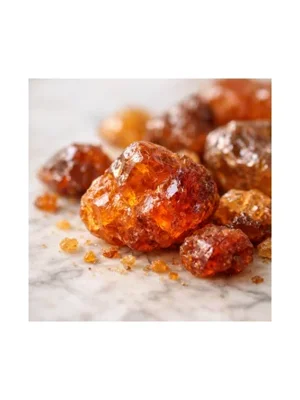
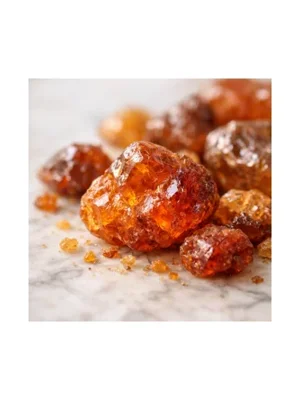 Amber
15% share of the perfume
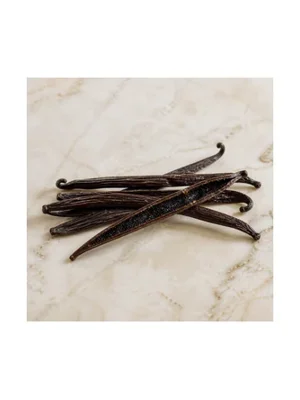 Vanilla
9% share of the perfume
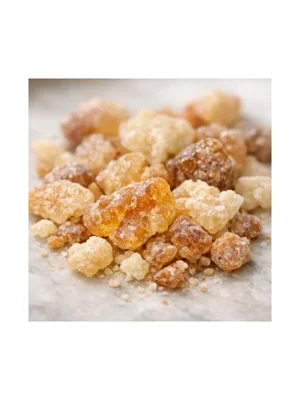 Benzoin
5% share of the perfume
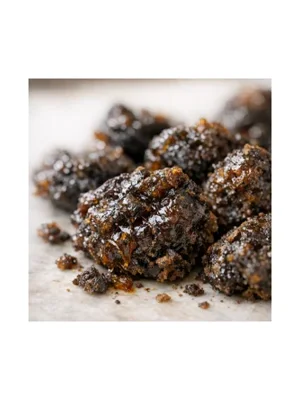 Labdanum
4% share of the perfume
Amber
10%
vs
14%
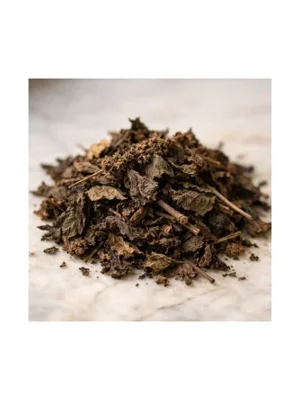 Patchouli
6%
vs
10%
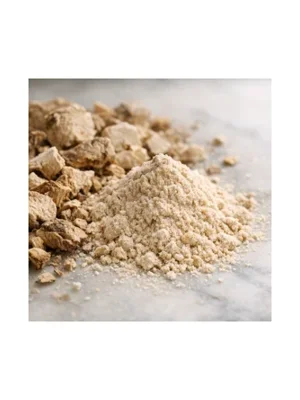
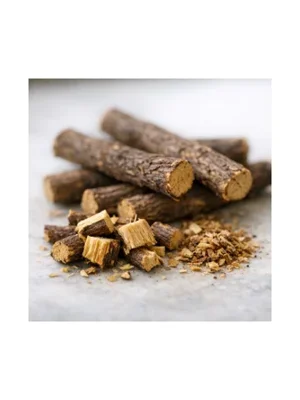 Licorice
15% share of the perfume
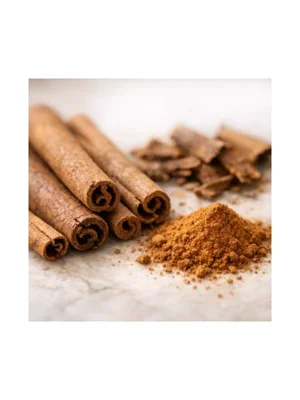 Cinnamon
15% share of the perfume
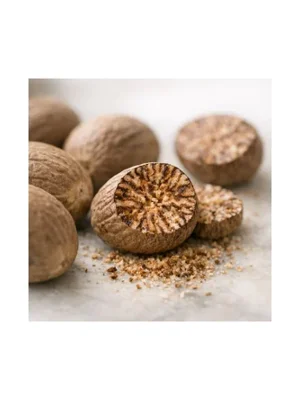 Nutmeg
12% share of the perfume
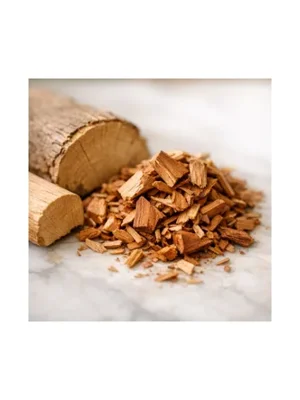 Sandalwood
12% share of the perfume
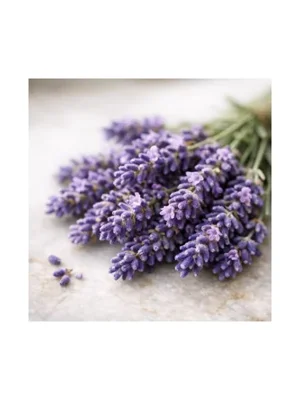 Lavender
11% share of the perfume
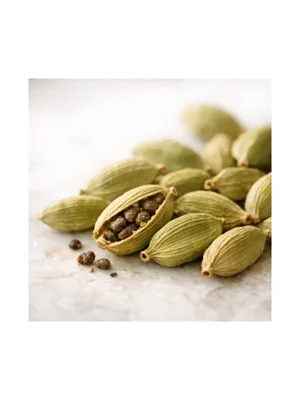 Cardamom
10% share of the perfume
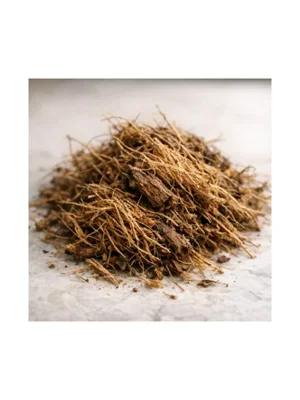 Vetiver
6% share of the perfume
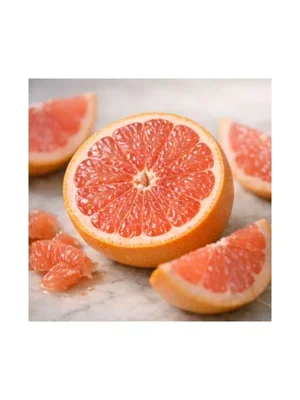 Grapefruit
2% share of the perfume
Woody Notes
18% share of the perfume
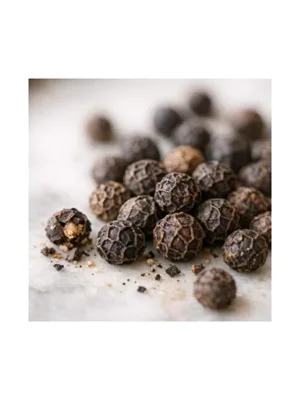 Pepper
14% share of the perfume
Vanilla
9% share of the perfume
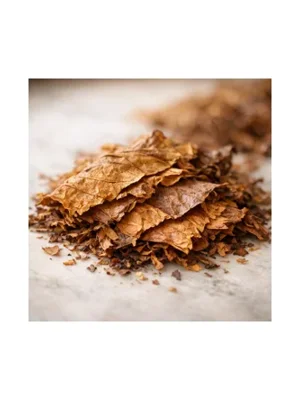 Tobacco
9% share of the perfume
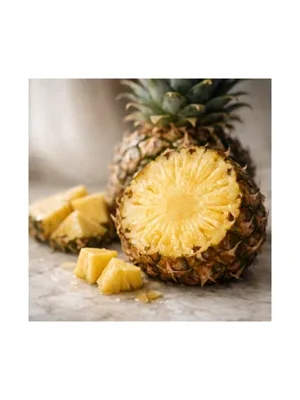 Pineapple
7% share of the perfume
Benzoin
5% share of the perfume
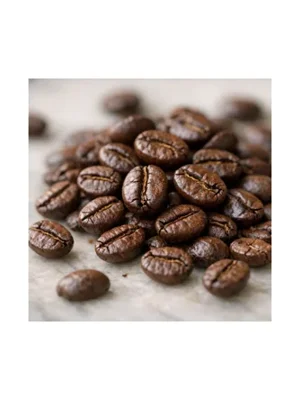 Coffee
5% share of the perfume
Labdanum
4% share of the perfume
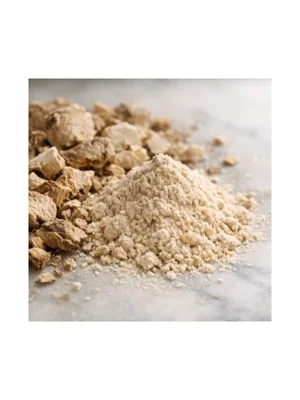 Iris
3% share of the perfume
Lavender
11% share of the perfume
Patchouli
11% share of the perfume
Coffee
5% share of the perfume
Iris
3% share of the perfume
Amber
10%
vs
14%
Licorice
15% share of the perfume
Sandalwood
12% share of the perfume
Patchouli
6% share of the perfume
Vetiver
6% share of the perfume
Woody Notes
18% share of the perfume
Vanilla
9% share of the perfume
Benzoin
5% share of the perfume
Labdanum
4% share of the perfume
Note weights are our estimate from each note's place in the pyramid, not the share of the formula. Brands do not publish formulations.
Performance
Season and occasion fit
Seasons
Warm spice, amber and licorice give autumn and winter the strongest alignment; grapefruit adds a brighter edge that keeps spring in view.
Occasions
The layered spice, lavender and dense woods give the formal and date values a slight lead; the darker base has less affinity with office and sport.
Seasons
Winter and autumn, when the amber, tobacco and coffee feel most natural; summer would overwhelm it.
Occasions
Best for evening dates and formal events. A bit too bold for a typical office, and out of place for sport.
Similarity breakdown
Our estimate of how alike these two fragrances smell, calculated from their published notes. It is a position on our scale, not a measured percentage of shared smell.
Shares 2 of its 11 notes, including Amber, Patchouli
Adds benzoin and coffee, drops cardamom and cinnamon
Where to buy
Pick a size. The two cheapest offers, then the rest.






Prices before sales tax, which the shop adds at checkout.
ScentVerdict earns a commission from purchases - this doesn't affect our verdicts.