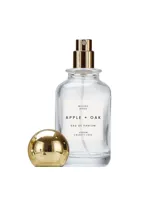
Apple + Oak
EDP
Wicked Good
Favourite
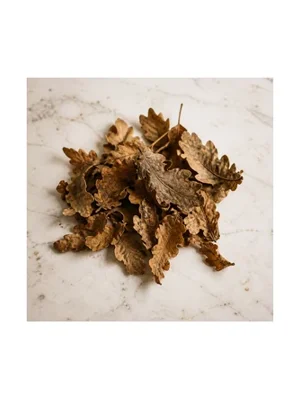
Note profile
Tannic, dry, astringent green foliage that turns leathery and earthy as the leaf dries and rots.
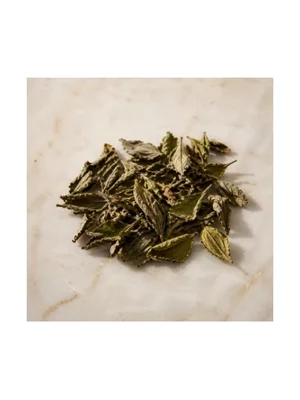
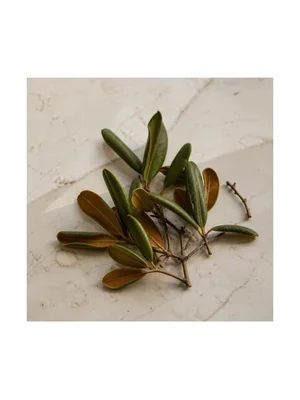
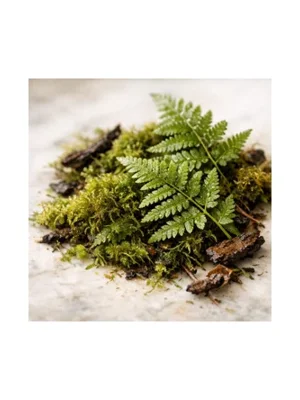
Oak Leaves smells green at first, a crisp, dry, faintly astringent leaf snap. As it dries and rots, it turns earthy, like forest floor and damp mulch. A leathery, tea like quality develops at the same stage. Underneath sits a dry, woody bark note, and a dried leaf, hay like edge. A mossy character runs through it, fitting a chypre or forest accord.
Read off the wheel, not a label applied to the note.
Tap a perfume to see where Oak Leaves sits in it. The rest of the picture goes grey

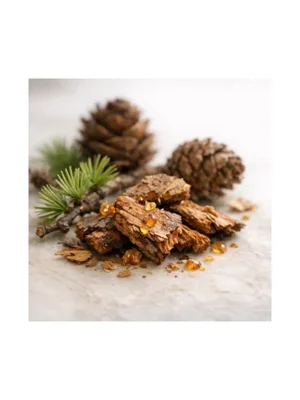
Perfumers can build Oak Leaves from materials such as:
Smell words come from published sources.
Allergens perfumes with this note can list: Methyl Salicylate
A given perfume with this note may use some of these, or something else, and may or may not contain the allergens above.
No commercial essential oil or absolute of oak leaves exists. Première Peau states this plainly. The note is a reconstruction, built from green-leaf aldehydes for the fresh stage, methyl salicylate for the tannic astringency, leathery molecules for the drying stage, and geosmin and vetiver for the decomposing stage. So the referent is an accord, not an extract, and the leaf of Quercus is the target rather than the source.
Perfumers use oak leaves as a deciduous-forest modifier across the heart-to-base transition. It gives a temperate-European forest reference in chypre, forest and autumnal compositions. The tannic thread is what distinguishes it from tropical or coniferous leaf notes, and it is that thread, not the green top, that carries it into the drydown.
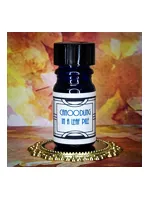
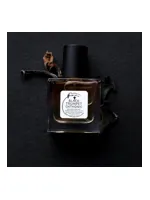
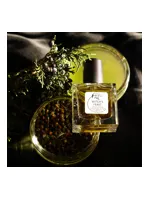
A selection of reviewed perfumes where Oak Leaves appears prominently.
Get the verdict in your inbox
New finds, honest verdicts, and price drops.
No spam. Unsubscribe anytime. See our privacy policy.
Are you sure?