Larch names no single substance
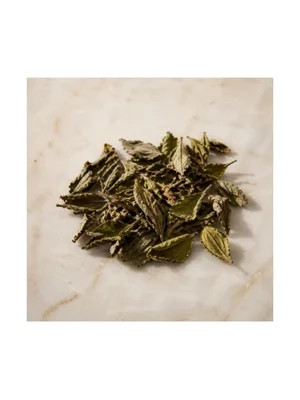
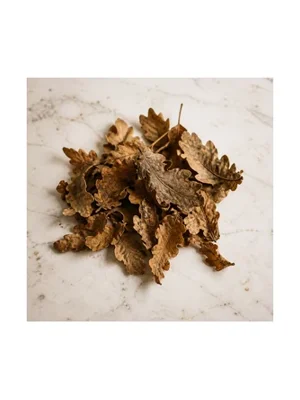
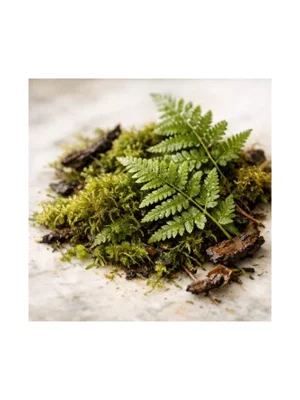
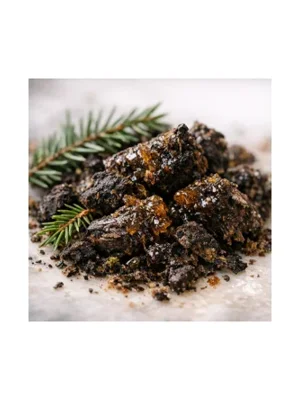
A natural extractLarch turpentine exists but we hold none. The material that would realise this note is Larch turpentine; we do not hold it, so this edge names the gap rather than asserting a reconstruction.
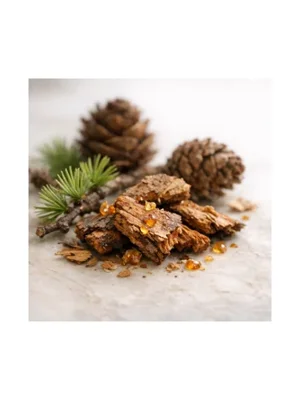
Note Profile
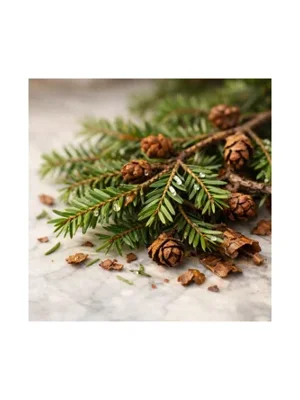
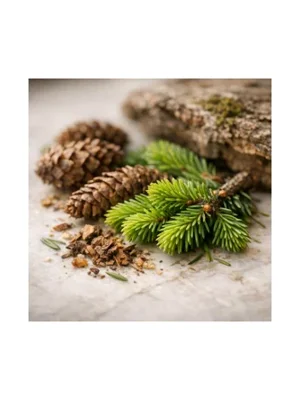
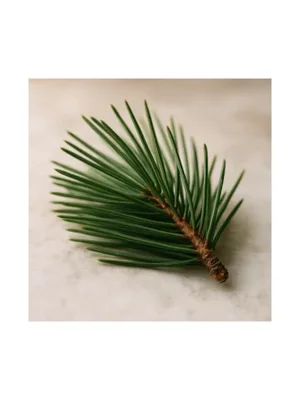
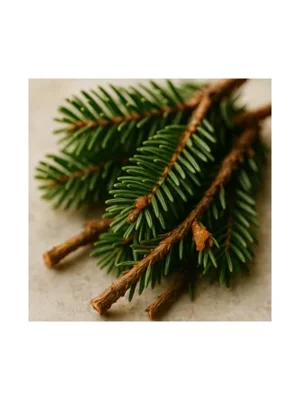
Larch is the wood and resin of Larix trees, native to the cooler Northern Hemisphere. The oil or resinoid is steam distilled or solvent extracted. It smells dry, resinous and woody, with green and balsamic touches. It is lighter and less smoky than pine, with a faintly sweet, lemony note that softens on drying. It is used in the heart or base.
Larch has a dry, resinous woody aroma with subtle green and balsamic undertones. Its scent is lighter and less smoky than pine, with a faintly sweet, almost lemony nuance that softens as it dries down. The note can evoke the fresh, sun-warmed wood of larch forests.
Read off the wheel, not a label applied to the note.
Larch turpentine exists but we hold none. The material that would realise this note is Larch turpentine; we do not hold it, so this edge names the gap rather than asserting a reconstruction.
Larch is sourced from the wood and resin of trees in the Larix genus, native to cooler regions of the Northern Hemisphere. Essential oil or resinoid is typically obtained through steam distillation or solvent extraction of the wood or resin.
Perfumers use larch primarily as a heart or base note to impart natural woody depth and subtle resinous warmth. It blends well with coniferous notes, vetiver, incense, and citrus, and is valued for adding complexity to woody, fougère, and chypre compositions.
A selection of reviewed perfumes where Larch appears prominently.
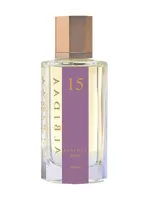
EDP · 2023
AlBidaa
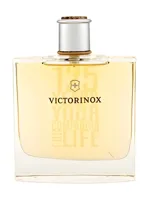
EDT · 2009
Victorinox Swiss Army
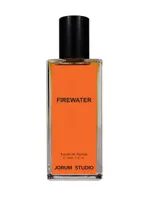
Extrait · 2022
Jorum Studio
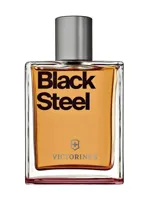
EDT · 2020
Victorinox Swiss Army
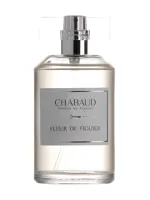
Parfum
Chabaud Maison de Parfum
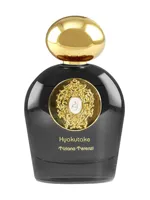
Extrait · 2023
Tiziana Terenzi
New finds, honest verdicts, and price drops.
No spam. Unsubscribe anytime. See our privacy policy.