
See What Your Perfume Smells Like
Every fragrance has a visual fingerprint. ScentArt reads a perfume's real notes and character and paints them into a one-of-a-kind image you can actually read.
In this guide
How ScentArt works
Every perfume is built from dozens of notes, and every note is scored against 34 olfactory facets across ten scent families - fresh, floral, fruity, green, sweet, spicy, woody, amber-musk, elemental and waxy-fatty. ScentArt reads that real composition and renders it as a field of physical matter you can actually read.
Its notes become its colours
Every note carries a colour, and the renderer blends them in the proportions the perfume's note list gives them. The picture is painted in the colours of the notes it is built from.
Its notes become real materials
Each of the 34 facets resolves to the physical stuff the smell comes from, drawn with scanned surfaces: leather renders as tanned hide, oakmoss as lichen, smoke as charred wood, petals as translucent cells. A frame amalgamates the perfume's three strongest materials by how much of the scent each one carries - the bolder a facet, the more of the picture it owns.
And you can read it back
The finest, coolest matter is the opening; the deepest, heaviest accumulation is the drydown. Once you know the key, a glance tells you roughly how it smells - warm and cosy, fresh and sharp, soft and floral. The full-screen view also keeps Classic, the previous generation of ScentArt, and ScentArt Liquid sets the scent in motion.
Read the texture first: it names the material, and the material names the facet. Read the colour second, which names the notes. The same perfume always makes the same image, because it is built from that perfume's stored note profile rather than from a model's guess at a smell.
The colours come from the notes
Each note carries its own colour. Here are a few familiar ones: the real ingredient, and the colour it lends to every ScentArt it appears in.
-
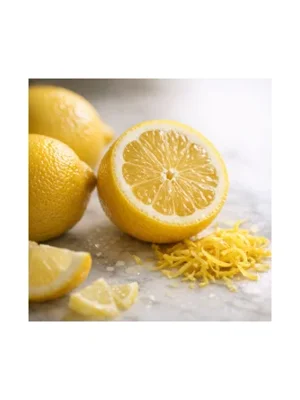 Lemon
citrus
Lemon
citrus
-
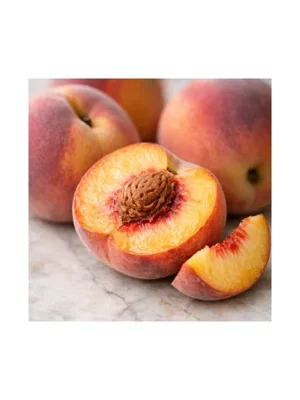 Peach
fruity
Peach
fruity
-
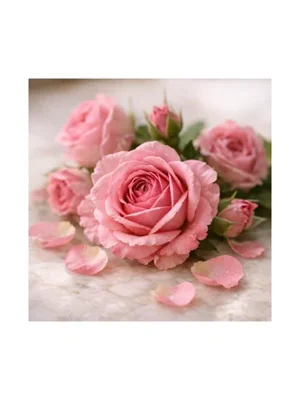 Rose
floral
Rose
floral
-
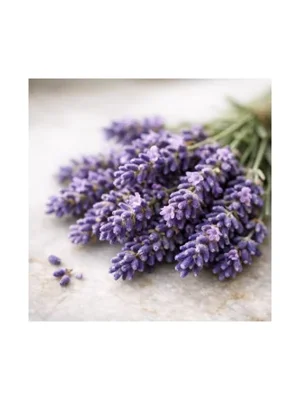 Lavender
herbal
Lavender
herbal
-
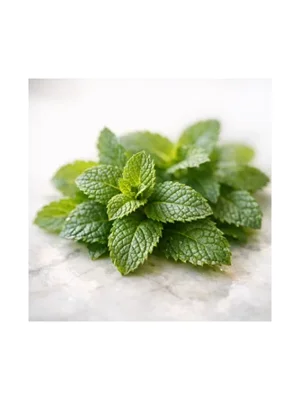 Mint
herbal
Mint
herbal
-
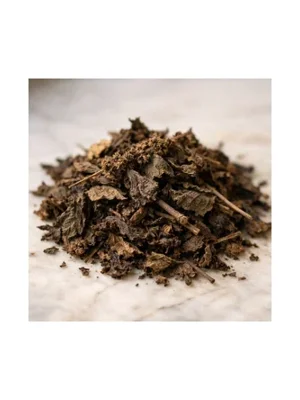 Patchouli
earthy
Patchouli
earthy
The renderer described above is the one running today. Every earlier one is still on the site. If you want the engineering story - what each one drew, and what made us start again - read the history of the ScentArt renderers.
Gallery - see the difference
Twelve perfumes, one from each band of the colour wheel. Between them they cover the full range of hues ScentArt produces. A tile's colour comes from the perfume's heaviest note, its texture from the materials its facets resolve to. None is chosen to flatter the result: each is the most vivid example in its band.
Find your perfume
Every published perfume on ScentVerdict has its own ScentArt. Search for your favourite fragrance and see what it looks like.
Frequently asked questions
What is ScentArt?
ScentArt is an algorithmic visualisation system that turns a perfume's note composition into unique generative art. Each note is scored against 34 olfactory facets, each facet resolves to a scanned physical material, and the perfume's strongest materials are rendered as one continuous field - a one-of-a-kind visual fingerprint. The full-screen viewer keeps Classic, the previous generation of the renderer, alongside it, and ScentArt Liquid sets the same composition in motion as a fluid simulation.
How does perfume visualisation work?
Every note in a perfume carries its own colour and its own facet scores. ScentArt blends the actual note colours across matter chosen by those scores - scanned surfaces of the physical things the smells come from - so a leathery perfume is drawn in hide and a smoky one in char. The result is a unique image for each perfume. ScentArt Liquid takes the same composition and sets it in motion as a fluid simulation.
What do the colours mean?
The colours are the perfume's real note colours, blended together - not a fixed palette. Each note has its own colour: a citrus note reads bright yellow-green, rose a soft pink, vanilla and amber a warm gold, vetiver and moss a deep green, oud and dark woods a deep brown. The blend is the colour signature of that one perfume's notes, which is why two perfumes rarely look the same.
Can I see any perfume visualised?
Yes. Every published perfume on ScentVerdict has its own ScentArt visualisation. Visit any perfume page and look for the Scent Profile section to see the static preview, or click through to the full interactive viewer.
Is this AI generated?
No. ScentArt uses a deterministic algorithm driven by actual perfume composition data - the real notes, their weights and their facet scores. It is not generated by AI image models. The same perfume always produces the same visualisation because it is based on the fragrance's actual ingredients, not random generation.