Notes Explained
In this guide
What are perfume notes?
Notes are layers that arrive at different times. That unfolding is most of what makes a perfume interesting to wear rather than merely to smell.
Think of it like a song. It doesn't hit you with every instrument at once - it opens with a guitar riff, then drums, bass, and vocals layer in over time. Perfume works the same way. Different ingredients evaporate at different rates, so what you smell shifts as you wear it. The bright citrus from the first five minutes? Gone by lunch. The warm woody scent still there at dinner? It was always in the bottle - it just needed time to show up.
The framework - top, heart, and base - reflects genuine chemistry. Lighter molecules evaporate first and heavier ones stick around. It is a simple idea, and it changes how you read every fragrance you try.
Top notes - the first impression
Top notes are what hit you the moment you spray. They're gone fast - usually within fifteen to thirty minutes. Most people judge a perfume entirely on this phase, but that's like walking out of a film after the opening credits and writing a review.
Typical top notes are light, sharp, and energising - citrus fruits (bergamot, lemon, grapefruit), fresh herbs (basil, mint), and peppery or aromatic notes. Think of Dior Sauvage's opening: that bright, almost prickling bergamot and pepper. Pure top notes at work.
Top notes are the invitation. A good opening makes you want to keep sniffing as the fragrance develops. A bad one puts you off before you reach what is underneath, which is why perfumers spend so long on those first few minutes even when the next hour is completely different.
Heart notes - the real character
Once the top notes burn off, you're into the heart - the part that defines the fragrance's character. If you ask someone what a perfume "smells like," they're almost always describing heart notes, which dominate from about thirty minutes to two hours after spraying.
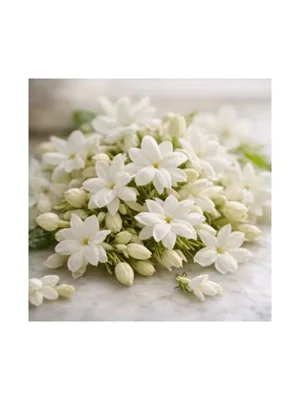
Heart notes tend to be richer, rounder, and more complex than the opening. Florals dominate - rose, jasmine, ylang-ylang, iris. You'll also find spices (cinnamon, cardamom, nutmeg) and fruity notes. The heart is where a perfume settles into what it is.
Take Chanel No. 5: the heart is an incredibly complex floral bouquet built around May rose and jasmine, with ylang-ylang adding something almost creamy. The aldehydic opening gets the attention; the heart is what made it last.
Heart notes are sometimes called "middle notes" - same thing, different name. You'll see both terms on fragrance websites and in reviews. Neither is more correct than the other.
The heart also bridges the transition between bright top notes and the heavier base underneath. A well-built heart takes the join out, so there is no hard shift from "citrus opening" to "woody finish".
Base notes - the foundation
Base notes are the heavyweights - the molecules that take longest to evaporate. You'll start noticing them around the two-hour mark, and they can stick around for the rest of the day, sometimes lingering on clothes the next morning.
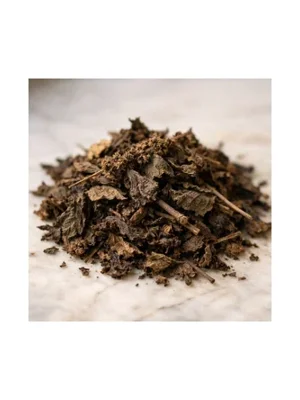
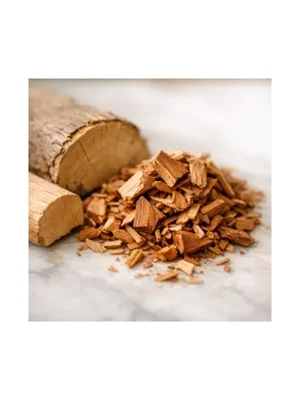
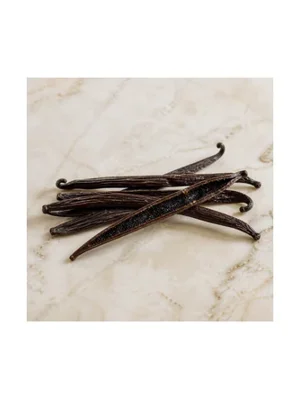
Common base ingredients: sandalwood, cedar, vetiver, and oud from the wood family; vanilla, amber, and benzoin from the sweet side; musk (a staple in hundreds of fragrances); and resins like frankincense and myrrh.
The base is the part you will be smelling for most of the day. Top notes get twenty minutes, the heart a couple of hours, the base potentially eight to twelve. If you do not enjoy the base you do not enjoy the fragrance. Tom Ford Tobacco Vanille is the clearest case: the vanilla and tonka bean foundation is what gets it called cosy and addictive.
When testing a new perfume, spray it on your wrist and check back after two hours. What you smell at that point is the base starting to dominate, and it's the closest preview of what you'll actually smell like for most of the day. That two-hour check is more important than the first impression.
Base notes also anchor the entire fragrance from the start - they're there underneath the opening, providing depth you'd miss if they weren't. They're also the biggest contributor to sillage - that scent trail you leave behind when you walk through a room.
How notes work together

The pyramid is how perfumers think about construction, and it leaves one thing out: the layers are not isolated. When you spray you get all three at once, with the balance shifting as lighter molecules evaporate and heavier ones come forward.
An orchestra works the same way. In the opening bars, the violins are loudest - but the cellos are already playing underneath. As the piece progresses, the strings quiet down and the brass takes over. Perfume works the same way. The bergamot doesn't vanish and get replaced by rose; it fades gradually while the rose becomes more prominent and the sandalwood underneath grows richer.
This is why two perfumes can share identical note lists and smell nothing alike. The balance and the transitions do as much work as the ingredients. Notes also interact to create accords - combinations that produce a scent distinct from any individual component. A "leather" accord might combine birch tar, castoreum, and quinoline - none smell like leather alone, but together they do. You can see how notes translate into visual art with ScentArt - each note family becomes a colour in a generative artwork unique to every perfume.
Why this matters when you're shopping
Once you know the first spray is mostly top notes, light and gone in twenty minutes, you stop judging a bottle on them.
- Spray on skin and wait at least two hours before deciding. The drydown is what you'll actually smell like all day.
- Read note breakdowns with the pyramid in mind. Love sandalwood? Look for it in the base - that means it'll be a significant part of the long-term experience. If bergamot is listed as a top note, it'll be gone within half an hour.
- Pay attention to the base in reviews. When someone calls a fragrance "woody" or "powdery," they're usually describing the base phase. "Fresh opening" means top notes they experienced briefly at the start.
- Don't panic about nose blindness. After thirty minutes, your nose adapts and stops registering the fragrance consciously. It is still there, and other people can still smell it.
If you want to dig deeper, our guide to understanding accords explains how perfumers combine notes into larger building blocks. And our guide on making perfume last longer covers the practical side.
Explore the catalogue
Some of the most-reviewed notes on ScentVerdict: