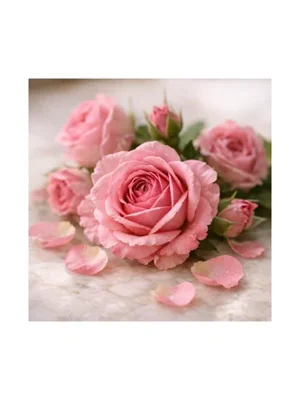
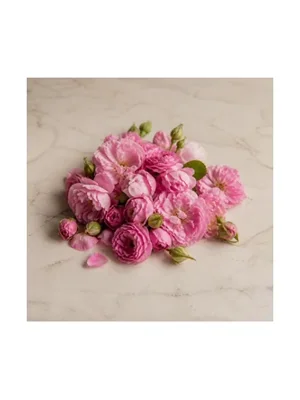
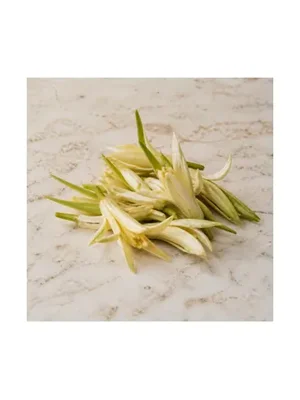
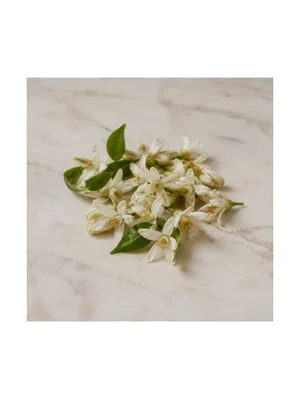
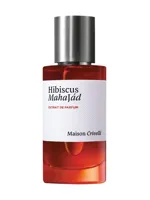
Alba Rose, ancient rose, Black Rose, Blue Rose, Bourbon Rose, British Rose, Bulgarian Rose, Centifolia Rose, Centifolia Rose Absolute, Colombian rose, Damascus Rose, Damask Rose, Damask Rose Absolute, Damask Rose Essence, Emotion Rose, Fantasia Rose, Green Rosebud, Halfeti Black Rose, Liv Tyler Rose, Madame Isaac Pereire, May Rose, Moroccan Rose, Moroccan Rose Absolute, Musk Rose, Passion Rose, Pink Rose Petals, Red Rose, Rosa Centifolia, Rose Centifolia, rose damascena, Rose Damascena Absolute, Rose de Grasse, Rose de Mai Absolute, Rose Essence, Rose Essential™, Rose Flower Extract, Rose Ketones, Rose May, Rose Oil, Rose Petals, Rose Ultimate Extract™, Rose Water, Rosewater, Tea Rose, Tincture Of Rose, Turkey Red Rose, Turkish Damask Rose, Turkish Rose, Turkish Rose Absolute, Turkish Rose Petals, White Rose, Wild Rose
About
Classic rose
Scent Profile
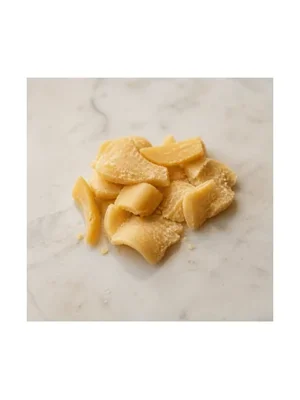
Rose has a rich, multi-faceted floral scent with fresh petals and honey at the centre, opened by a green-citrus brightness from citronellol and geraniol. A faintly metallic, almost mineral flash from rose oxide separates it from cleaner florals such as peony. The otto's waxy stearoptenes - the paraffins that make it crystallise in cool storage - give the drydown a soft fatty weight under its dusty, faintly powdery close. Its aroma can range from dewy and light to deep and velvety.
Geraniol is one of the two principal rose alcohols; rose is genuinely a multi-material accord, so this is a partial account.
Declarable allergen
Named in EU Annex III as Geraniolproducts must list this name above a set concentration
Restricted
An IFRA Standard limits how much of this a perfumer can usethe limit applies to the perfumer, not the wearer
These are facts about the substance, not about any perfume with this note.
Why that matters
A perfume that names Rose can use a different extract, a
reformulated version, or a synthetic reconstruction. It can also hold less
than the amount that requires a declaration. We cannot tell which applies.
These rows cover only the substances we hold a link for.
Rose oil and absolute are primarily extracted from Rosa damascena and Rosa centifolia, cultivated in regions such as Bulgaria, Turkey, and Morocco. Extraction methods include steam distillation for rose oil and solvent extraction for rose absolute, each yielding distinct aromatic profiles. Harvesting is labor-intensive, with petals picked by hand in the early morning to preserve their scent.
Usage in Perfumery
Rose is used mainly as a heart note, providing floral richness and depth to compositions. It blends well with citrus, spices, woods, and other florals, and is found in both feminine and masculine fragrances. Perfumers employ rose to impart elegance, structure, and a classic floral signature.
We count visits to see which pages help people and to improve the site.
No advertising, and no tracking across other sites.
Read our cookie policy
Cookie Preferences
Analytics is on unless you switch it off here. Essential cookies cannot be
disabled as they're required for the website to function.
Always On
Required for the website to function. Includes session management and security tokens.
Counts visits and which pages people use, so we can improve the site. We use
Google Analytics with its advertising features switched off, plus our own
cookieless visit counter. Switching this off stops both.