Fragrance allergens on perfume labels
A fragrance allergen on a perfume label is a substance that EU and Great Britain cosmetics law says must be named in the ingredient list once it passes a set amount: 0.001% in a leave-on product such as perfume, 0.01% in a rinse-off one. Great Britain's list has 26 entries, and the EU added 56 more in 2023. A name on the list is information for people who already know they react to a substance. As the European Commission puts it, an ingredient appearing in the list does not mean the product is unsafe.
Which fragrance allergens are named most often?
Share of the 6,851 perfumes we hold an ingredient list for whose list names each allergen.
- Limonene
- Linalool
- Citral
- Geraniol
- Citronellol
- Coumarin
- Benzyl benzoate
- Eugenol
- Benzyl salicylate
- Hydroxycitronellal










Which fragrance allergens do we cover?
Each one has a page: what it is, where it comes from, what the law says about it and which perfumes name it. "Fragrance Mix" marks a substance that belongs to a standard patch-test mixture.
On both Great Britain and EU labels
These are on Great Britain's list and the EU's.
- Limonene Limonene is a hydrocarbon found in citrus peel oils, where it can reach 90 per cent, and it has a fresh citrus smell. 89% of the lists we hold name it
- Linalool Linalool is a monoterpenoid alcohol found in many plants and essential oils, including lavender, coriander and rosewood. 88% of the lists we hold name it
- Citral Citral is the lemon-scented aldehyde that is the main component of lemongrass oil. Fragrance Mix II 77% of the lists we hold name it
- Geraniol Geraniol is a rose-scented alcohol that occurs in rose and palmarosa oils. Fragrance Mix I 76% of the lists we hold name it
- Citronellol Citronellol is a fragrance alcohol with a fresh, rosy smell. Fragrance Mix II 74% of the lists we hold name it
- Coumarin Coumarin is a sweet-smelling crystalline compound found notably in the tonka bean. Fragrance Mix II 60% of the lists we hold name it
- Benzyl benzoate Benzyl benzoate is an ester of benzyl alcohol and benzoic acid, a colourless oily liquid or white solid with a faint, sweet, balsamic smell. 45% of the lists we hold name it
- Eugenol Eugenol is a spicy, clove-scented phenol that makes up most of clove oil. Fragrance Mix I 45% of the lists we hold name it
- Benzyl salicylate Benzyl salicylate is an ester of salicylic acid and benzyl alcohol. 42% of the lists we hold name it
- Hydroxycitronellal Hydroxycitronellal is a man-made floral aldehyde whose scent recalls lily of the valley, known in perfumery as muguet. Fragrance Mix I 40% of the lists we hold name it
- alpha-Isomethyl ionone Alpha-isomethyl ionone is a violet and iris-type fragrance ingredient from the methyl ionone family. 39% of the lists we hold name it
- Benzyl alcohol Benzyl alcohol is a clear, colourless liquid with a faint, mildly floral smell. 38% of the lists we hold name it
- Farnesol Farnesol is a sesquiterpene alcohol with a soft green-floral scent, often compared to lily of the valley and linden blossom. Fragrance Mix II 30% of the lists we hold name it
- Isoeugenol Named on 1,855 of the perfumes we hold a list for. Fragrance Mix I 27% of the lists we hold name it
- Hexyl cinnamal Hexyl cinnamal is a pale yellow liquid used in perfume for a mild, sweet, jasmine-like floral note. Fragrance Mix II 24% of the lists we hold name it
- Cinnamal Cinnamal, also called cinnamaldehyde, is the molecule that gives cinnamon its flavour and smell. Fragrance Mix I 21% of the lists we hold name it
- Cinnamyl alcohol Named on 1,112 of the perfumes we hold a list for. Fragrance Mix I 16% of the lists we hold name it
- Benzyl cinnamate Benzyl cinnamate is an ester formed from benzyl alcohol and cinnamic acid. 11% of the lists we hold name it
- Anise alcohol Anise alcohol, also called anisyl alcohol or 4-methoxybenzyl alcohol, is a mild, sweet aromatic alcohol. 6% of the lists we hold name it
- Amyl cinnamal Amyl cinnamal, also sold as jasmine aldehyde, is a pale yellowish liquid with a strong, sweet floral smell that suggests jasmine. Fragrance Mix I 6% of the lists we hold name it
- Oakmoss Oakmoss extract comes from Evernia prunastri, a lichen that grows on oak and other trees. Fragrance Mix I 2% of the lists we hold name it
- Amylcinnamyl alcohol Named on 54 of the perfumes we hold a list for. 1% of the lists we hold name it
- Treemoss Printed on labels as Evernia furfuracea extract. 0% of the lists we hold name it













On EU labels only
These are on the EU list but not on Great Britain's. Most came with the 2023 expansion, so a Great Britain label need not name them.
- Pinene Pinene covers two close relatives, alpha-pinene and beta-pinene, the hydrocarbons behind the smell of pine and turpentine. 14% of the lists we hold name it
- Linalyl Acetate Linalyl acetate is the acetate ester of linalool and a principal scent component of bergamot and lavender oils. 12% of the lists we hold name it
- Geranyl Acetate Geranyl acetate is the acetate ester of geraniol, a colourless liquid with a sweet, fruity-rosy smell and a hint of lavender. 12% of the lists we hold name it
- Beta-Caryophyllene Beta-caryophyllene is a sesquiterpene hydrocarbon with a woody, spicy, clove-like smell, found in many essential oils. 12% of the lists we hold name it
- Woody amber musk Printed on labels as Tetramethyl acetyloctahydronaphthalenes. 12% of the lists we hold name it
- Vanillin Vanillin is the main flavour and scent compound of the vanilla bean. 11% of the lists we hold name it
- Terpineol Terpineol is a pine-and-lilac scented alcohol found in a very large number of essential oils. 11% of the lists we hold name it
- Terpinolene Terpinolene is a pine-scented terpene found in citrus peel, pine, tea tree, parsnip and many other plant oils. 10% of the lists we hold name it
- Pogostemon Cablin Oil Patchouli oil is the essential oil taken from the leaves of Pogostemon cablin, a bushy herb native to tropical Southeast Asia. 8% of the lists we hold name it
- Alpha-Terpinene Alpha-terpinene is a monoterpene that smells of lemon and wood, with a herbal, slightly medicinal edge. 7% of the lists we hold name it
- Synthetic musk Hexamethylindanopyran, sold as Galaxolide and known as HHCB, is a synthetic polycyclic musk. 6% of the lists we hold name it
- Citrus Limon Peel Oil Lemon peel oil is the volatile oil taken from the peel of the lemon, Citrus limon. 5% of the lists we hold name it
- Virginian cedarwood Printed on labels as Juniperus Virginiana Oil. 5% of the lists we hold name it
- Camphor Camphor is a white crystalline solid with a strong, penetrating smell, found in the camphor tree and in several herbs. 4% of the lists we hold name it
- Bitter almond Benzaldehyde is the simplest aromatic aldehyde and the smell of bitter almond. 4% of the lists we hold name it
- Trimethylcyclopentenyl Methylisopentenol Named on 265 of the perfumes we hold a list for. 4% of the lists we hold name it
- Acetyl Cedrene Named on 255 of the perfumes we hold a list for. 4% of the lists we hold name it
- Rose geranium Printed on labels as Pelargonium Graveolens Oil. 4% of the lists we hold name it
- Carvone Named on 247 of the perfumes we hold a list for. 4% of the lists we hold name it
- Bergamot Bergamot peel oil is the essential oil pressed from the rind of the bergamot fruit, Citrus bergamia. 4% of the lists we hold name it
- Hexadecanolactone Named on 207 of the perfumes we hold a list for. 3% of the lists we hold name it
- Isoeugenyl Acetate Named on 181 of the perfumes we hold a list for. 3% of the lists we hold name it
- Dimethyl Phenethyl Acetate Named on 169 of the perfumes we hold a list for. 2% of the lists we hold name it
- Anethole Named on 126 of the perfumes we hold a list for. 2% of the lists we hold name it
- Cinnamon bark Printed on labels as Cinnamomum Zeylanicum Bark Oil. 2% of the lists we hold name it
- Sandalwood Printed on labels as Santalol. 2% of the lists we hold name it
- Menthol Named on 85 of the perfumes we hold a list for. 1% of the lists we hold name it
- Amyl Salicylate Named on 81 of the perfumes we hold a list for. 1% of the lists we hold name it
- Myroxylon Balsamum Pereirae Balsam Extract Named on 73 of the perfumes we hold a list for. 1% of the lists we hold name it
- Sclareol Named on 51 of the perfumes we hold a list for. 1% of the lists we hold name it
- Trimethylbenzenepropanol Named on 51 of the perfumes we hold a list for. 1% of the lists we hold name it
- Eugenyl Acetate Named on 49 of the perfumes we hold a list for. 1% of the lists we hold name it
- Methyl Salicylate Named on 48 of the perfumes we hold a list for. 1% of the lists we hold name it
- Spearmint Printed on labels as Mentha Viridis Leaf Oil. 0% of the lists we hold name it


































Why do perfume labels name allergens?
Some people are sensitised to particular fragrance substances, and a name on the label lets them check before they buy. The European Commission says the rule exists to "allow consumers who are sensitised to particular fragrance allergens to identify and avoid products containing those substances", and adds that an ingredient appearing in the list "does not mean that the product is unsafe".
We do not rank, score or flag these substances. A perfume on one of these pages is there because its ingredient list names the substance, and for no other reason.
How do the Great Britain, EU and US rules differ?
Great Britain. Annex III to Regulation 1223/2009 names 26 fragrance allergens, entries 67 to 92, and a label must name each one above the thresholds above. Compliance consultancies report that Great Britain has kept this shorter list as at October 2026, and we found no consultation on changing it.
European Union. Regulation (EU) 2023/1545 added 56 more. The Commission says that since 31 July 2026 cosmetic products that do not comply may no longer be placed on the EU market, and that products placed before that date may continue to be made available until 31 July 2028. So the same perfume can print a different set of names for a Great Britain shopper and an EU shopper, and both can be right.
United States. A maker can still list a fragrance simply as "fragrance". The Modernization of Cosmetics Regulation Act 2022 told the FDA to write rules on naming fragrance allergens. As of October 2026 the FDA has not issued the proposed rule, so there is no federal requirement yet to name them. That position can change.
How do I read the ingredient list on a box?
Ingredients are listed in descending order of weight, except that anything under 1% may come in any order. The fragrance itself appears as "parfum" or "aroma" (in the US, "fragrance"). Allergens above their threshold are named in addition to that word, so a name on the list tells you that substance passed its threshold, while the rest of the fragrance stays inside "parfum".
Names on a box are often the INCI name rather than the everyday one: Evernia Prunastri Extract is oakmoss. Each page above shows both, so you can match what is printed on your bottle. Lists can change between batches, and shops say so themselves. Notino's product pages recommend "checking the list of product ingredients directly on its packaging due to potential changes", which is the right habit.
What are the Fragrance Mix patch tests?
Fragrance Mix I and Fragrance Mix II are standard mixtures used to patch-test for fragrance allergy. DermNet NZ says 15 of the most common fragrance allergens can be identified by patch testing with balsam of Peru, Fragrance Mix I and Fragrance Mix II. We mark the allergens that belong to each mix because someone sent away from a clinic with one of these names arrives knowing it. A mark means the substance is in the mix. It does not say it is more or less likely than another to cause a reaction.
Where do our ingredient lists come from?
We read the ingredient list a shop prints on a perfume's product page, keep it as printed and show one list per perfume. Shops read so far: Notino, Escentual, MyBeauty.Boutique, Noted Aromas, Creed UK, and the websites of some brands. The most recent read was on 16 October 2026. We do not test or analyse perfumes ourselves, and we cannot say what is in the bottle in your hand: a shop's list can differ from your box, and every figure on this page is a share of the 6,851 perfumes we hold a list for, not of all perfumes.
How do we count how often an allergen is named?
Each percentage is the number of perfumes whose list names the allergen, divided by the number of perfumes we hold a list for. A perfume counts once however many shops list it. The law files one entry under several names, so we count by entry: Citral, Geranial and Neral are one entry, and a list naming any of them counts as naming Citral. We match what is printed, nothing more. A name we cannot match to an entry is left unmarked, and we never infer an allergen from a perfume's notes, which is why a perfume with no list here shows none.
The percentages describe the lists we have read, which lean towards perfumes that shops stock. They are a guide to how common a name is on a box, not a statement about every perfume ever made.
Which perfumes have an ingredient list here?
Ten of the most viewed perfumes we hold a box ingredient list for, spread across houses. Open one to read its list and see which allergens it names. Every allergen in the full list above has its own page of the perfumes whose box names it.
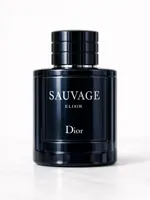
Sauvage Elixir
Parfum · 2021
Dior
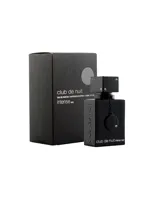
Club de Nuit Intense Man
EDP · 2015
Armaf
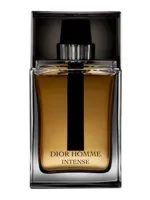
Homme Intense
EDP · 2011
Dior
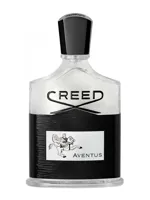
Aventus
EDP · 2010
Creed
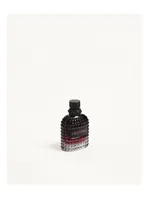
Born In Roma Uomo Intense
EDP · 2023
Valentino
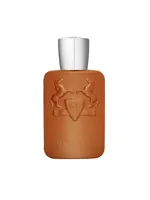
Althaïr
EDP · 2023
Parfums de Marly
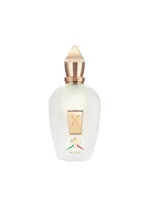
Naxos
EDP · 2015
Xerjoff
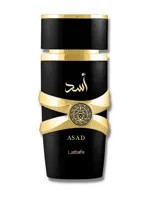
Asad
EDP · 2021
Lattafa
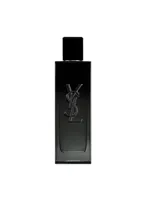
MYSLF
EDP · 2023
Yves Saint Laurent
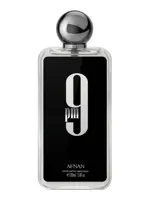
9pm
EDP · 2020
Afnan
Common questions
What are the most common fragrance allergens on perfume labels?
On the lists we hold, limonene, linalool, citral are named most often, on 89%, 88% and 77% of them. Each has its own page above.
Does a named allergen mean a perfume is unsafe?
No. The European Commission states that an ingredient appearing in the list does not mean the product is unsafe. The name is there so people who already know they react to a substance can find it.
Why does a Great Britain label name fewer allergens than an EU one?
Great Britain's list has 26 entries. The EU added 56 in 2023, with products new to its market bound from 31 July 2026 and products already on sale until 31 July 2028. A perfume sold in both can print different names for each.
Do US perfume labels name fragrance allergens?
Not as a federal rule. A fragrance can still be listed as "fragrance", and as of October 2026 the FDA has not issued the proposed rule on naming allergens. Check the date on this page, because that can change.
Can a perfume contain an allergen that is not on the label?
It can. A substance need only be named above 0.001% in a leave-on product, and the rest of the fragrance may sit inside the word "parfum". A list that does not name a substance does not prove it is absent.