
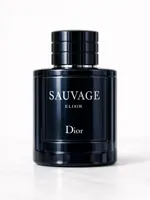
Sauvage Elixir
Parfum · 2021
Dior
Acquired
Fragrance allergen
Linalool is a monoterpenoid alcohol found in many plants and essential oils, including lavender, coriander and rosewood. Perfumers use it for a fresh, floral lift with a citrus edge, and most perfume-grade material is made synthetically. It is named on EU labels because it is an established contact allergen, particularly once it has oxidised in air.
Linalool occurs in many essential oils. A US National Toxicology Program summary gives ho leaf at 80-90%, bois-de-rose at 65-90%, coriander at 60-80% and lavender at 20-50%. It can be distilled from rosewood, linaloe and coriander seed oils. Most perfumery-grade linalool is synthetic, for example from alpha-pinene in turpentine oil.
Soft, fresh and floral with a citrus edge. Descriptions on The Good Scents Company include citrus, orange, floral, sweet, woody and rose, with a slightly waxy, terpene-like side.
Linalool works as a natural top note and gives a mellow, fresh character to floral and non-floral fragrances alike. It is used in large quantities in soap and detergent products. It also turns up as a flavouring in beverages and foods. Its soft sweetness differs from related alcohols such as geraniol and citronellol.
Named on 88% of the 6,851 perfume ingredient lists we hold (6,059 perfumes).
Linalool is on the EU list of fragrance allergens under Annex III of the Cosmetics Regulation. It must be named on a label above 0.001% in leave-on or 0.01% in rinse-off products. The SCCS found its allergenicity closely tied to oxidation, with hydroperoxides as the main allergens, and says it autoxidises on air exposure. A 2023 review lists linalool among weak-to-moderate (CLP category 1B) skin sensitisers.
A list that does not name it does not prove it is absent: brands only have to name it above the threshold.
Share of the perfumes we hold a list for, in each concentration.
Share of the lists naming Linalool that also name each of these.
Parfum · 2021
Dior
EDP · 2015
Armaf
EDP · 2011
Dior
EDP · 2010
Creed
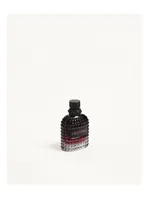
EDP · 2023
Valentino
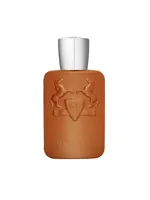
EDP · 2023
Parfums de Marly
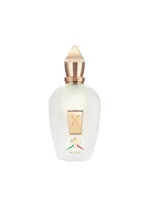
EDP · 2015
Xerjoff
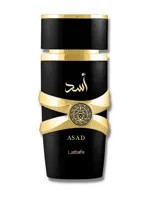
EDP · 2021
Lattafa
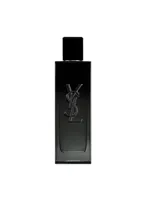
EDP · 2023
Yves Saint Laurent
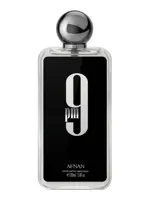
EDP · 2020
Afnan
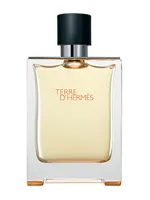
EDT · 2006
Hermès
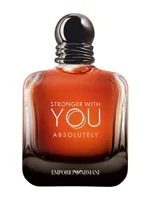
Parfum · 2021
Giorgio Armani
Linalool smells fresh and lightly floral, with a citrus and slightly woody edge. Supplier descriptions list citrus, orange, floral, sweet and rose, with a waxy side. The Good Scents Company also records a woody shade.
Both exist. Linalool occurs naturally in oils such as rosewood, coriander seed and lavender. A US government summary states that most perfumery-grade linalool is synthetic, with one route starting from alpha-pinene in turpentine oil.
EU rules list linalool as a named fragrance allergen. Products must declare it above 0.001% in leave-on or 0.01% in rinse-off products. The SCCS lists it among established contact allergens, noting that its oxidation products are the main concern.
New finds, honest verdicts, and price drops.
No spam. Unsubscribe anytime. See our privacy policy.