
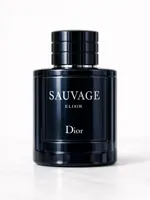
Sauvage Elixir
Parfum · 2021
Dior
Acquired
Fragrance allergen
Citronellol is a fragrance alcohol with a fresh, rosy smell. It occurs in rose and geranium oils and in citronella oils, and it is also made industrially. It is one of the most widely used rose-type ingredients in perfumery, and it turns up in soaps, detergents and other household products as well.
Citronellol is found in rose oil and geranium oil as the l-form, and in Ceylon and Java citronella oils as the d-form. PubChem lists it as present in over 30 essential oils, plus fruits, wine, beer and black tea. Commercially it is made by hydrogenating nerol and geraniol, which come from pinene, or by fractionally distilling geranium or citronella oil.
A fresh, rosy odour. Reference sources describe it simply as a rose smell. Perfumers use it for rose notes and for floral blends in general.
Citronellol is one of the most widely used fragrance materials, mainly for rose notes and floral blends. It is stable, so it works well in soaps, detergents and household products. It is also the starting point for other aroma chemicals, such as rose oxide and citronellyl esters, and it is a component of citronella oil, used in candles and insect repellents.
Named on 74% of the 6,851 perfume ingredient lists we hold (5,038 perfumes).
In opinion SCCS/1459/11, the EU's Scientific Committee on Consumer Safety lists citronellol among established contact allergens in humans, and notes that it autoxidises on contact with air. It was already regulated under Annex III of the EU Cosmetics Regulation when the SCCS reported. Most company notifications to ECHA carry the H317 skin sensitiser statement. IFRA's index of Standards (51st Amendment) lists citronellol as a Restriction dated 2020.
A list that does not name it does not prove it is absent: brands only have to name it above the threshold.
Share of the perfumes we hold a list for, in each concentration.
Share of the lists naming Citronellol that also name each of these.
Parfum · 2021
Dior
EDP · 2015
Armaf
EDP · 2011
Dior
EDP · 2010
Creed
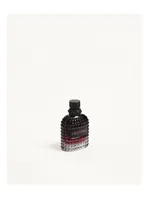
EDP · 2023
Valentino
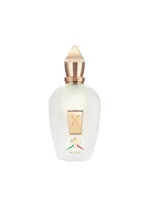
EDP · 2015
Xerjoff
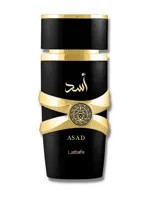
EDP · 2021
Lattafa
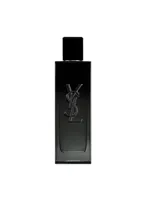
EDP · 2023
Yves Saint Laurent
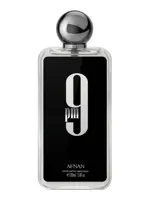
EDP · 2020
Afnan
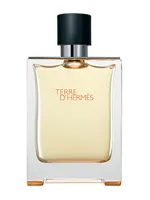
EDT · 2006
Hermès
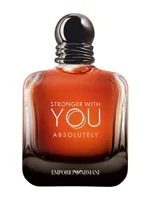
Parfum · 2021
Giorgio Armani
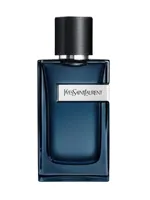
EDP · 2018
Yves Saint Laurent
Reference sources describe a fresh, rosy odour. It is used mainly for rose notes and for floral perfumes in general, and as a starting material for other rose-type aroma chemicals.
Both. It occurs naturally in rose and geranium oils and in citronella oils. Commercial supplies are made by hydrogenating geraniol or nerol, which come from pinene, or by distilling geranium or citronella oil.
EU rules oblige makers to name certain fragrance allergens once they pass 0.001 per cent in a leave-on product or 0.01 per cent in a rinse-off one. Citronellol is on that list. The point is to let people who already react to it spot it.
New finds, honest verdicts, and price drops.
No spam. Unsubscribe anytime. See our privacy policy.