
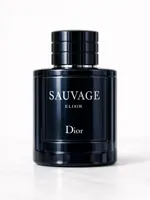
Sauvage Elixir
Parfum · 2021
Dior
Acquired
Fragrance allergen
Limonene is a hydrocarbon found in citrus peel oils, where it can reach 90 per cent, and it has a fresh citrus smell. Industry recovers it mainly from peel left over from juice making. Perfumers use it to build citrus openings and add lift. It is named on labels because limonene that has oxidised in air can act as a sensitiser.
Limonene occurs in orange, lemon, grapefruit, bergamot, caraway, dill, peppermint and spearmint oils. Citrus peel oils are the richest source, with levels up to 90 per cent, and most commercial limonene is recovered from peel as a by-product of fruit juice production. Citrus makes the (R)-form, so most limonene sold is that form. It can also be made from alpha-pinene, and it arises as a by-product of terpineol manufacture.
A sweet, fresh orange-peel smell with a zesty edge. Sources describe it as "citrus orange fresh sweet", "sweet, citrus and peely" and "pleasant lemon-like". Its mirror-image form, l-limonene, smells more terpenic and conifer-like.
Perfumers use limonene to rebuild citrus notes of every kind and to give a fragrance lift and freshness, and it blends easily with other citrus materials. It sits in the head and heart of a composition. Away from perfume it is a flavouring, a solvent and wetting agent, and an ingredient of floor waxes and furniture polishes.
Named on 89% of the 6,851 perfume ingredient lists we hold (6,117 perfumes).
The SCCS opinion SCCS/1459/11 lists d-limonene among its less frequently reported List B fragrance chemicals and names limonene as a prehapten, a substance that needs activation such as air oxidation. The EU Annex III listing for limonene carries a peroxide value limit of below 20 mmol/L. The IFRA Standard for limonene is a specification asking for low peroxide levels. ECHA notifications summarised by PubChem include H317, "May cause an allergic skin reaction".
A list that does not name it does not prove it is absent: brands only have to name it above the threshold.
Share of the perfumes we hold a list for, in each concentration.
Share of the lists naming Limonene that also name each of these.
Parfum · 2021
Dior
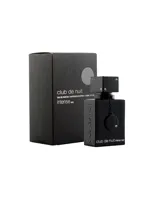
EDP · 2015
Armaf
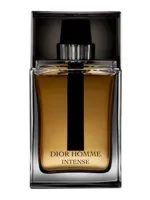
EDP · 2011
Dior
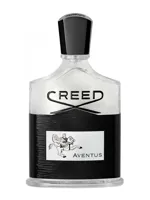
EDP · 2010
Creed
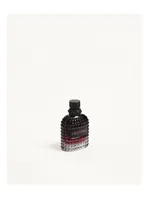
EDP · 2023
Valentino
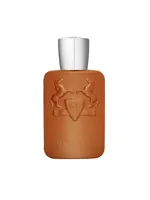
EDP · 2023
Parfums de Marly
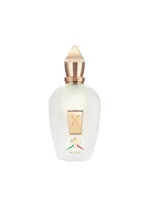
EDP · 2015
Xerjoff
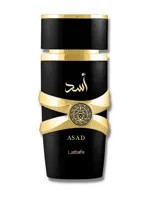
EDP · 2021
Lattafa
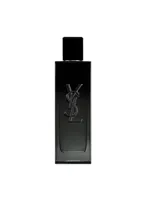
EDP · 2023
Yves Saint Laurent
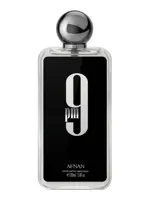
EDP · 2020
Afnan
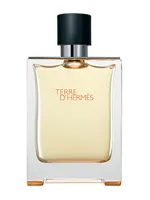
EDT · 2006
Hermès
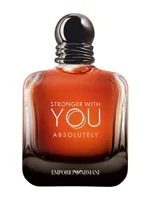
Parfum · 2021
Giorgio Armani
Limonene smells of fresh, sweet citrus, much like orange peel. The common d-form is described as zesty and orange, while the mirror-image l-form is more terpenic and conifer-like. In perfumery it adds brightness and lift to citrus accords.
Both routes exist. It is most often obtained naturally from citrus peel, where a simple distillation gives it in its natural state. It can also be made from alpha-pinene, as a by-product of terpineol manufacture.
EU rules require limonene to be named in the ingredient list when it is present above 0.001 per cent in leave-on products or 0.01 per cent in rinse-off ones. It is on the allergen list because its oxidation products have been identified as sensitisers.
New finds, honest verdicts, and price drops.
No spam. Unsubscribe anytime. See our privacy policy.