
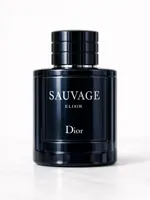
Sauvage Elixir
Parfum · 2021
Dior
Acquired
Fragrance allergen
Coumarin is a sweet-smelling crystalline compound found notably in the tonka bean. In perfumery it brings a warm, hay-like, vanilla-tinged sweetness and helps other notes last. Industry also makes it by synthesis. Under EU rules it must be named on a label once it passes set concentration limits.
Coumarin occurs naturally in tonka beans, cassia and lavender oils. It is also reported in woodruff, bison grass and melilot (sweet clover). Factories make it synthetically instead. One route is the Perkin reaction, in which salicylaldehyde reacts with acetic anhydride in the presence of sodium acetate to give coumarin and acetic acid.
Sweet and warm, like new-mown hay with a vanilla and tonka bean edge. Arctander called it herbaceous-warm and somewhat spicy, turning more hay-like, nut-like and tobacco-like when very dilute.
Perfumers use coumarin to support herbaceous notes such as lavender, lavandin, rosemary, citrus oils and oakmoss, and as a fixative. One classic account calls it almost a standard ingredient of fougere types. Outside perfume it has been used in soaps, tobacco and rubber products, and was formerly important as a food flavour.
Named on 60% of the 6,851 perfume ingredient lists we hold (4,122 perfumes).
Coumarin is one of the original 26 fragrance allergens the EU requires to be named on labels. The SCCS opinion SCCS/1459/11 places it in List A, the most frequently reported and well-recognised consumer allergens. Naming applies above 0.001% in leave-on and 0.01% in rinse-off products. IFRA has a Standard restricting its level by product type. In ECHA notifications aggregated by PubChem, 92.9% of those giving hazard codes include H317 (skin sensitiser).
A list that does not name it does not prove it is absent: brands only have to name it above the threshold.
Share of the perfumes we hold a list for, in each concentration.
Share of the lists naming Coumarin that also name each of these.
Parfum · 2021
Dior
EDP · 2011
Dior
EDP · 2023
Valentino
EDP · 2015
Xerjoff
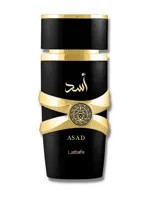
EDP · 2021
Lattafa
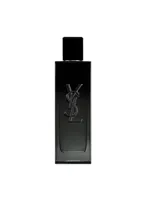
EDP · 2023
Yves Saint Laurent
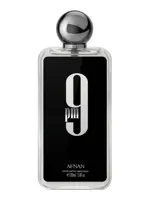
EDP · 2020
Afnan
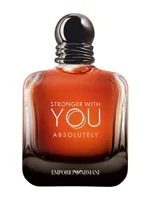
Parfum · 2021
Giorgio Armani
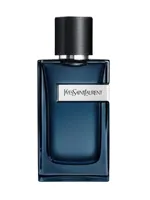
EDP · 2018
Yves Saint Laurent
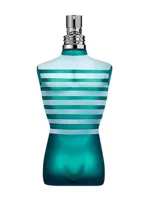
EDT · 1995
Jean Paul Gaultier
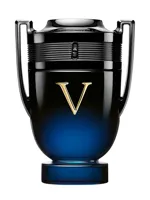
EDP · 2023
Rabanne
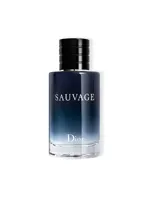
EDT · 2015
Dior
It smells sweet and warm, like new-mown hay with a vanilla and tonka bean edge. Sources describe it as herbaceous-warm and somewhat spicy, and more hay-like or nut-like when very dilute.
Both exist. It occurs naturally in tonka beans, cassia and lavender oils, and it is also made industrially, for example by the Perkin reaction from salicylaldehyde. The molecule is the same either way.
EU rules treat coumarin as a fragrance allergen. It has to be named in the ingredient list, rather than sitting under Parfum, when it exceeds 0.001% in leave-on products or 0.01% in rinse-off products.
New finds, honest verdicts, and price drops.
No spam. Unsubscribe anytime. See our privacy policy.