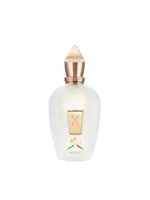
Naxos
EDP · 2015
Xerjoff
Statement
Catalogue
Every perfume marketed to everyone, sold as unisex or gender-neutral fragrance, each with a verdict on how it smells, how long it lasts and what it costs.
A unisex perfume is one marketed to everyone rather than to men or to women. The label is about marketing, not chemistry: gender in scent is cultural, Nez magazine argues, and in the Middle East people of every gender happily wear rose and oud. Many gender-neutral launches balance woods, spice, florals and musk, Mintel says, but any style can be shared.
Some of the oldest styles in perfumery were always shared. Eau de cologne, a fresh blend of citrus with lavender and neroli, has been worn across the gender divide since the 18th century, and classical colognes are still made today. Niche perfumery, born in the late 1970s, has mostly chosen not to assign a gender at all.
Shared scent has a long history. Jean Patou's citrus Le Sien, whose name means both his and hers, appeared in 1927, and Edmond Roudnitska conceived Dior's Eau Sauvage of 1966 as unisex, though Dior marketed it to men. Calvin Klein's CK One, launched in 1994, was one of the first beauty products openly marketed to everyone, and its clean citrus scent changed the fragrance scene.
Unisex launches have grown since. A study of about 169,000 perfumes released since 1900 found unisex releases rising notably since the late 1990s, and Mintel counted gender-neutral launches growing from 17% of fragrance launches in 2010 to 51% in 2018. Younger shoppers in particular prefer individuality to traditional labels, Mintel says, and independent perfumers say dropping the idea that scent must match a gender has opened fragrance up to more people.
The share of perfumes in each group that list each note, sorted by unisex perfume.
| Note | Unisex | Men's | Women's |
|---|---|---|---|
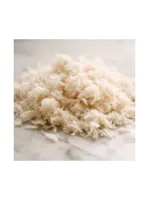 Musk |
40% | 35% | 51% |
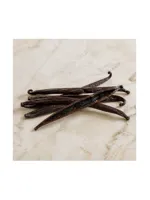 Vanilla |
34% | 23% | 42% |
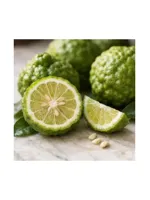 Bergamot |
30% | 46% | 30% |
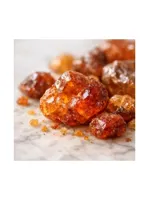 Amber |
29% | 34% | 29% |
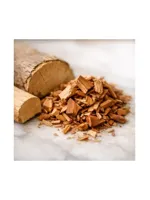 Sandalwood |
27% | 29% | 32% |
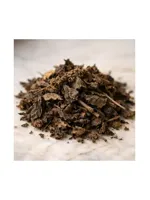 Patchouli |
27% | 39% | 24% |
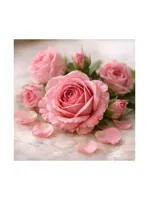 Rose |
26% | 12% | 39% |
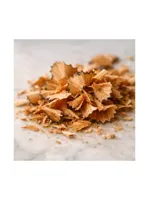 Cedar |
24% | 37% | 19% |
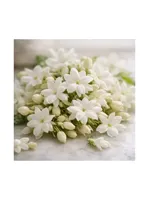 Jasmine |
24% | 17% | 45% |
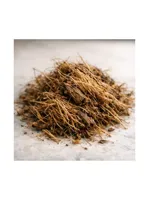 Vetiver |
16% | 30% | 10% |
Percentage points above or below the average of men's perfume and women's perfume.
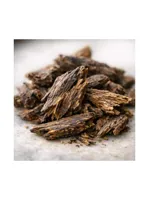 Oud
+8 pts
12% unisex · 5% men's · 2% women's
 Saffron
+7 pts
12% unisex · 6% men's · 3% women's
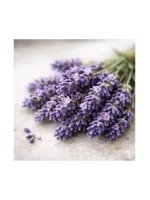 Lavender
-9 pts
9% unisex · 32% men's · 3% women's
Bergamot
-8 pts
30% unisex · 46% men's · 30% women's
Based on 54,465 perfumes with note lists in our catalogue: 9,207 marketed to men, 18,716 to women and 26,542 to everyone. Note lists do not show amounts or how strong a note smells.
The ones our readers look up most, not the best sellers.
EDP · 2015
Xerjoff

EDP · 2010
Le Labo

EDP · 2015
Maison Francis Kurkdjian
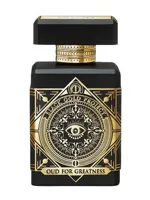
EDP · 2018
Initio Parfums Privés

EDP · 2011
Le Labo

EDP · 2016
Parfums de Marly
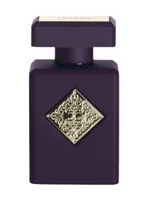
EDP · 2016
Initio Parfums Privés
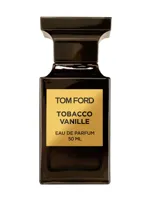
EDP · 2007
Tom Ford
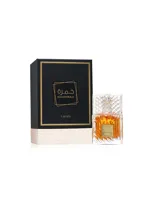
EDP · 2022
Lattafa
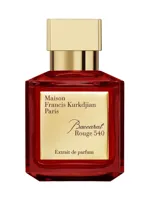
Extrait · 2017
Maison Francis Kurkdjian
A perfume marketed to everyone rather than to men or to women. It describes the marketing, not a particular smell, though many gender-neutral launches balance woods, spice, florals and musk, according to Mintel. Many niche houses never assign a gender at all.
Yes. Mintel counted gender-neutral launches rising from 17% of fragrance launches in 2010 to 51% in 2018, the Guardian reported, and a study of about 169,000 perfume releases found unisex launches climbing since the late 1990s. Mintel also finds younger shoppers in particular preferring individuality to traditional labels.
Shared scents are older than the unisex label, so there is no single first. Eau de cologne has been worn across the gender divide since the 18th century, Jean Patou's Le Sien of 1927 was named for both his and hers, and Calvin Klein's CK One of 1994 was one of the first beauty products openly marketed as unisex.
New finds, honest verdicts, and price drops.
No spam. Unsubscribe anytime. See our privacy policy.