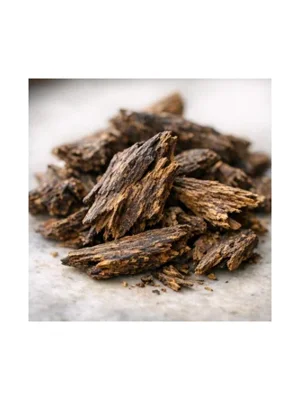
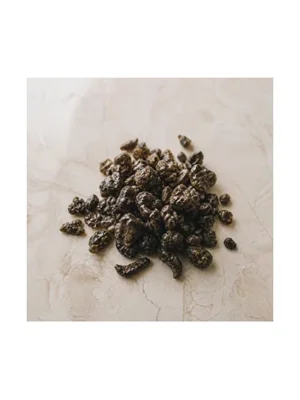
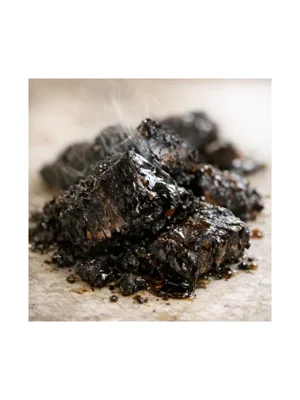
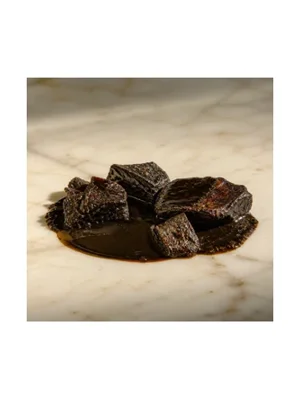
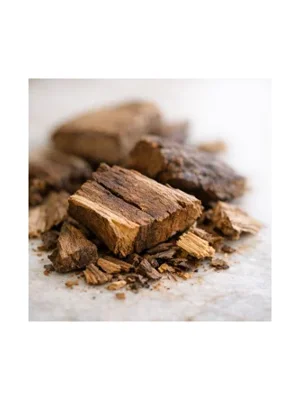
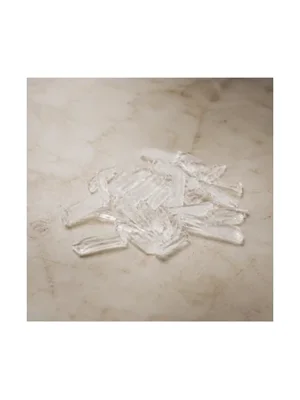
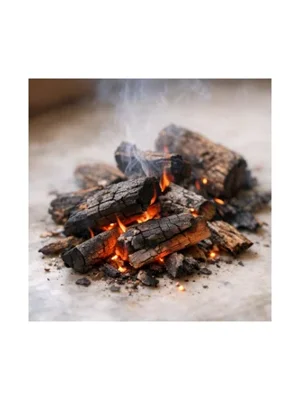
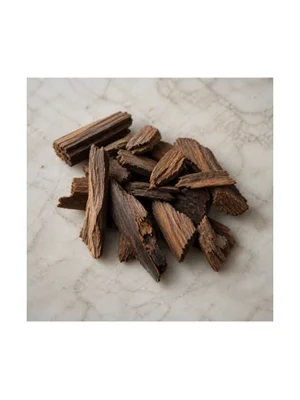
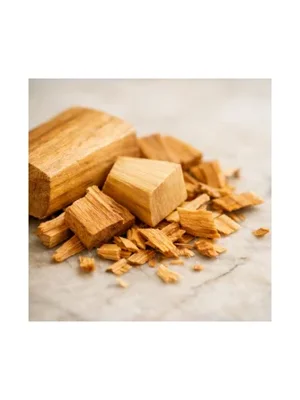
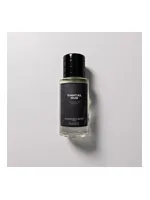
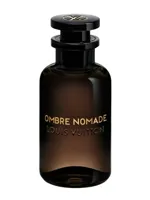
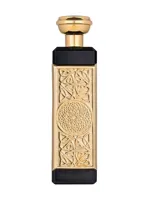
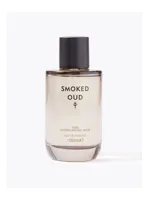
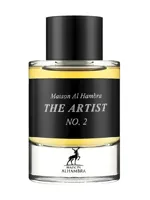
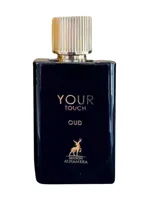
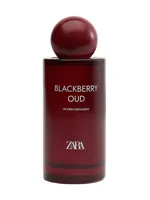
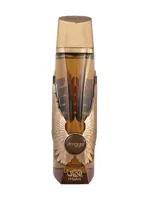
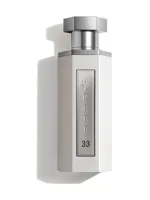
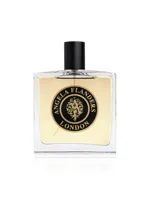
Oud has a deep, resinous, and woody aroma with complex facets of earth, leather, smoke, and subtle sweetness. The opening is sharply medicinal, all iodine and Band-Aid, and that phenolic edge is the part of oud people argue about. Within minutes it yields to wet leather, animalic warmth and smouldering incense over a balsamic base. The richness and longevity of oud make it a distinctive and powerful note in perfumery.
CORRECTED 2026-10-09. Oud is the resinous heartwood of Aquilaria trees infected by a fungus, and agarwood oil is distilled from it. The oil is sold, is on the IFRA list and is held, so it realises the note. Most oud perfumes use an accord instead, and its molecules are kept as contribution rows. Previously: Almost all commercial oud is a reconstruction; genuine agarwood oil is rare and not in the imported set.
Oud is derived from the resinous heartwood of Aquilaria trees, primarily found in Southeast Asia. The resin forms as a response to fungal infection, and it is extracted through distillation or solvent methods from aged, infected wood.
Usage in Perfumery
Perfumers use oud mainly as a base note due to its tenacity and depth. It is often blended with florals, spices, and other woods to create opulent, long-lasting compositions, and is especially prominent in Middle Eastern-inspired fragrances.
We count visits to see which pages help people and to improve the site.
No advertising, and no tracking across other sites.
Read our cookie policy
Cookie Preferences
Analytics is on unless you switch it off here. Essential cookies cannot be
disabled as they're required for the website to function.
Always On
Required for the website to function. Includes session management and security tokens.
Counts visits and which pages people use, so we can improve the site. We use
Google Analytics with its advertising features switched off, plus our own
cookieless visit counter. Switching this off stops both.