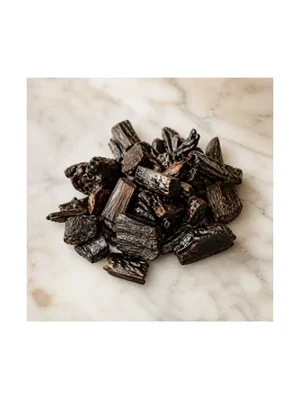
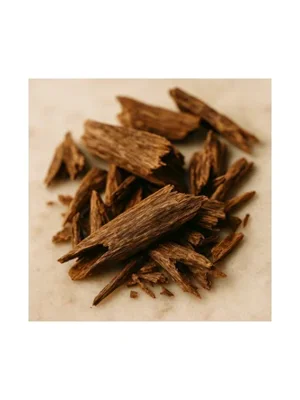
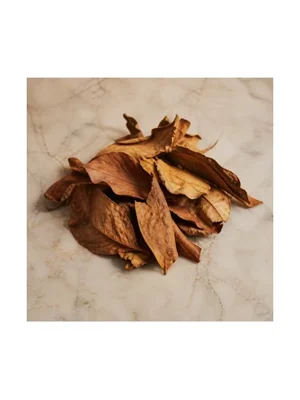
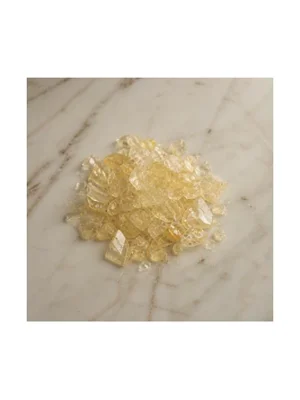
Cistanche names no single substance
ReconstructedA desert parasitic plant used medicinally, not extracted for odour.
Note Profile
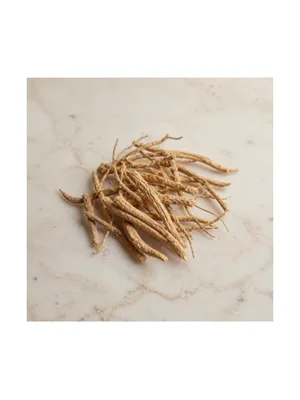
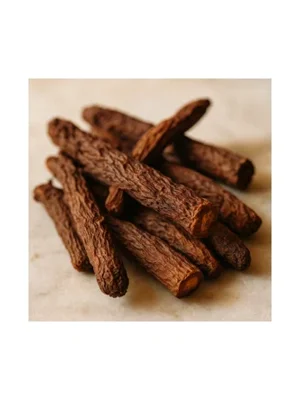
Cistanche refers to a small genus of parasitic desert herbs traditionally used in Chinese and East Asian medicine, particularly Cistanche deserticola and Cistanche tubulosa. While not a mainstream perfumery note, it can be interpreted as an exotic, rooty-herbal nuance with slightly sweet, earthy warmth inspired by the dried stems used in tonics. In fragrance writing, it would evoke desert plants, tonic roots, and subtly resinous, woody undertones rather than fresh green foliage.
In an olfactory context, Cistanche can be profiled as a **dry, rooty, herbal-woody note** with gentle sweetness and a muted earthy facet, reminiscent of dried tonic roots and traditional decoctions rather than vivid green herbs. It would likely show nuances of slightly caramelic, nutty, and resinous warmth, with a dusty, desert-like character and low volatility, sitting closer to base and heart rather than a sharp top note. Compared to other roots, it would be less pungent than ginseng and less camphoraceous than some Chinese herbs, leaning instead toward soft, brown, slightly leathery-earth facets.
Read off the wheel, not a label applied to the note.
A desert parasitic plant used medicinally, not extracted for odour.
Cistanche is a genus of parasitic plants in the Orobanchaceae family that grows in arid and semi-arid regions, especially deserts of northern China (Inner Mongolia, Xinjiang, Ningxia, Gansu, Qinghai) and parts of Central Asia and the Middle East. The plant attaches to the roots of host shrubs and produces fleshy flowering spikes that are harvested, sliced, and dried for use as the traditional medicinal material known as Rou cong-rong. Phytochemical studies show that Cistanche contains a high proportion of phenylethanoid glycosides and related compounds, which are extracted using water, ethanol, or hydroalcoholic methods for medicinal and functional-food applications, and similar extracts could theoretically be adapted as aromatic tinctures or CO2 extracts for niche perfumery.
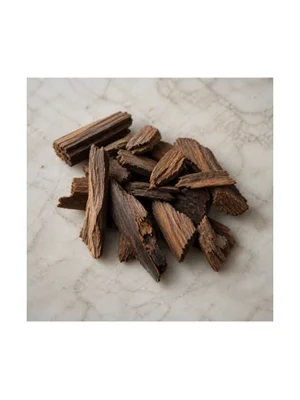
Although not a standard perfumery raw material, a Cistanche-inspired note would most logically be used in the **heart-to-base** of compositions to add a nuanced desert-herbal and rooty warmth. It would pair well with woody notes (cedar, sandalwood, guaiac), resins (labdanum, myrrh), and dry spices, supporting oriental, resinous, or incense-led structures with an unusual medicinal-amber nuance. Experimental or niche perfumers might employ a Cistanche accord in concepts built around traditional Chinese medicine, desert landscapes, or tonic roots, emphasizing its soft sweetness and earthy, slightly leathery undertones rather than freshness.
A selection of reviewed perfumes where Cistanche appears prominently.
New finds, honest verdicts, and UK price drops.
No spam. Unsubscribe anytime. See our privacy policy.