Bursera graveolens wood oil
A natural extractCAS 959130-05-3
Bursera graveolens IS palo santo - the note name is the Spanish common name for the species (IFRA NCS).
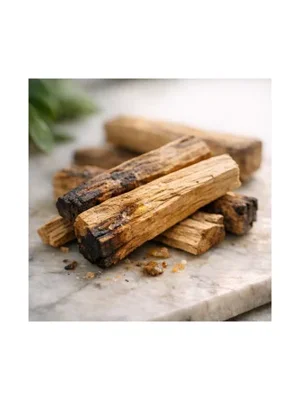
Note Profile
Sacred South American wood with mint, citrus, and resin facets
Palo Santo presents a distinctive woody aroma with pronounced resinous undertones, complemented by fresh mint and citrus nuances. Its scent evolves from a crisp, slightly herbal opening to a warm, balsamic drydown with subtle smoky and creamy facets. The complexity of its profile lends both freshness and depth to compositions.
Read off the wheel, not a label applied to the note.
CAS 959130-05-3
Bursera graveolens IS palo santo - the note name is the Spanish common name for the species (IFRA NCS).
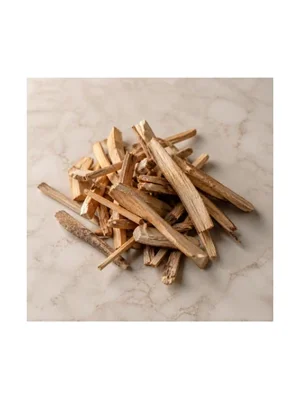
Palo Santo is sourced from the heartwood of Bursera graveolens, a tree native to South America, particularly Peru and Ecuador. The wood is typically harvested from naturally fallen branches and logs, then aged to concentrate its aromatic oils before steam distillation or dry distillation is used for extraction.
Perfumers use Palo Santo primarily as a heart or base note to impart a spiritual, meditative quality and to add complexity to woody, aromatic, and incense-inspired fragrances. It blends well with citrus, incense, amber, and other woods, as well as herbal and spicy notes for layered compositions.
Perfumers known for using Palo Santo include
Jérôme Epinette, Aurélien Guichard, Bertrand Duchaufour, Catherine Selig, Frank Voelkl, and Karine Dubreuil-Sereni
A selection of reviewed perfumes where Palo Santo appears prominently.

EDT · 2025
Karl Lagerfeld
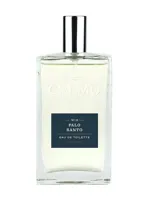
EDT · 2020
Cremo

Oil · 2021
Oil Perfumery

EDP · 2019
Régime des Fleurs

EDT · 2025
Snif
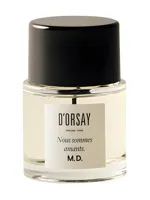
EDP · 2022
D’ORSAY

EDP · 2022
Givenchy

EDP · 2024
Rabanne
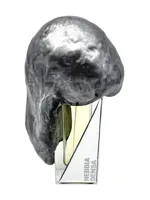
Extrait · 2025
Filippo Sorcinelli

Body Spray
Tom Ford
New finds, honest verdicts, and price drops.
No spam. Unsubscribe anytime. See our privacy policy.