The Dupe Chart
The 100 most-cloned originals of the 3,100 we hold dupes for, ranked by clone count.
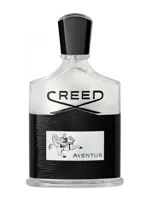

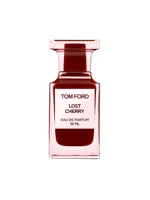



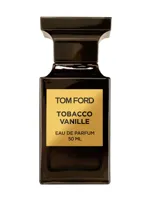
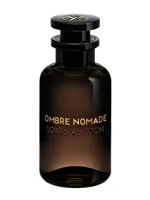
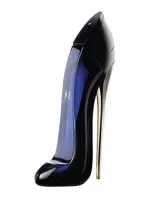
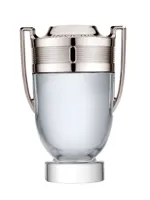
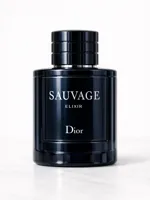
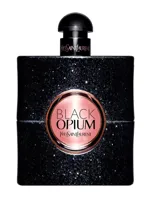




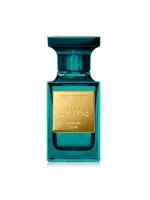
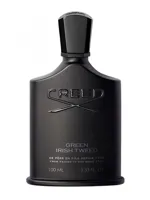


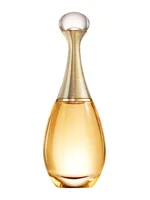

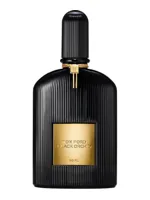


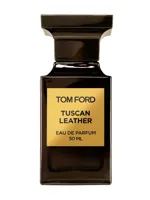
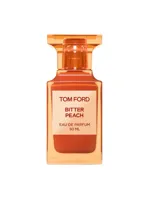


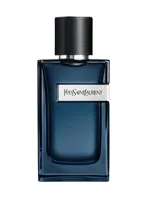

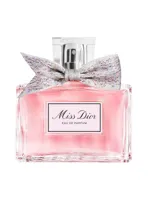
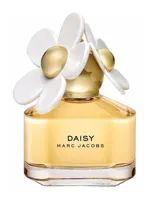

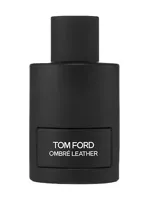
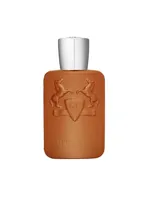

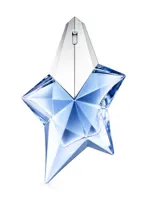

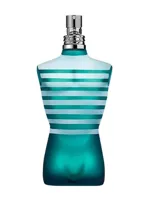


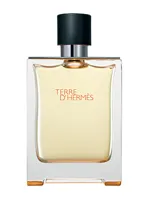


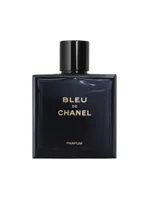

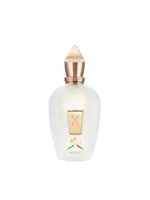


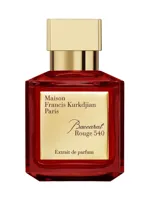


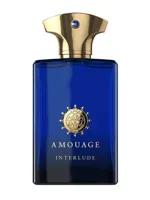


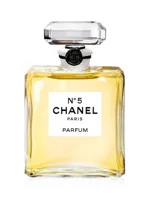



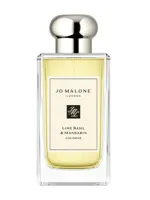






A perfume gets cloned when enough people want it and not enough can justify the price, so the pattern here tracks demand as much as it tracks price. Counts reflect our catalogue - 3,100 originals paired with dupes from 161 houses - not every clone in existence, and new pairings are added continually, so the chart moves.
Prices are per 100ml, not per bottle, so a 50ml designer bottle and a 100ml dupe can be compared at all. Dupes are independent fragrances inspired by the originals, not affiliated with or produced by them - read "cheaper" as a price gap, not money saved. That figure compares like with like: where no dupe of the original's strength is priced, the row shows the cheapest other strength and no percentage. Match scores are our estimate of how alike two perfumes smell, calculated from their published notes, not a measurement. How we score similarity. Browse every pair in the Dupe Index, compare the houses themselves in the Dupe League, or search one scent in the Dupe Finder.
Most cloned perfumes: common questions
What is the most cloned perfume?
Aventus Eau de Parfum leads this chart with 101 dupes we hold against it, from 54 separate dupe houses. A perfume gets cloned heavily when a lot of people want it and few can justify the price.
Why do some perfumes get cloned so much more than others?
Two things: demand and price. A scent everyone recognises but few can afford is the perfect clone target, which is why designer and niche icons dominate the top of the chart. The Houses column is the sharper signal - six houses independently copying a scent means the whole market wants it.
How is "most cloned" measured?
By how many published dupes we hold and have paired to each original - 3,100 originals across 161 dupe houses so far. It reflects our catalogue, which grows continually, not a census of every clone in the world, so the chart moves over time.