
























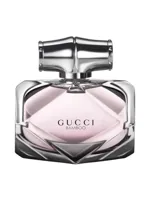
Bamboo
EDP
Gucci
Favourite
Italian designer house known for eclectic, bold, and fashion-forward fragrances with wide mainstream appeal.
Founded in Florence in 1921 by Guccio Gucci, Gucci stands as a symbol of Italian luxury and innovative craftsmanship. Inspired by the refined tastes of international travelers, Guccio set out to blend Florentine artistry with modern elegance, initially gaining fame for leather goods and equestrian-inspired accessories. The postwar era saw iconic creations like the Bamboo bag and the signature double-G logo, establishing Gucci as a global fashion authority. Throughout its rich history, the house has navigated family legacies, bold creative reinventions, and international expansion. Gucci fragrances debuted in 1974, with classics such as Gucci No. 1, L'Arte di Gucci, and the enduring Guilty, Flora, and Bloom collections. Esteemed creative directors including Tom Ford, Frida Giannini, and Alessandro Michele have shaped the brand's vision, infusing fragrances with both sensuality and eclectic artistry. Gucci's perfume portfolio is renowned for its unexpected blends and collaborations with master perfumers like Alberto Morillas, Dominique Ropion, and Michel Almairac. Now part of Kering, Gucci continues to set trends with a daring, imaginative spirit-balancing heritage with contemporary allure in every scent.
A designer, luxury house known for floral compositions.
Gucci’s fragrances began with classic leather and floral themes reflecting its luxury Italian heritage. The Tom Ford era (mid-1990s to early 2000s) brought bolder, sensual, and provocative scents. Under Frida Giannini, the house moved toward softer, more commercial compositions. Alessandro Michele’s period (2015-2022) introduced eclectic, retro-inspired, and highly floral creations such as Bloom, with a whimsical, maximalist style. Recent years have seen a focus on both rich, artistic luxury lines (The Alchemist’s Garden) and accessible, playful mainstream releases, balancing heritage with contemporary trends.
Gucci offers bold, instantly recognisable designer fragrances with strong floral and woody signatures. Great for style-conscious wearers, but not for those seeking subtlety or avant-garde perfumery.
Favourite - easy to wear anywhere · Statement - bold & distinctive · Acquired - bold, for fewer occasions
EDP
Gucci
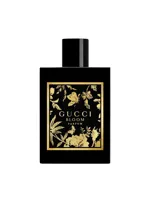
EDP
Gucci
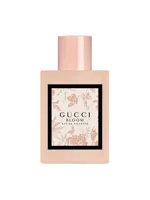
EDT
Gucci
EDP
Gucci
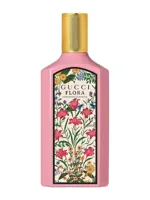
EDP
Gucci
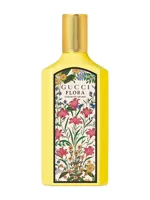
EDP
Gucci
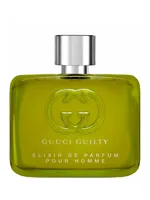
EDP
Gucci
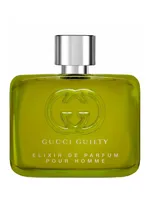
EDP
Gucci
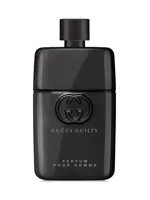
EDT
Gucci
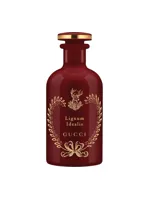
EDP
Gucci
New finds, honest verdicts, and price drops.
No spam. Unsubscribe anytime. See our privacy policy.