

















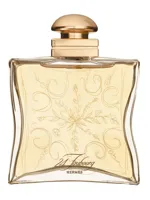
24 Faubourg
EDT
Hermès
Acquired
French luxury house renowned for refined, understated fragrances emphasizing natural ingredients and elegant minimalism.
Hermès is the epitome of French luxury and craftsmanship, founded in Paris in 1837 by Thierry Hermès as a harness and saddlery atelier. The house remains family-controlled and has evolved into a global icon, renowned for its meticulous approach to leather goods, silk, fashion, watches, and especially fragrance. Hermès entered perfumery in 1951 with Eau d’Hermès by Edmond Roudnitska and solidified its legacy with classics like Calèche and the innovative Hermessence line. The in-house perfumer tradition, notably embodied by Jean-Claude Ellena and now Christine Nagel, ensures an artistic, highly crafted vision, blending nature-inspired accords with subtle French elegance. Hermès fragrances are celebrated for their refinement, understated complexity, and innovative storytelling, from the garden-themed Jardins series to the iconic Terre d’Hermès and the exclusive Hermessence collection. The house’s dedication to artisanal excellence and independence results in unique, lasting scents that reflect its values of quality, creativity, and timeless sophistication.
A designer, luxury house known for fresh compositions.
Hermès' early fragrances, such as Eau d’Hermès and Calèche, leaned into classic French perfumery with a focus on leather and aldehydic florals. From the 2000s, under Jean-Claude Ellena, the brand shifted to transparent, minimalist, and nature-inspired scents, emphasizing freshness and subtlety. Recent years, under Christine Nagel, have introduced slightly denser, woodier, and sometimes more experimental directions, but the overall DNA remains refined and understated.
Hermès offers quietly luxurious, subtle fragrances built on natural ingredients and expert blending. Not for those seeking power or sweetness, but a benchmark for refined minimalism and fresh, elegant daily wear.
Favourite - easy to wear anywhere · Statement - bold & distinctive · Acquired - bold, for fewer occasions
EDT
Hermès
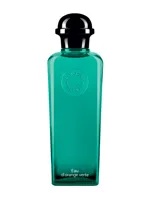
EDC
Hermès
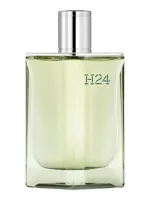
EDP
Hermès
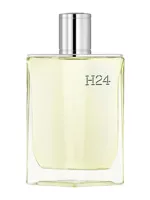
EDT
Hermès
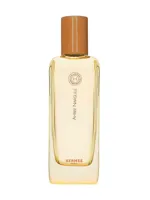
EDT
Hermès
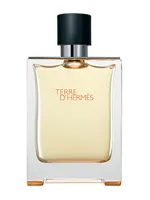
EDT
Hermès
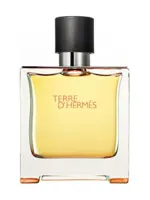
Parfum
Hermès
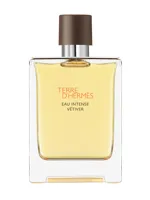
EDP
Hermès
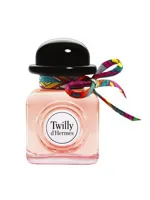
EDP
Hermès
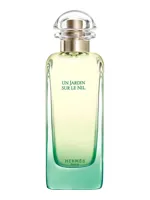
EDT
Hermès
New finds, honest verdicts, and UK price drops.
No spam. Unsubscribe anytime. See our privacy policy.