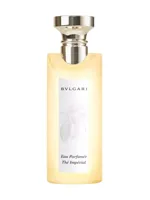
Eau Parfumée Thé Impérial
EDT · 2026
Bvlgari
Favourite
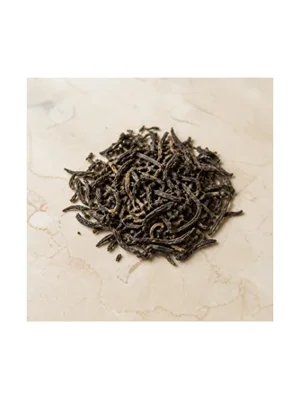
Note Profile
Aromatic Tea, Blue Tea, Fresh Tea, Tea Leaf
Tea, printed without a variety, names a fantasy accord rather than an extract. It is the fresh, green, transparent tea impression Jean-Claude Ellena built for Bvlgari in 1992 from ionones and hedione, and which the industry has copied ever since. Perfumers use it to add dry, astringent lift. It is not an average of the tea varieties, and it is not black tea: smoke and leather arrive only when a brand says black.
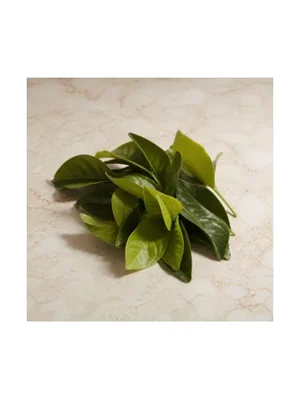
Tea is dry, papery and faintly astringent, and it reads as green above everything else: cut leaf and steam off a cup, sharp rather than sweet. Around that green core sit a powdery violet-leaf haze from the ionones, a transparent floral lift from hedione-type jasmine material, and a clean aquatic ozonic airiness - misty rather than marine - that is what perfumers mean when they call the note transparent. A dry woody frame of cedar and transparent woods anchors it and carries an aromatic herbal edge, the dried-plant half of the green family. Under all of it lies a soft tobacco hay warmth, the same violet-leaf and hay register that links tea to iris. A citrus brightness of bergamot runs through the opening. Traces of smoke, leather, orchard fruit and a cool minty salicylate flicker at the edges, but they never take over: that is what happens once a brand specifies black tea. Nothing here is sweet. The note dries skin rather than warming it.
Read off the wheel, not a label applied to the note.
Tea in perfumery is almost always a constructed accord, not a material. The molecules a nose reads as tea - theaspirane, the ionones, beta-damascenone - are carotenoid degradation products formed during withering and oxidation, so they are absent from the living leaf. Steam-distilled Camellia sinensis leaf oil is dominated by linalool and geraniol and smells floral rather than of tea. A natural tea absolute exists (CAS 84650-60-2, solvent-extracted from dried leaf) at $1,500-3,000/kg, but it works as a fixative and modifier and does not on its own give the cup-of-tea impression. Most commercial tea accords are therefore synthetic reconstructions at $50-200/kg. The genre begins with Bvlgari Eau Parfumee au The Vert (1992, Jean-Claude Ellena), who has said plainly that he made the note without smelling tea and that there is no tea in it, only illusion.
Perfumers place Tea in the heart, where it acts as a modifier and a bridge rather than a subject. It thins heavy florals, adds crispness and stops sweetness cloying, and it carries citrus, light florals, soft woods and musks. A balanced generic tea accord is roughly a quarter green tea absolute, a fifth bergamot, a fifth jasmine and a quarter cedarwood - green core, citrus lift, floral body, dry-woody anchor. Nothing in that recipe is smoky. Reach for black tea, lapsang souchong or matcha when a specific brew is wanted; bare Tea is the transparent, unplaced one.
Perfumers known for using Tea include
Alberto Morillas, Thierry Wasser, Delphine Jelk, Olivier Cresp, Jacques Cavallier-Belletrud, and Rodrigo Flores-Roux
A selection of reviewed perfumes where Tea appears prominently.
EDT · 2026
Bvlgari
EDP · 2022
Calvin Klein
EDP · 2023
Roger & Gallet
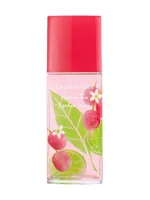
EDT · 2022
Elizabeth Arden
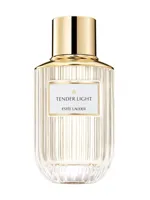
EDP · 2021
Estée Lauder
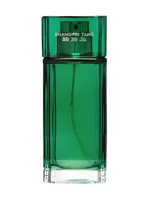
EDP · 2014
Shanghai Tang
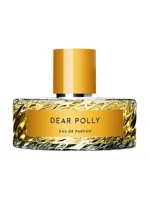
EDP · 2015
Vilhelm Parfumerie
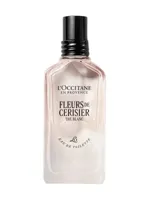
EDT · 2026
L'Occitane en Provence
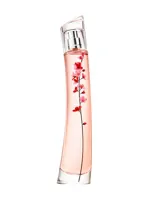
EDP · 2023
Kenzo
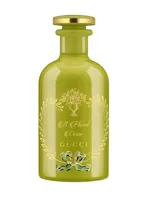
EDP · 2023
Gucci
New finds, honest verdicts, and price drops.
No spam. Unsubscribe anytime. See our privacy policy.