
Astral Oud
EDP
Perfume Parlour
Statement
Note Profile
Indonesian oud is agarwood oil from Indonesia. Most sources describe it as green, damp and earthy, with less of the barnyard note of Indian oud. Oils vary a lot by island and by distiller. One UK seller calls its Indonesian oil dark and dense, with smoke and leather.
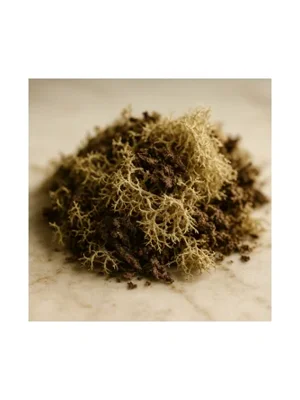
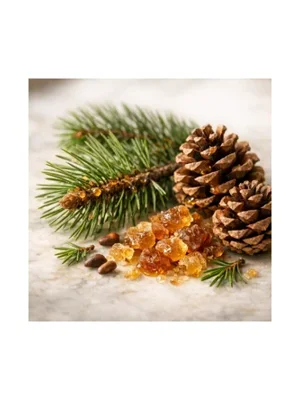
Indonesian oud smells of damp wood, wet moss and earth, with a green, herbal edge. Resin and a quiet smoke come through as it dries down. Animalic and leathery tones are mild next to Indian oud. Kalimantan oils read drier and more herbal. Papua oils read sweeter and more resinous. Some oils open with spice or a camphor-like freshness.
Read off the wheel, not a label applied to the note.
Tap a perfume to see where Indonesian Oud sits in it. The rest of the picture goes grey
Perfumers can make Indonesian Oud from this natural extract.
Smell words come from published sources.
A given perfume with this note may use this material, or something else.
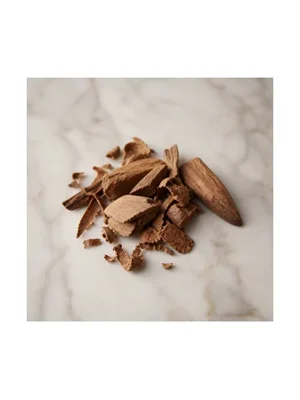
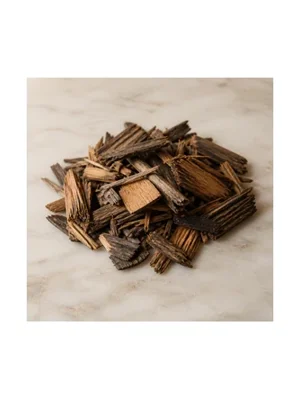
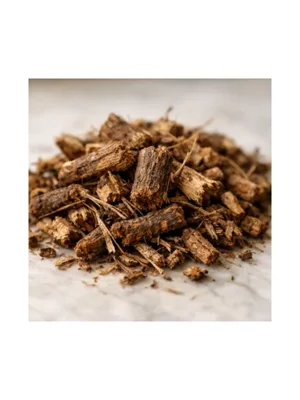
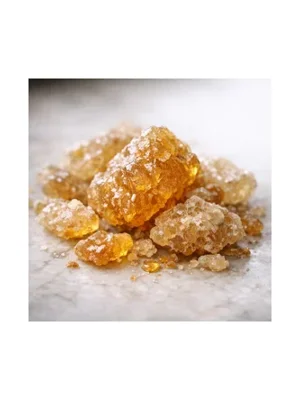
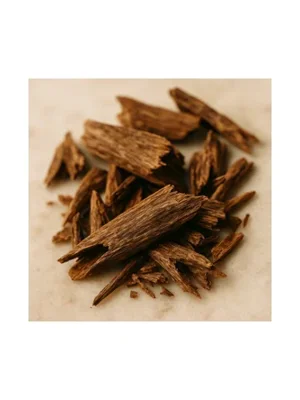
Indonesian oud is distilled from agarwood, the resin-rich heartwood that forms in Aquilaria and Gyrinops trees after fungal infection or injury. Aquilaria grows mostly in western Indonesia, including Kalimantan and Sumatra. Gyrinops dominates the east, including Papua. The resinous wood is steam- or hydro-distilled to give the oil. Most commercial Indonesian oud now comes from plantations in Kalimantan. All Aquilaria and Gyrinops species are listed on CITES Appendix II.
Perfumers use Indonesian oud as a base note. It gives a woody, earthy oud backbone with less animalic weight than Indian oud. It suits green-woody and forest accords, and it bridges synthetic oud molecules and darker oud oils. Ermenegildo Zegna's Indonesian Oud (2019) pairs oud with rose, patchouli, amber and bergamot.
A selection of reviewed perfumes where Indonesian Oud appears prominently.
New finds, honest verdicts, and price drops.
No spam. Unsubscribe anytime. See our privacy policy.