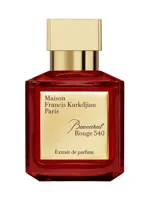
Baccarat Rouge 540
Extrait · 2017
Maison Francis Kurkdjian
Acquired

Warm, resinous, cozy
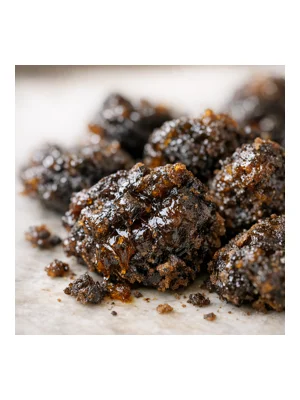
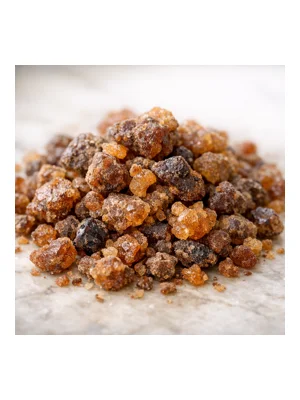
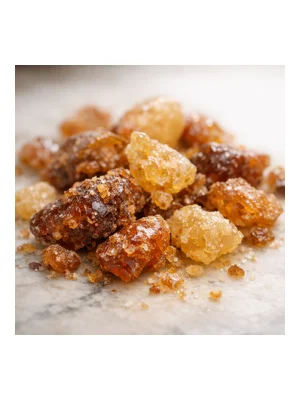
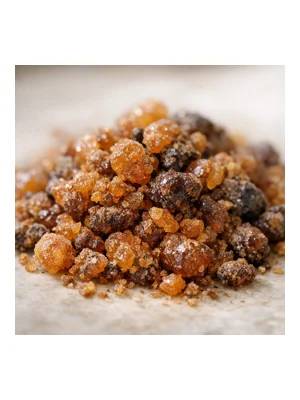
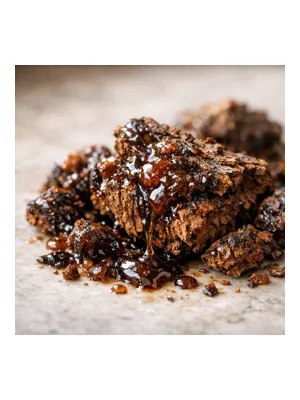
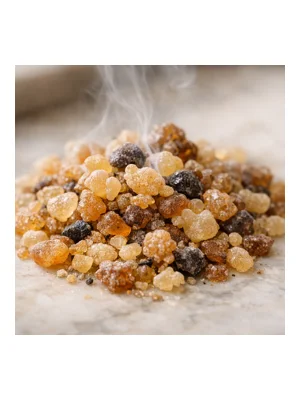
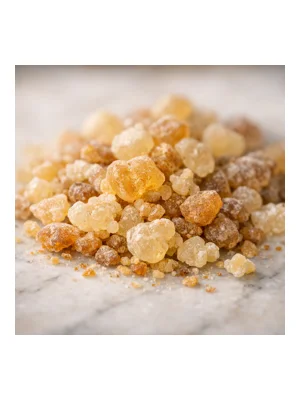
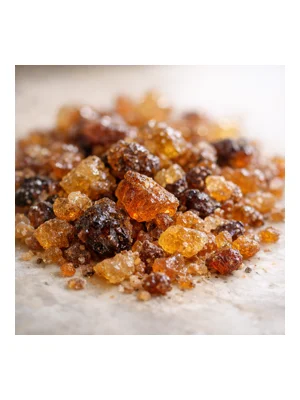
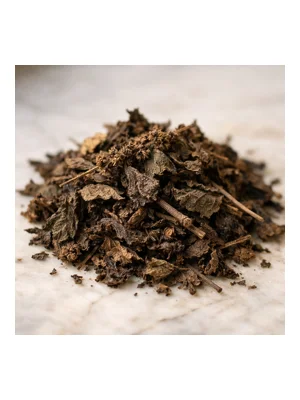
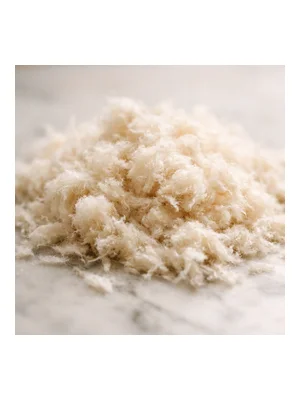
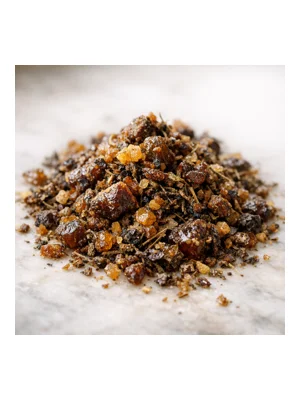
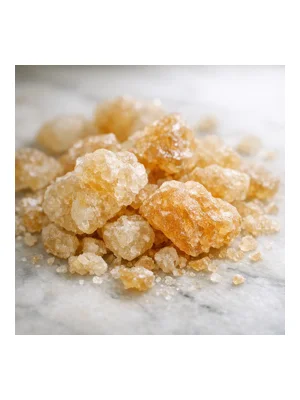
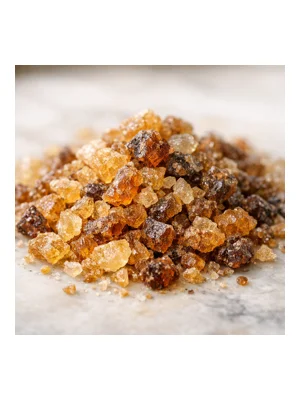
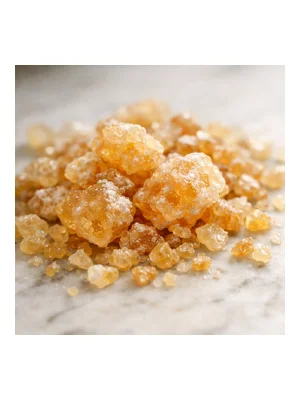
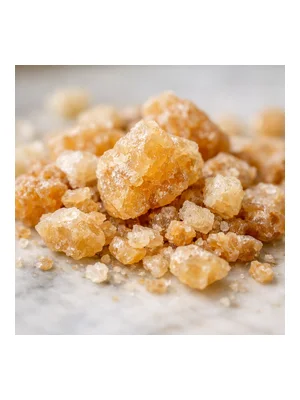
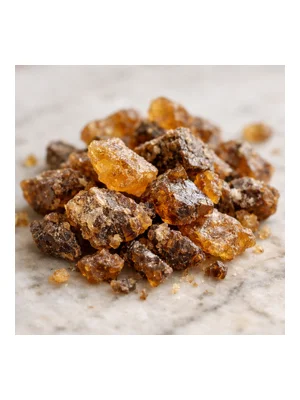
Amber accords are characterized by a warm, resinous, and slightly sweet aroma, often described as cozy and enveloping. They typically blend notes such as labdanum, benzoin, vanilla, and modern synthetics like ambroxan to create a rich, golden warmth. The accord can have powdery, balsamic, or even faintly animalic undertones depending on its composition.
Notes most distinctively associated with Amber fragrances.
Notes most frequently found in Amber fragrances.
The amber accord emerged in late 19th-century perfumery as a way to evoke the scent of natural ambergris, which is rare and costly. Early amber accords combined resins and vanilla to mimic the warmth and depth of ambergris, becoming a cornerstone of oriental fragrances. Over time, the accord evolved with the introduction of synthetic materials, broadening its use and accessibility.
Perfumers use the amber accord primarily as a base note to provide longevity, depth, and a sense of warmth in a fragrance. It is commonly paired with spices, florals, and woods, and is a key component in oriental and gourmand compositions. Amber accords help anchor lighter top and heart notes, lending structure and persistence to the overall scent.
A selection of reviewed perfumes built around Amber.
Extrait · 2017
Maison Francis Kurkdjian
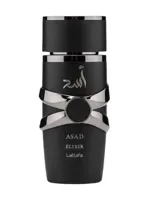
Extrait · 2025
Lattafa
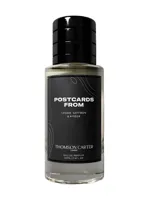
EDP · 2023
Thomson Carter
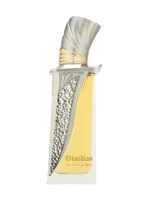
Extrait · 2025
French Avenue
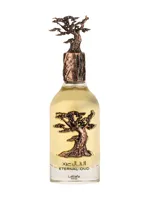
EDP · 2022
Lattafa
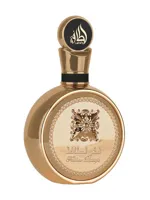
Extrait · 2023
Lattafa
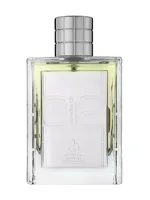
EDP · 2022
Maison Alhambra
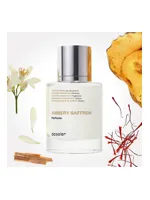
EDP · 2024
Dossier
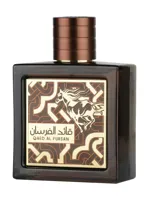
EDP · 2025
Lattafa
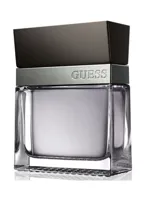
EDT · 2011
Guess
New dupes, honest verdicts, and UK price drops.
No spam. Unsubscribe anytime. See our privacy policy.