




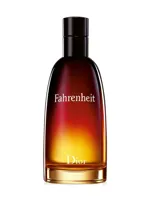
Fahrenheit
EDT · 1988
Dior
Acquired

Leather, suede, smoky
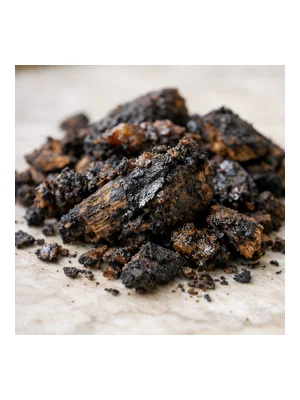
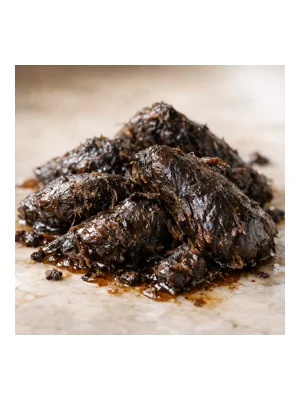
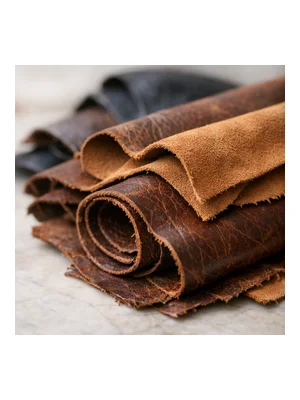
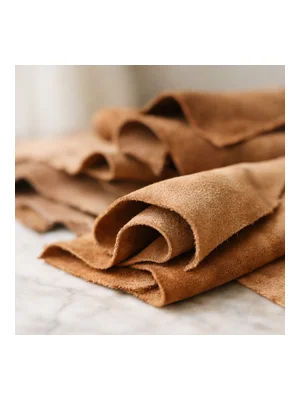
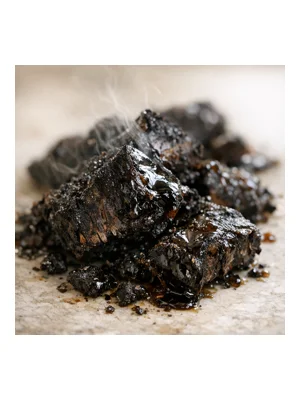
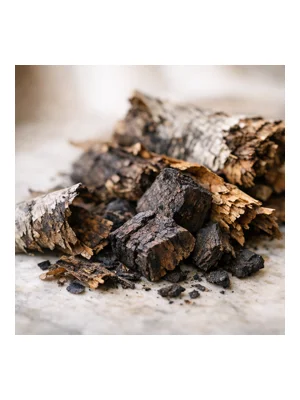
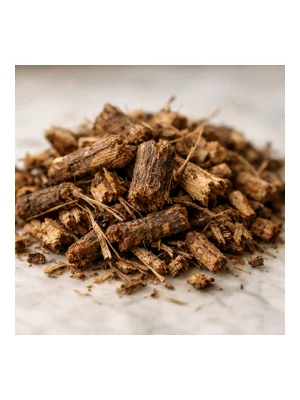
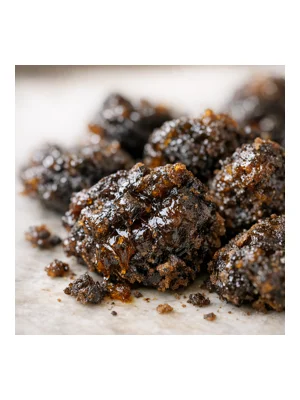
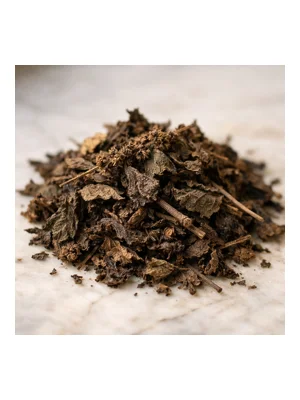
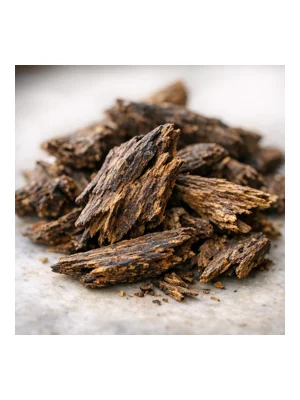
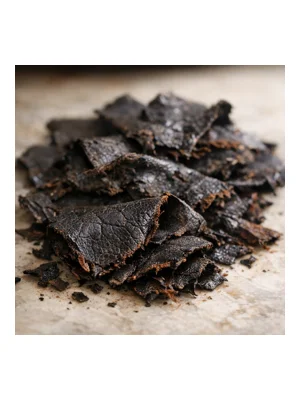
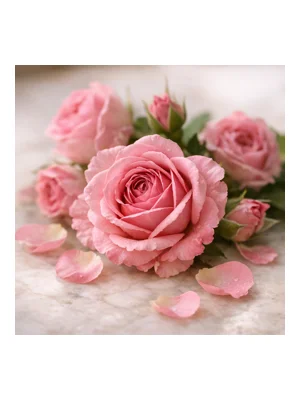
Leather accords evoke the smell of tanned hides, often combining smoky, animalic, and slightly bitter nuances. They can range from dry and austere to soft and suede-like, with underlying notes reminiscent of birch-tar, castoreum, and sometimes tobacco. The overall character is warm, robust, and evocative of treated leather goods.
Notes most distinctively associated with Leather fragrances.
Notes most frequently found in Leather fragrances.
Leather is one of the oldest accords in perfumery, originating from the scents used to mask the odor of leather gloves in Renaissance Europe. Early leather scents were achieved using natural materials like birch-tar and castoreum, which imparted a distinctively smoky and animalic aroma. The accord became especially prominent in the 20th century with the rise of classic leather fragrances.
Perfumers use leather accords to add depth and complexity, often as a dominant note in masculine or unisex fragrances. Leather is commonly paired with floral, woody, or spicy notes to balance its intensity, and it typically appears in the heart or base of a composition. It is valued for imparting a sophisticated, textured quality to perfumes.
A selection of reviewed perfumes built around Leather.
EDT · 1988
Dior
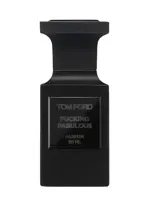
EDP · 2025
Tom Ford
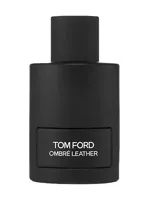
EDP · 2018
Tom Ford
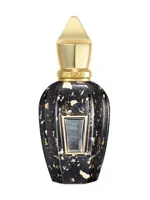
Parfum · 2024
Xerjoff

EDP · 2025
Street Origins
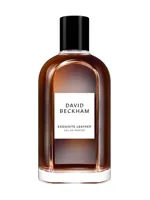
EDP · 2024
David Beckham
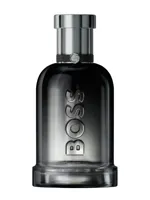
EDP · 2025
Hugo Boss
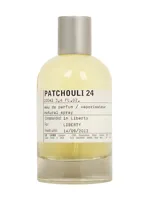
EDP · 2006
Le Labo
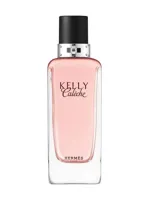
EDT · 2007
Hermès
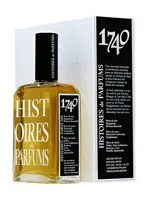
EDP · 2000
Histoires de Parfums
New dupes, honest verdicts, and UK price drops.
No spam. Unsubscribe anytime. See our privacy policy.