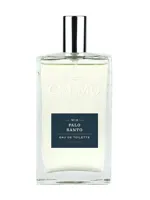
Palo Santo
EDT · 2020
Cremo
Statement
Note Profile
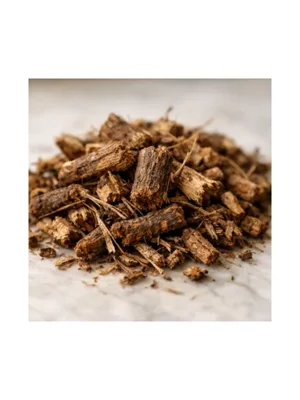
Papyrus is a dry, woody note with earthy, smoky and leathery tones and a spicy edge. Perfumers and glossaries compare it to aged paper or parchment. In most perfumes the material behind the name is cypriol (nagarmotha), the rhizome oil of a related sedge.
Papyrus smells dry, woody and aromatic, like aged parchment crossed with dusty vetiver. It has earthy, smoky and leathery tones and a light peppery edge. It smells nothing like a wet marsh. The rare Egyptian absolute is stranger: salty, mushroom-like and bready, drying down to aged paper and dry wood.
Read off the wheel, not a label applied to the note.
Tap a perfume to see where Papyrus sits in it. The rest of the picture goes grey
Papyrus is Cyperus papyrus, a tall sedge of the Nile Delta and tropical Africa. The oil sold as papyrus oil is steam-distilled from the rhizome of Cyperus scariosus, the source of cypriol. A true Cyperus papyrus absolute is made in Egypt by solvent extraction. Its supplier says it comes from the flowering head. One glossary says the rhizome.
Perfumers use papyrus in the base of a composition for dry woody depth and a paper-like texture. It gives a spicy, earthy lift to vetiver and other woods. It blends with vetiver, cedar, incense, leather and dry musks. It is more common in Indian perfumery.
Perfumers known for using Papyrus include
Jérôme Epinette, Alberto Morillas, Dorothée Piot, Michel Almairac, Anne-Sophie Behaghel, and Christophe Raynaud
A selection of reviewed perfumes where Papyrus appears prominently.
EDT · 2020
Cremo

EDP · 2011
Jovoy Paris

EDP · 2024
La Manufacture

EDP · 2026
Vilhelm Parfumerie

EDP · 2018
Bond No. 9

EDP · 2018
Clive Christian Perfume
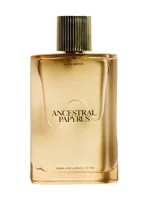
EDP · 2021
Zara
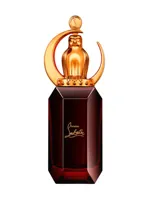
EDP · 2021
Christian Louboutin

EDP · 2008
Goutal

EDP · 2022
Givenchy
New finds, honest verdicts, and price drops.
No spam. Unsubscribe anytime. See our privacy policy.