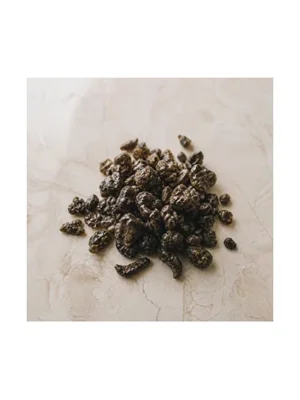
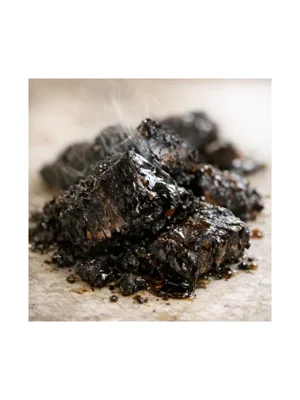
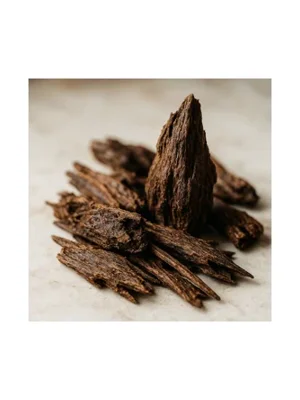
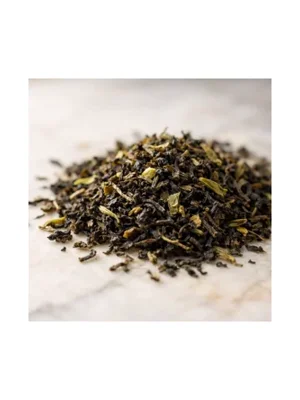
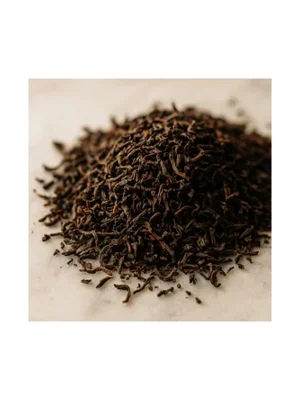
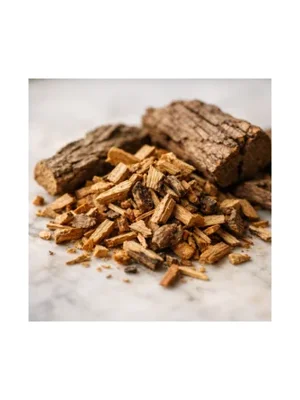
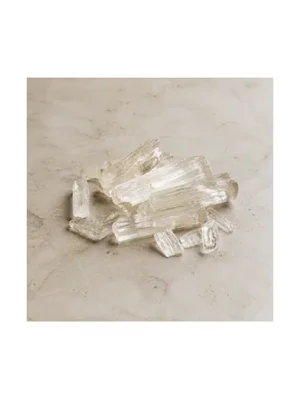
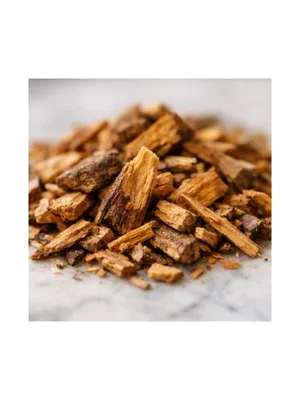
Castoreum absolute
A natural extractCAS 8023-83-4
Castoreum absolute (IFRA NCS). Genuine castoreum is rare and expensive; most modern 'castoreum' is a reconstruction, but the material exists and is used.
Note Profile
Leathery, animalic
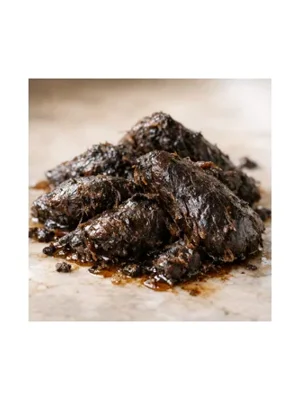
Castoreum has a rich, leathery scent with pronounced animalic facets and a phenolic opening that is sharp and almost medicinal - creosote, birch tar, old saddle leather, the inside of a tannery. The phenols are dietary: 4-ethylphenol, catechol, guaiacol and salicylaldehyde, metabolites of the beaver's birch, willow and poplar. The heart is a warm, fur-like animality that is unmistakably biological. It dries down soft, sweet and vanillic, ending closer to amber than to leather, and persists 24 to 48 hours on a blotter.
Read off the wheel, not a label applied to the note.
CAS 8023-83-4
Castoreum absolute (IFRA NCS). Genuine castoreum is rare and expensive; most modern 'castoreum' is a reconstruction, but the material exists and is used.
Traditionally, castoreum is obtained from the castor sacs of beavers, where it is secreted as part of their scent-marking. In perfumery, the raw material is aged and tinctured in alcohol to mellow its intensity, though modern usage often relies on synthetic substitutes due to ethical and regulatory considerations.
Perfumers use castoreum primarily as a base note, lending longevity and a leathery-animalic foundation to fragrances. It is commonly blended with woods, resins, florals, and other animalic notes to add realism and complexity, especially in leather, chypre, and oriental accords.
Perfumers known for using Castoreum include
Roja Dove, Francesca Bianchi, Andy Tauer, Christian Provenzano, Christopher Sheldrake, and Dorothée Piot
A selection of reviewed perfumes where Castoreum appears prominently.
EDP
Perfume Parlour
EDP
Al Haramain Perfumes
EDP · 2013
Boadicea the Victorious
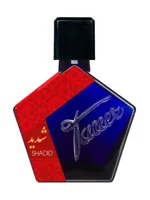
Extrait · 2025
Tauer Perfumes
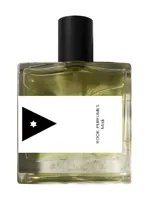
EDP · 2022
Rook Perfumes
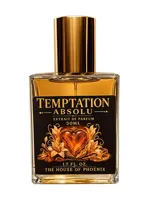
Extrait · 2026
The House of Phoenix
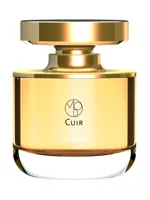
EDP · 2010
Maison Mona di Orio
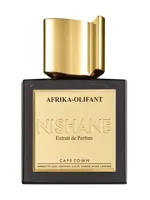
EDP · 2015
Nishane
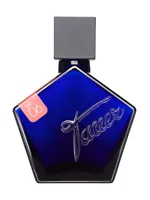
EDP · 2008
Tauer Perfumes
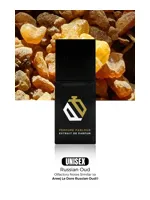
EDP
Perfume Parlour
New finds, honest verdicts, and price drops.
No spam. Unsubscribe anytime. See our privacy policy.