


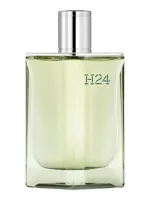
H24
EDP · 2022
Hermès
Favourite

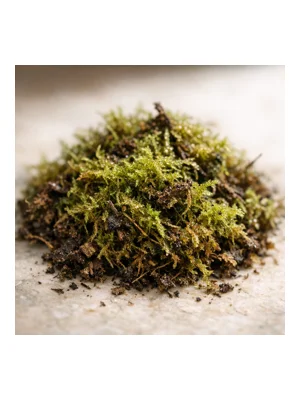
Damp forest floor, oakmoss, and chypre character
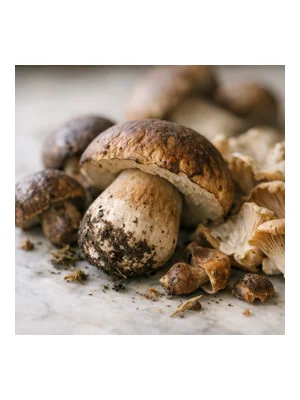
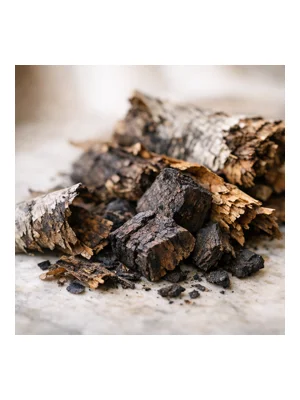
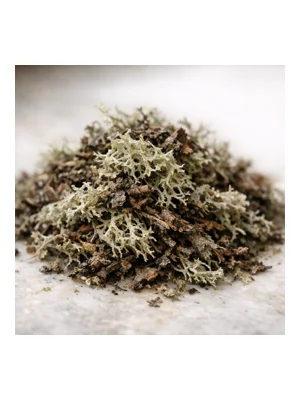
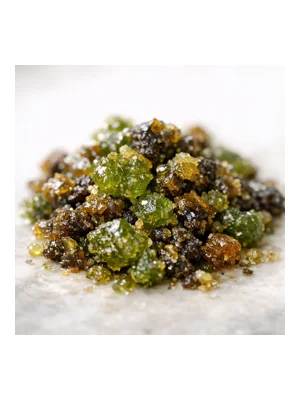
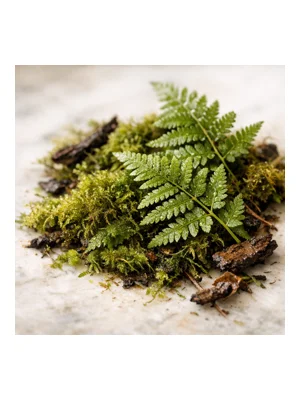
Mossy accords evoke the scent of a damp forest floor, characterized by earthy, slightly sweet, and woody notes. They often have a cool, green depth with nuances of wet leaves and soil, primarily derived from oakmoss and complemented by patchouli and vetiver. The overall impression is grounding and natural, with a subtle powdery undertone.
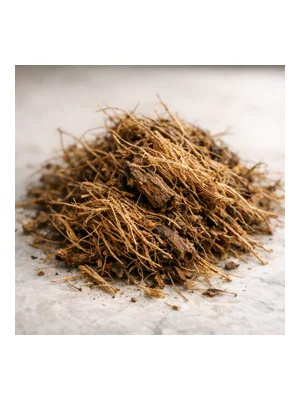
Notes most distinctively associated with Mossy fragrances.
Notes most frequently found in Mossy fragrances.
The mossy accord became prominent in early 20th-century perfumery, especially with the rise of the chypre family after the release of Chypre de Coty in 1917. Oakmoss, a key component, was historically harvested from tree bark in Europe and became a defining element in classic French perfumery. Regulatory restrictions on oakmoss in recent decades have led to the development of synthetic substitutes to maintain the mossy character.
Perfumers use mossy accords as base notes to provide depth, longevity, and a naturalistic finish to fragrances. They are essential in chypre and fougère compositions, often paired with citrus, floral, or woody elements to balance freshness and earthiness. Mossy accords anchor the fragrance structure, supporting brighter top and heart notes.
A selection of reviewed perfumes built around Mossy.
EDP · 2022
Hermès
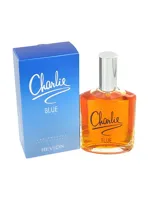
EDT · 1973
Revlon
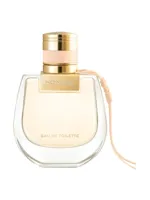
EDT · 2019
Chloé
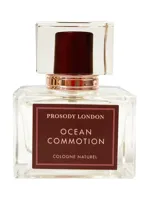
EDC · 2019
Prosody London
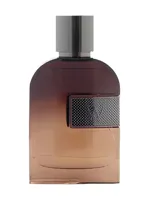
EDP · 2025
Arabian Oud
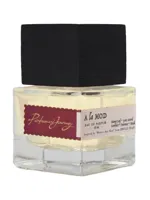
EDT · 2026
Perfumers' Journey
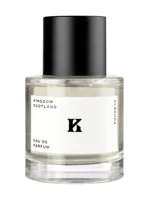
EDP · 2019
Kingdom Scotland
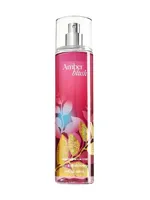
EDT · 2025
Bath & Body Works
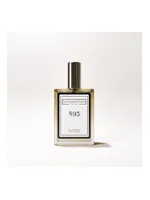
EDP
The Essence Vault
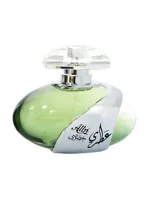
EDP
Lattafa
New dupes, honest verdicts, and UK price drops.
No spam. Unsubscribe anytime. See our privacy policy.