

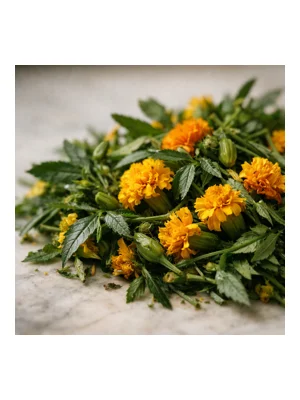
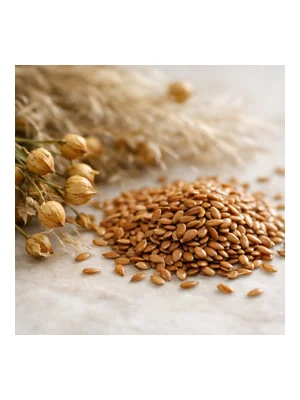
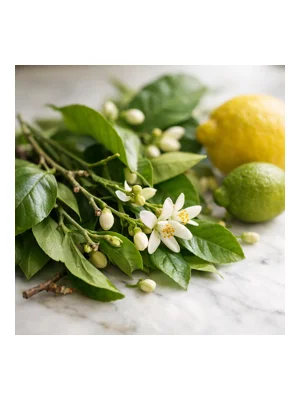
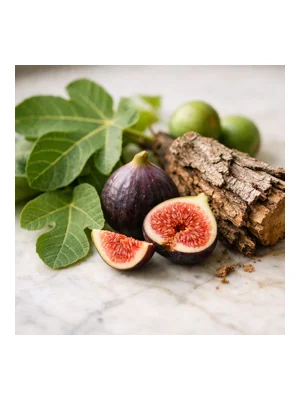

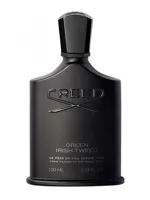
Green Irish Tweed
EDP · 1985
Creed
Favourite

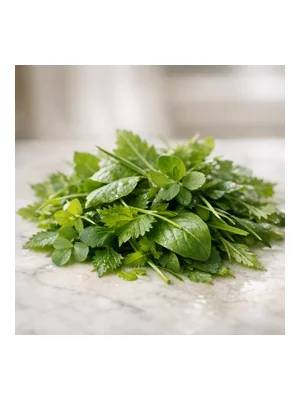
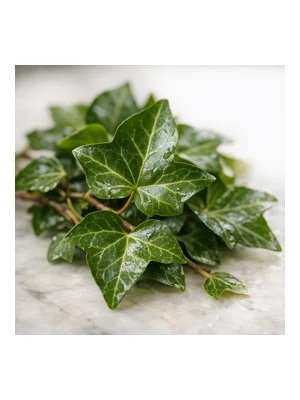
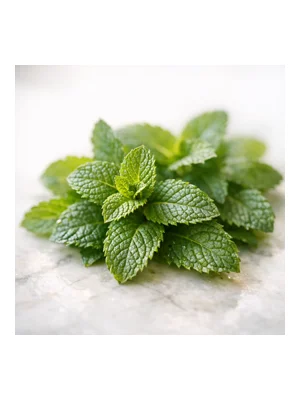
Leafy, grassy, herbal
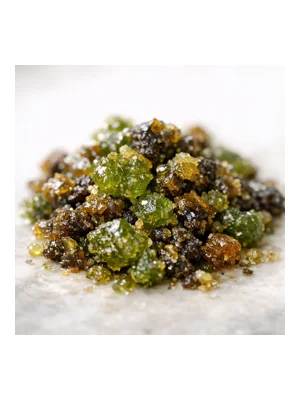
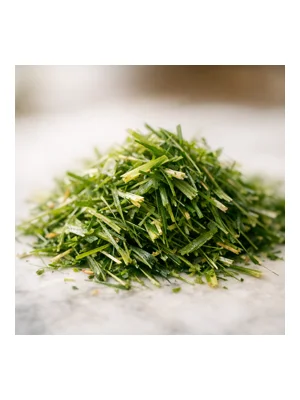
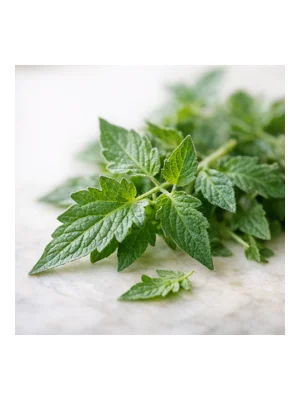
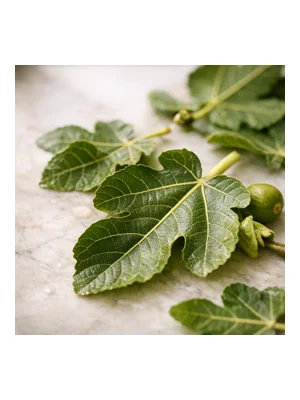
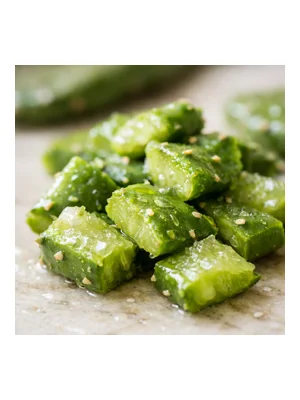
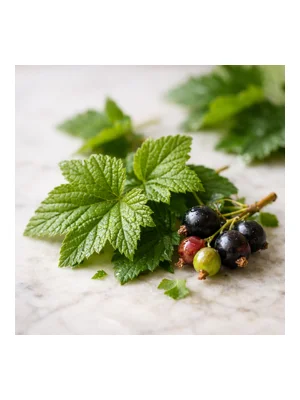
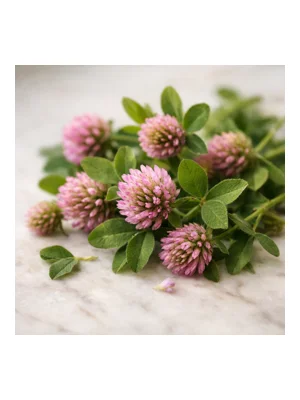
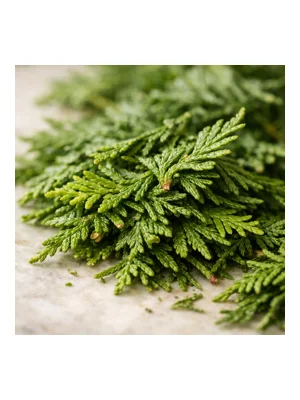
Green accords evoke the scent of freshly cut grass, crushed leaves, and stems, often with a crisp, cool, and slightly bitter character. They can range from sharp and vivid to soft and dewy, typically imparting a sense of freshness and naturalness. Key characteristics include leafy, herbal, and sometimes vegetal nuances.
Notes most distinctively associated with Green fragrances.
Notes most frequently found in Green fragrances.
Green accords gained prominence in modern perfumery during the mid-20th century, notably with the introduction of galbanum in classic fragrances such as Balmain's Vent Vert (1947). Their use marked a shift toward more naturalistic and less sweet scent profiles. The accord reflects a broader trend of incorporating nature-inspired elements into perfumery.
Perfumers use green accords to add freshness, vibrancy, and a naturalistic quality to compositions, often in top or heart notes. They are commonly paired with floral, citrus, or woody notes to balance their sharpness and enhance complexity. Green accords are frequently found in chypre, fougère, and modern fresh fragrances.
A selection of reviewed perfumes built around Green.
EDP · 1985
Creed

EDP · 2024
Jean Paul Gaultier

EDT · 1995
Hugo Boss
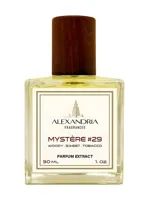
Extrait · 2020
Alexandria Fragrances
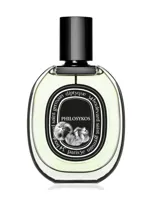
EDP · 2012
Diptyque

EDP · 2024
Zoologist Perfumes
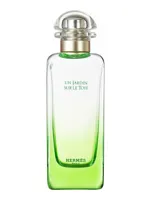
EDT · 2011
Hermès
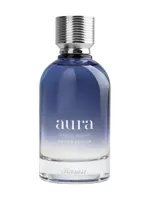
EDP · 2024
Rasasi
EDP · 2013
Clinique
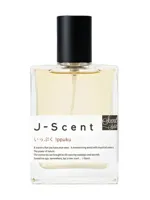
EDP · 2026
J-Scent
New dupes, honest verdicts, and UK price drops.
No spam. Unsubscribe anytime. See our privacy policy.