Flax names no single substance
ReconstructedLinseed oil is a drying oil, not an odorant.
Note Profile
In perfumery, flax presents a soft, subtly nutty, and slightly earthy scent with a gentle green undertone. It evokes the aroma of dried linen or linen seeds, bringing a clean, natural, and comforting nuance to fragrances. This note is often used to add a fresh, textile-like facet to compositions.
Flax in perfumery offers a soft, subtly nutty aroma over a slightly oily, fatty seed-oil texture, with gentle green and earthy undertones. Its scent is reminiscent of dried linen, linen seeds and clean natural fibres, the clean-musk laundry character carrying it to a mild, comforting warmth. The note is understated, providing a textile-like freshness without sharpness.
Read off the wheel, not a label applied to the note.
Linseed oil is a drying oil, not an odorant.
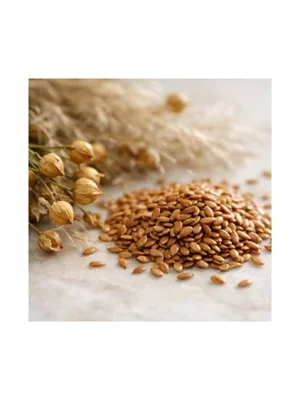
Flax is derived from the seeds of the Linum usitatissimum plant, commonly cultivated for both its fiber and oil. In fragrance, the scent is typically recreated using natural isolates and synthetic molecules to capture the nuanced aroma of flax seeds and linen. Direct extraction is rare, so perfumers rely on accords to evoke its characteristic scent.
Perfumers use flax primarily in the heart or top of compositions to impart a clean, natural, and subtly green effect. It blends well with musks, soft woods, and light florals, enhancing the impression of freshness and comfort. Flax is valued for adding a refined, textile-like nuance to modern and minimalist fragrances.
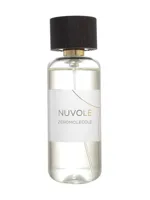
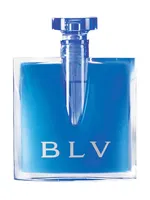
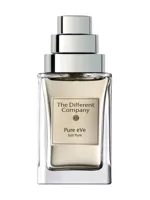
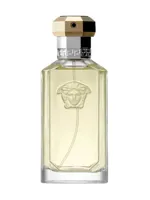
A selection of reviewed perfumes where Flax appears prominently.
New finds, honest verdicts, and price drops.
No spam. Unsubscribe anytime. See our privacy policy.