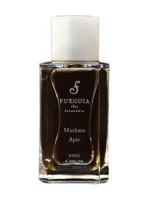
Muskara Apis
EDP · 2017
Fueguia 1833
Statement
Note Profile
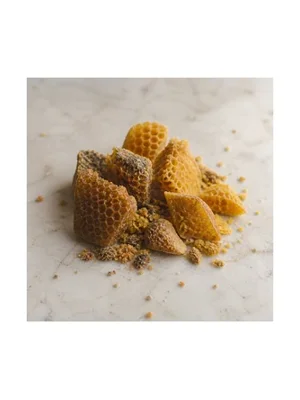
The smell of the live hive, not of one hive product. Warm and waxy-honeyed, with dust from the pollen, a dark resinous edge from the propolis, and a faint animal muskiness from the bees themselves.
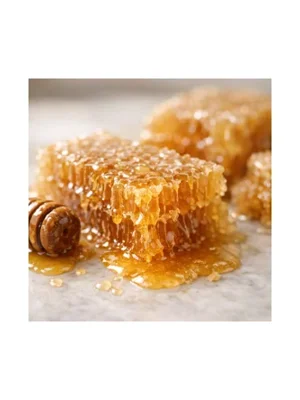
Western honey bee is the smell of the live hive, warm and waxy-honeyed. Honey and beeswax lead. A dusty, sweet powdery quality comes from the pollen. A faint animal muskiness from the bees themselves runs underneath, more noticeable than in plain beeswax. A dark, resinous edge comes from the propolis, next to a light green freshness. Underneath sits a dry tobacco and dried-hay warmth.
Read off the wheel, not a label applied to the note.
Tap a perfume to see where Western Honey Bee sits in it. The rest of the picture goes grey
Apis mellifera, the western honey bee. Nothing is distilled from the bee itself. The note is built from what the hive makes. Premiere Peau defines it as 'not honey alone but the complete olfactory environment of a beehive: beeswax (warm, honeyed), propolis (resinous, slightly medicinal), pollen (dusty, sweet), royal jelly (slightly acidic), and the pheromone-rich air of tens of thousands of living bees'. The pheromones are named compounds: geraniol, citral and neral, plus isopentyl acetate, the alarm pheromone that GoldBio says 'smells like the aroma of bananas'. A second GoldBio line reports the queen's drone-attracting pheromone 'smells lemony'.
A composed hive accord, built rather than bought. Beeswax absolute leads it, with honey, propolis and pollen materials around it. This data set already publishes its five parts separately: beeswax, honeycomb, propolis, pollen and royal jelly. This note is the whole together, including the air. It pairs with floral naturals, labdanum and amber bases.
A selection of reviewed perfumes where Western Honey Bee appears prominently.
New finds, honest verdicts, and price drops.
No spam. Unsubscribe anytime. See our privacy policy.