Walnut names no single substance
ReconstructedNo walnut material is produced for perfumery. The note is built over nutty and woody materials.
Note Profile
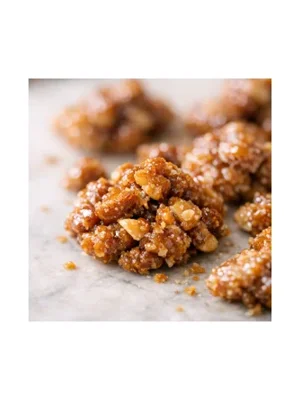
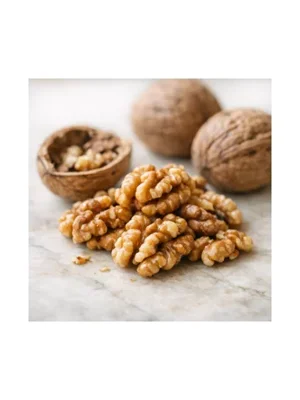
Walnut comes from the nut or its shell by solvent or CO2 extraction. The natural absolute is rare and costly, so aroma chemicals often stand in. It smells nutty and roasted, drier and less sweet than hazelnut or almond. A quiet oily warmth runs through it, with a waxy, oat-like grain, a dry hay-like note and a creamy, faintly coconut-like heart.
Walnut smells nutty and roasted, drier and less sweet than hazelnut or almond. A quiet, oily warmth runs through the kernel, with a waxy, oat like grain underneath. A dry, hay like cereal note lingers on top. A creamy, faintly coconut like lactonic heart sits inside it, with a mild sweetness and a cedarwood base beneath.
Read off the wheel, not a label applied to the note.
Tap a perfume to see where Walnut sits in it. The rest of the picture goes grey
No walnut material is produced for perfumery. The note is built over nutty and woody materials.
Walnut essence is typically obtained through extraction of the nut or its shell, using solvent or CO2 methods. Natural walnut absolute is rare and costly, so perfumers often recreate the scent using aroma chemicals and accords that mimic its characteristic profile.
Perfumers use walnut primarily as a heart or base note to impart depth and a comforting, edible warmth to gourmand, woody, or oriental compositions. It blends well with vanilla, tonka bean, woods, and spices, and can soften sharper notes or enrich creamy accords.
A selection of reviewed perfumes where Walnut appears prominently.
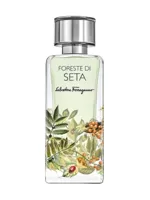
EDP · 2023
Salvatore Ferragamo
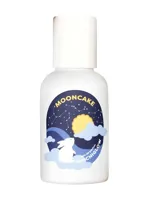
EDT · 2026
Mochiglow
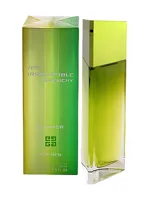
EDT · 2006
Givenchy
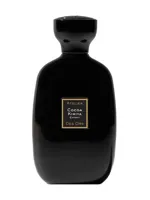
Extrait · 2024
Atelier Des Ors
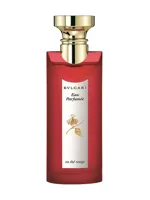
EDT · 2006
Bvlgari
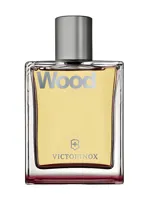
EDT · 2022
Victorinox Swiss Army

EDT · 2025
Disney
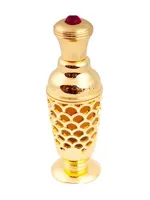
EDP
Al Haramain Perfumes
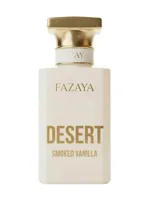
EDT · 2026
Fazaya
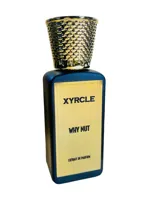
EDT · 2026
XYRCLE
New finds, honest verdicts, and price drops.
No spam. Unsubscribe anytime. See our privacy policy.