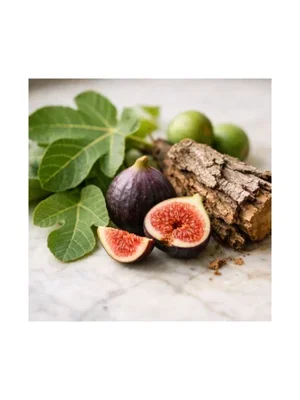
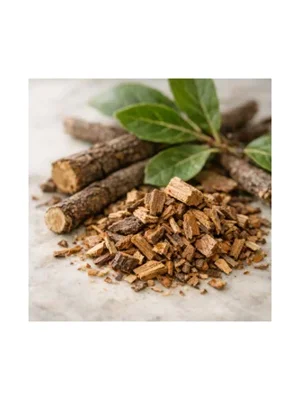
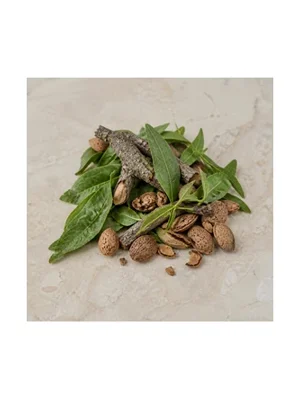
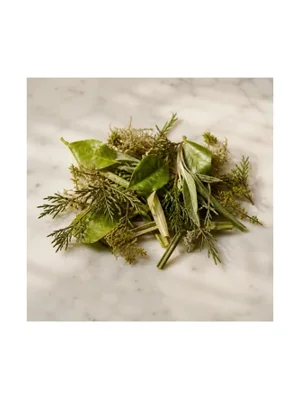
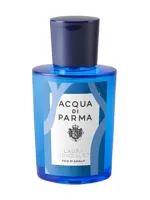
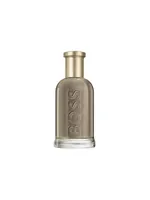
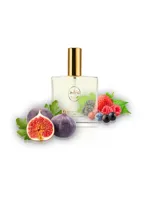
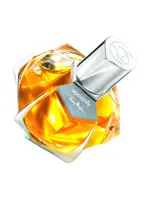
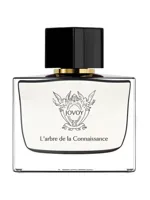
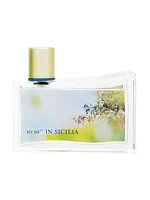
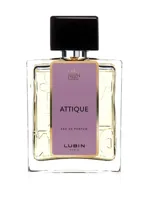
Fig tree in perfumery combines the fresh, milky, and slightly sweet aroma of fig fruit with the green, leafy scent of fig leaves and the creamy, woody undertones of the tree’s bark. The result is a lush, sun-warmed Mediterranean impression-green, slightly fruity, and softly woody, often with a creamy or coconut nuance. This note evokes the experience of sitting beneath a fig tree, surrounded by its natural, verdant scent.
Scent Profile
Fig tree in perfumery presents a layered aroma combining the fresh, slightly sweet scent of ripe fig fruit with the verdant, sappy greenness of fig leaves and a creamy, woody undertone from the bark. The note often includes nuances reminiscent of coconut or almond milk, contributing to its soft, lactonic character. Over time, it evolves from bright green and juicy facets to a mellow, woody-creaminess.
Read off the wheel, not a label applied to the note.
What this is made of
Fig Tree names no single substance
A natural extract
Fig leaf absolute is a real commercial material we do not hold. The search's hits are tea tree and treemoss - the word 'tree' matching. The material that would realise this note is Fig leaf absolute; we do not hold it, so this edge names the gap rather than asserting a reconstruction.
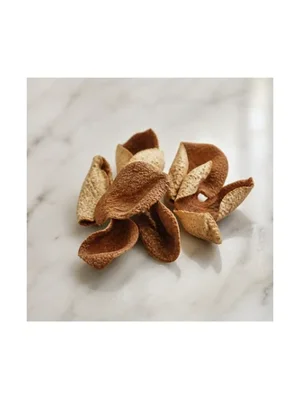
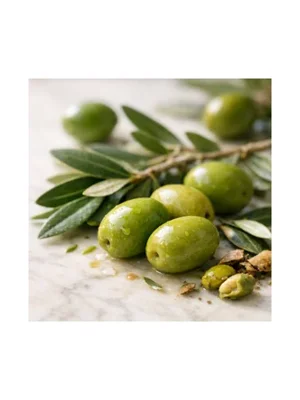
Fig tree notes are typically recreated using a blend of natural extracts and synthetic molecules, as direct extraction from the tree or fruit is not feasible. Key aroma chemicals include stemone for the leafy aspect and lactones for the creamy, fruity quality. The inspiration comes from the whole tree - fruit, leaves, and wood - commonly found in Mediterranean regions.
Usage in Perfumery
Perfumers use fig tree notes primarily in the heart of compositions to impart a lush, natural greenness and a creamy texture. It blends well with citrus, woods, florals, and other green notes, and is often featured in Mediterranean-inspired or summer fragrances. The note can serve as a bridge between fresh top notes and soft, woody bases.
We count visits to see which pages help people and to improve the site.
No advertising, and no tracking across other sites.
Read our cookie policy
Cookie Preferences
Analytics is on unless you switch it off here. Essential cookies cannot be
disabled as they're required for the website to function.
Always On
Required for the website to function. Includes session management and security tokens.
Counts visits and which pages people use, so we can improve the site. We use
Google Analytics with its advertising features switched off, plus our own
cookieless visit counter. Switching this off stops both.