


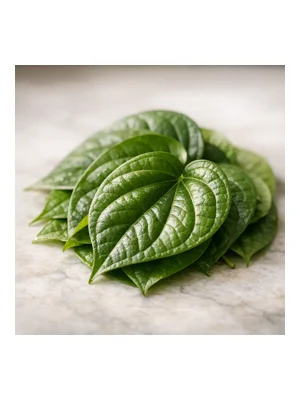
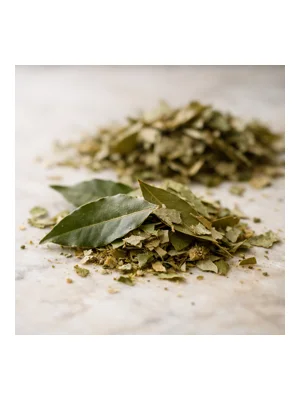
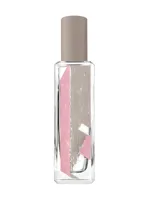
Leather & Artemisia
EDC · 2017
Jo Malone London
Favourite

Bitter, astringent, or tart character
The bitter accord is characterized by an astringent, tart, or sharp olfactory quality, often perceived as cool and slightly dry. It can evoke sensations similar to the rind of citrus fruits, green herbs, or unsweetened coffee. This accord adds depth and complexity, counterbalancing sweetness or richness in a fragrance.
Notes most distinctively associated with Bitter fragrances.
Notes most frequently found in Bitter fragrances.
Bitter accords have been used in perfumery since the early 20th century, particularly with the rise of chypre and fougère styles that favored contrast and sophistication. Notes like artemisia and citrus peel became popular for their ability to introduce a refined, slightly austere edge. The accord's prominence grew as perfumers sought to create more nuanced and less overtly sweet compositions.
Perfumers employ the bitter accord to add structure and contrast, often using it in top or heart notes to provide freshness and tension. It is commonly paired with citrus, aromatic herbs, or woody elements to enhance complexity. Bitter facets can also temper gourmand or floral notes, preventing a composition from becoming overly sweet or cloying.
A selection of reviewed perfumes built around Bitter.
EDC · 2017
Jo Malone London
EDT · 2012
The Different Company

EDT · 2023
Calvin Klein
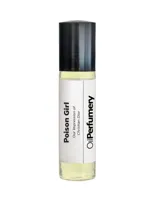
Oil · 2016
Oil Perfumery
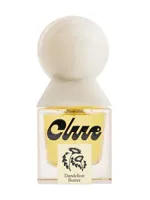
EDT · 2025
Clue Perfumery
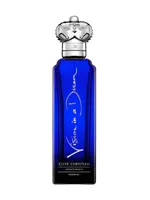
EDP · 2017
Clive Christian Perfume
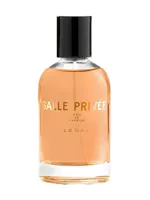
EDP · 2021
Salle Privée
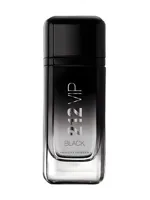
EDP · 2017
Carolina Herrera
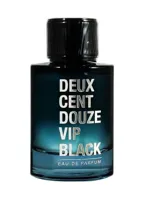
EDP · 2021
Fragrance World
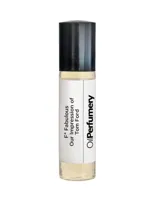
Oil · 2017
Oil Perfumery
New dupes, honest verdicts, and UK price drops.
No spam. Unsubscribe anytime. See our privacy policy.