Wormwood oil
A natural extractCAS 8008-93-3
Absinth in perfumery denotes Artemisia absinthium, wormwood, rather than the drink distilled from it.
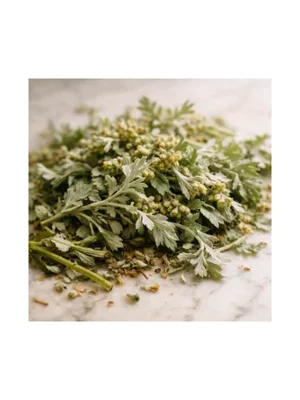
Note Profile
Absinthe
Absinth in perfumery evokes an aromatic, green-herbal scent with bitter undertones, reminiscent of the traditional absinthe spirit. It has subtle licorice and anise nuances, mixed with a fresh, camphorous edge that adds complexity and intrigue to compositions. This note can lend a sense of mysterious herbal sophistication to a fragrance.
Absinth in perfumery presents a vivid green-herbal aroma with pronounced bitter facets, underscored by licorice and anise nuances. It carries a fresh, slightly camphorous edge that imparts a cooling sensation and subtle complexity. As it evolves, the note can reveal earthy and aromatic undertones, contributing depth to the fragrance.
Read off the wheel, not a label applied to the note.
CAS 8008-93-3
Absinth in perfumery denotes Artemisia absinthium, wormwood, rather than the drink distilled from it.
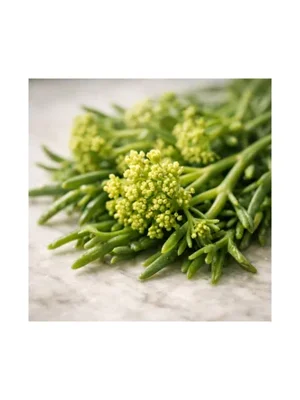
Absinth is typically derived from Artemisia absinthium, also known as wormwood, through steam distillation of the plant's leaves and flowering tops. The essential oil contains thujone and other terpenes responsible for its characteristic scent. It is inspired by the traditional absinthe spirit, which uses wormwood as a key botanical.
Perfumers use absinth primarily as a heart or accent note to introduce aromatic freshness and a touch of bitterness. It blends well with other herbal notes, spices, woods, and citrus, and is often found in fougère, aromatic, and some oriental compositions. Its role is to add intrigue, lift, and a sophisticated herbal character.
Perfumers known for using Absinth include
Carlos Benaïm, Juliette Karagueuzoglou, Paolo Terenzi, Arturetto Landi, Katell Plisson, and Marie Salamagne
A selection of reviewed perfumes where Absinth appears prominently.
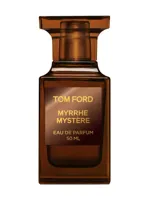
EDP · 2023
Tom Ford
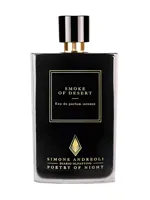
EDP · 2024
Simone Andreoli
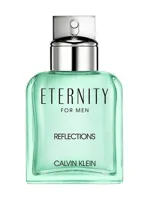
EDT · 2023
Calvin Klein
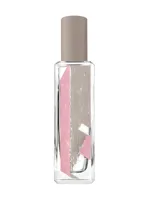
EDC · 2017
Jo Malone London
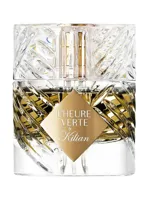
EDP · 2021
Kilian
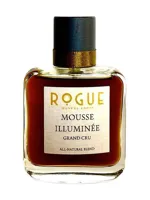
EDP · 2026
Rogue Perfumery
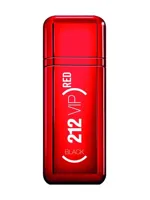
EDP · 2020
Carolina Herrera
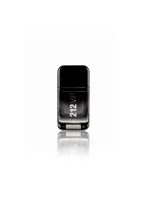
EDP · 2017
Carolina Herrera
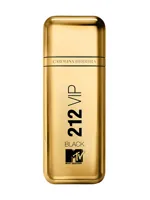
EDP · 2024
Carolina Herrera
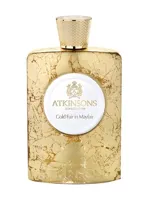
EDP · 2018
Atkinsons
New finds, honest verdicts, and price drops.
No spam. Unsubscribe anytime. See our privacy policy.