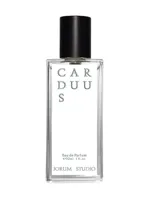
Carduus
EDP · 2019
Jorum Studio
Acquired

Aromatic herbs, garden herbs, and medicinal plant character
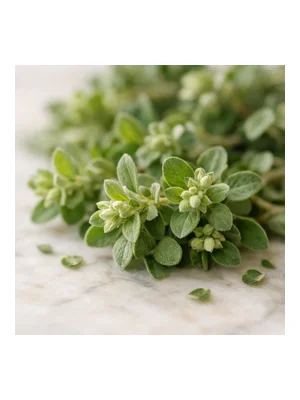
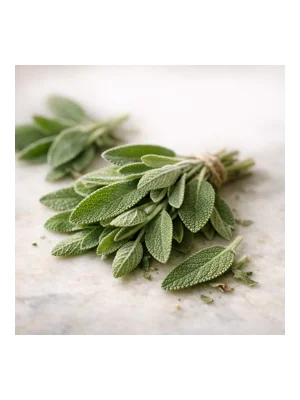
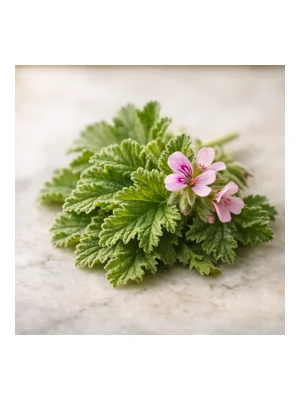
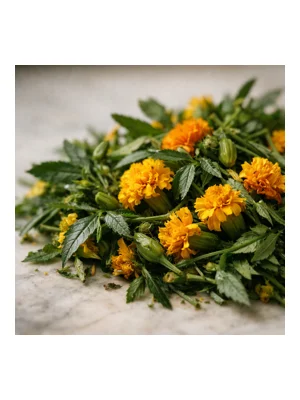
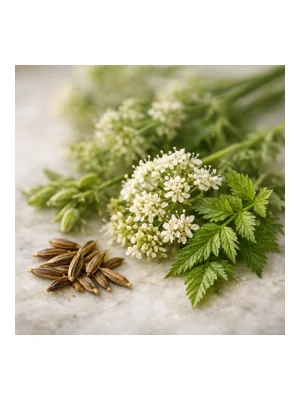
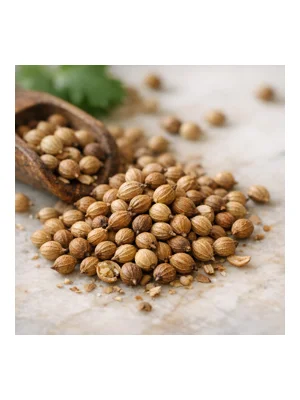
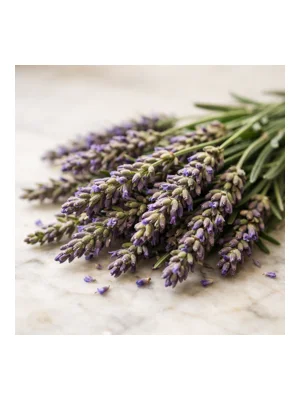
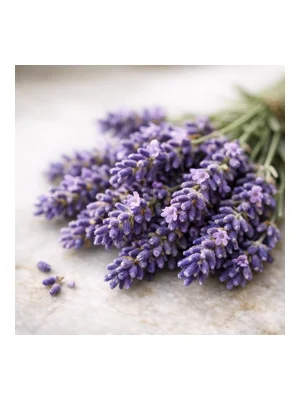
Herbal accords evoke the aroma of fresh or dried aromatic herbs, often with green, slightly bitter, and camphoraceous facets. They can be cool or warm depending on the specific herbs used, and typically carry a crisp, invigorating, and sometimes medicinal character. Common notes include rosemary, sage, thyme, basil, and lavender, contributing to a natural, garden-like impression.
Notes most distinctively associated with Herbal fragrances.
Notes most frequently found in Herbal fragrances.
Herbal accords have roots in ancient perfumery, where aromatic plants were used for both fragrance and medicinal purposes. In modern perfumery, herbal notes became prominent in the 20th century, especially in fougère and aromatic fragrance families. Their association with cleanliness and freshness has made them enduring elements in both masculine and unisex fragrances.
Perfumers use herbal accords to introduce freshness, complexity, and a naturalistic quality to compositions. They are often featured in top or heart notes, paired with citrus, floral, or woody elements to balance their sharpness. Herbal accords are especially common in fougère, aromatic, and green fragrance structures.
A selection of reviewed perfumes built around Herbal.
EDP · 2019
Jorum Studio
EDP · 2026
Frédéric Malle
EDC · 2022
Jo Malone London
EDP
The Essence Vault
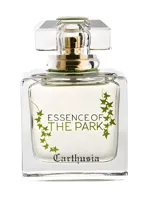
EDP · 2015
Carthusia
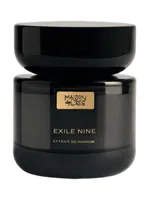
EDT · 2026
Maison de L’Asie

EDP · 2007
Jean Paul Gaultier
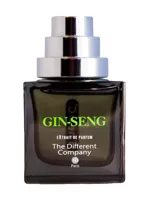
EDT · 2026
The Different Company
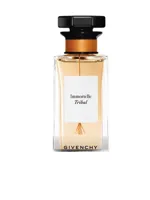
EDP · 2015
Givenchy
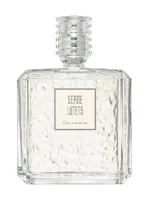
EDP · 2019
Serge Lutens
New dupes, honest verdicts, and UK price drops.
No spam. Unsubscribe anytime. See our privacy policy.