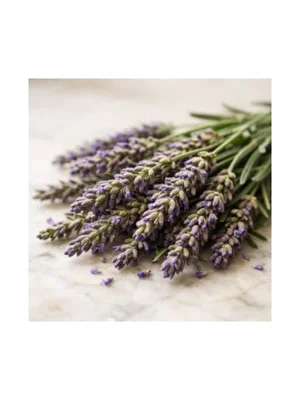
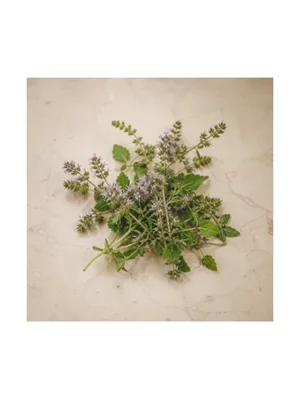
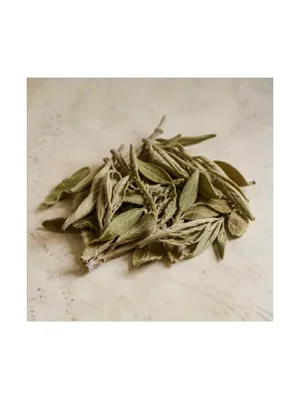
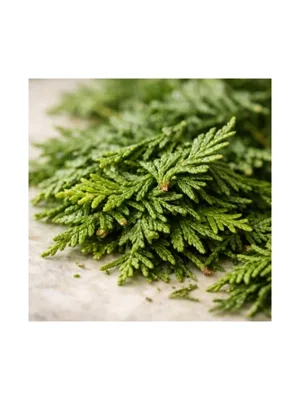
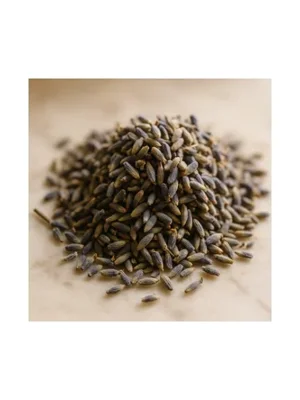
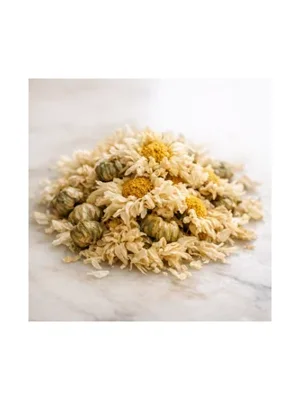
Aspic, also known as spike lavender, has a sharper, more camphoraceous and herbaceous scent than true lavender. Its aroma is fresh, brisk, and slightly medicinal, with green, spicy, and woody undertones, making it popular in aromatic and fougère compositions.
Scent Profile
Aspic, or spike lavender, presents a brisk, camphoraceous aroma with pronounced herbal and green facets. Its scent is sharper and more medicinal than true lavender, featuring spicy, woody, and slightly eucalyptus-like undertones. The note evolves from a fresh, invigorating opening to a subtly resinous and dry finish.
Read off the wheel, not a label applied to the note.
What this is made of
Spike lavender oil
A natural extract
CAS 8016-78-2
Held as `spike-lavender-oil`, an exact name match. Aspic IS spike lavender (Lavandula latifolia). This edge asserted material_not_held against a row we hold. Corrected 2026-08-18 by re-running the identity ladder over every material_not_held edge.
Aspic is derived from Lavandula latifolia, a species native to the western Mediterranean. The essential oil is obtained through steam distillation of the flowering tops, with Spain and France being primary sources. The plant thrives in lower altitudes and warmer climates compared to true lavender.
Usage in Perfumery
Perfumers use aspic mainly in top and heart notes to impart freshness and a green, aromatic lift. It is commonly blended with other herbs, citruses, and woody notes, and is a key component in fougère, aromatic, and masculine compositions. Its camphoraceous quality also supports medicinal or invigorating accords.
We count visits to see which pages help people and to improve the site.
No advertising, and no tracking across other sites.
Read our cookie policy
Cookie Preferences
Analytics is on unless you switch it off here. Essential cookies cannot be
disabled as they're required for the website to function.
Always On
Required for the website to function. Includes session management and security tokens.
Counts visits and which pages people use, so we can improve the site. We use
Google Analytics with its advertising features switched off, plus our own
cookieless visit counter. Switching this off stops both.