
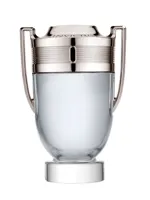
Invictus
EDT · 2013
Rabanne
Acquired
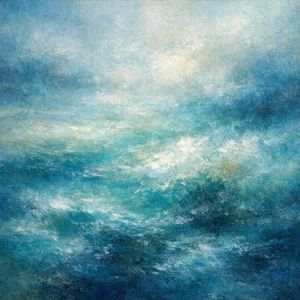
Ocean, sea-spray, and coastal character
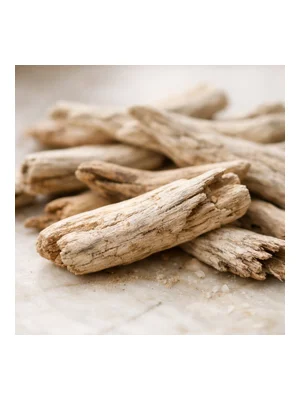
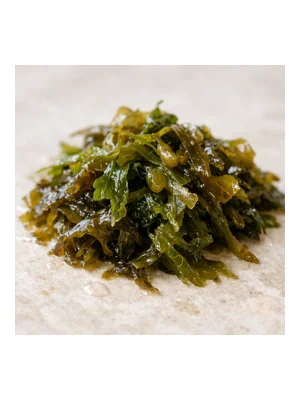
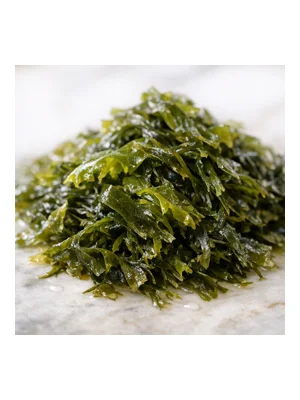
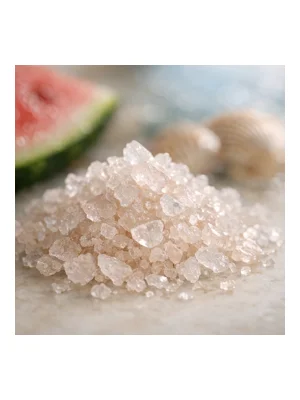
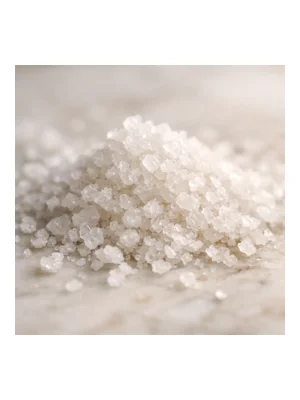
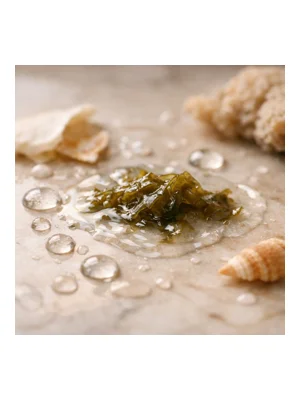
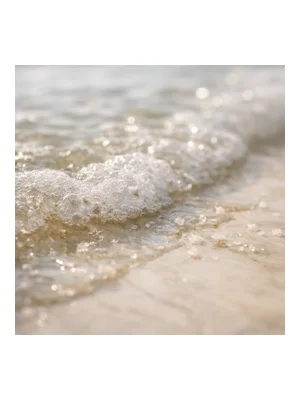
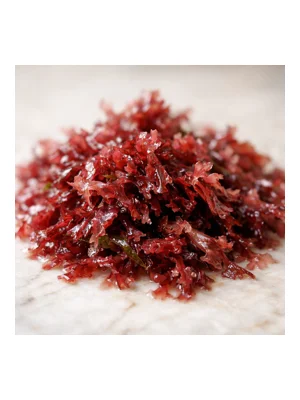
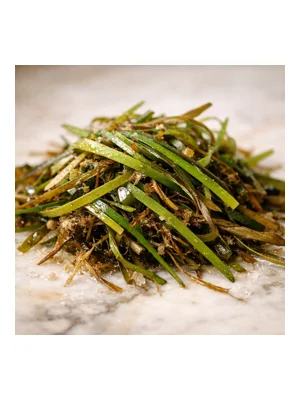
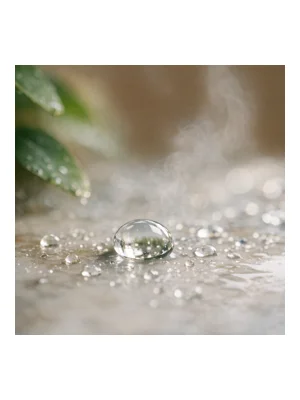
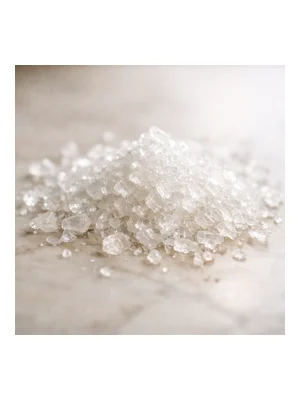
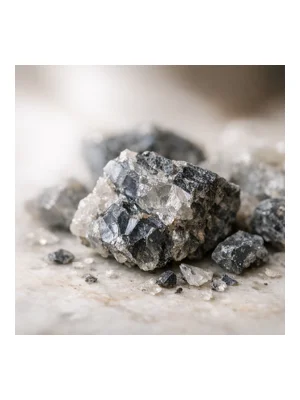
Marine accords evoke the smell of the ocean, featuring fresh, watery, and slightly salty notes reminiscent of sea spray and coastal air. They are typically cool and airy, sometimes with subtle ozonic or mineral undertones, and may include hints of seaweed or driftwood. The overall impression is clean and invigorating, often with a transparent, ethereal quality.
Notes most distinctively associated with Marine fragrances.
Notes most frequently found in Marine fragrances.
The marine accord emerged in the late 20th century, notably with the introduction of the synthetic molecule calone in the 1990s. This accord marked a shift toward aquatic and ozonic fragrances, reflecting a broader trend for freshness and modernity in perfumery. Its development allowed perfumers to capture the abstract scent of the sea, which was previously unattainable with natural materials alone.
Perfumers use marine accords to impart freshness and a sense of open space, often as a top or heart note in contemporary compositions. They are commonly paired with citrus, floral, or woody notes to balance their cool, watery facets. Marine accords are prevalent in both masculine and unisex fragrances, especially those designed for warm weather or sporty themes.
A selection of reviewed perfumes built around Marine.
EDT · 2013
Rabanne
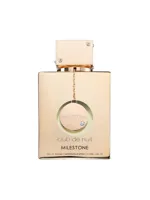
EDP · 2019
Armaf
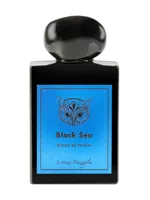
Extrait · 2019
Lorenzo Pazzaglia
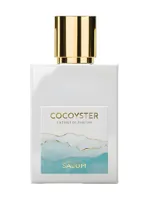
Extrait · 2024
Salum Parfums
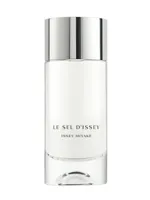
EDT · 2024
Issey Miyake
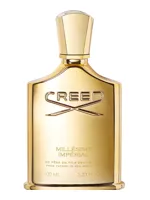
EDP · 1995
Creed
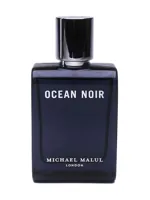
EDP · 2021
Michael Malul London
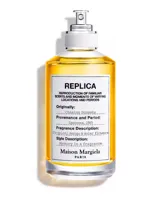
EDT · 2017
Maison Margiela
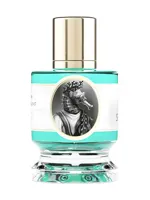
EDP · 2021
Zoologist Perfumes
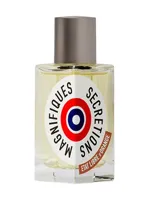
EDP · 2006
État Libre d'Orange
New dupes, honest verdicts, and UK price drops.
No spam. Unsubscribe anytime. See our privacy policy.