
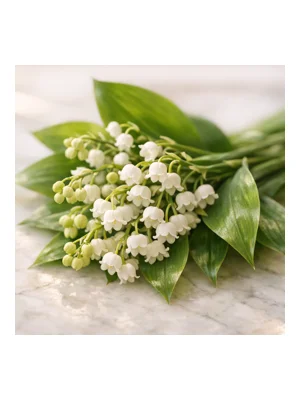
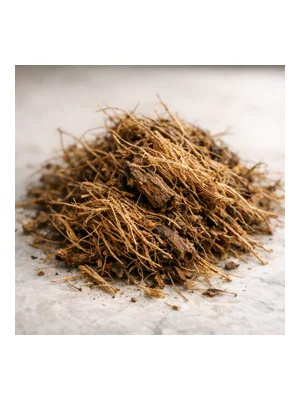
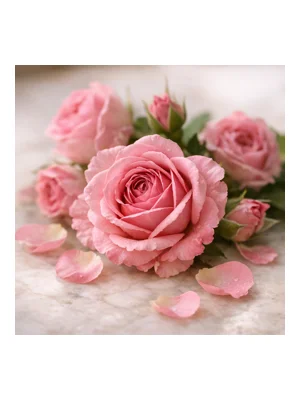
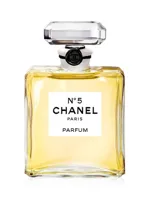
N°5
EDP · 1986
Chanel
Acquired

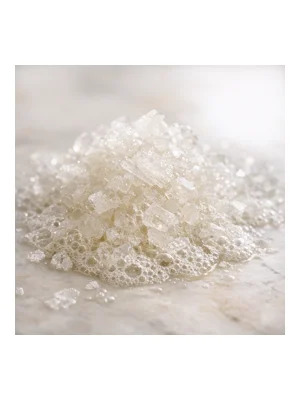
Soapy, waxy, effervescent top-note character from aldehydes
Aldehydic accords are characterized by a soapy, waxy, and effervescent scent, often described as sparkling or metallic. They impart a cool, airy brightness and can evoke the impression of freshly ironed linen or clean air. The olfactory character is typically abstract, with both floral and citrus nuances depending on the specific aldehydes used.
Notes most distinctively associated with Aldehydic fragrances.
Notes most frequently found in Aldehydic fragrances.
The use of aldehydic accords became prominent in the early 20th century, notably with the release of Chanel No. 5 in 1921, which popularized their use in modern perfumery. Aldehydes allowed perfumers to create new, abstract effects that were not possible with natural materials alone. Their introduction marked a shift toward more synthetic and innovative fragrance structures.
Perfumers use aldehydic accords primarily as top notes to introduce lift and radiance to a composition. They are commonly paired with floral, woody, or citrus notes to enhance brightness and diffusion. Aldehydic accords often serve as signature elements in classic floral-aldehydic and chypre fragrances.
A selection of reviewed perfumes built around Aldehydic.
EDP · 1986
Chanel
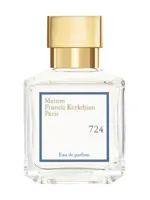
EDP · 2022
Maison Francis Kurkdjian
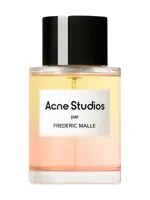
EDP · 2024
Frédéric Malle
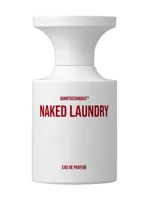
EDP · 2024
BORNTOSTANDOUT
EDT · 2011
Avon
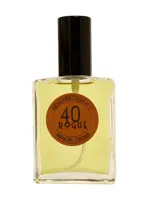
EDP · 2019
Rogue Perfumery
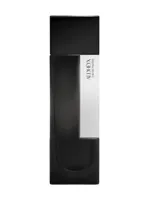
EDP · 2016
Laurent Mazzone Parfums
EDP · 2017
ALREHAB PERFUMES
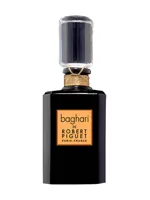
EDP · 2006
Robert Piguet
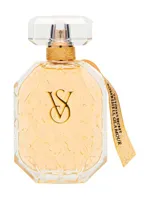
EDP · 2023
Victoria's Secret
New dupes, honest verdicts, and UK price drops.
No spam. Unsubscribe anytime. See our privacy policy.