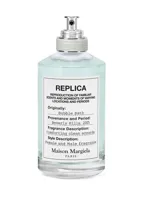
Bubble Bath
EDT · 2020
Maison Margiela
Favourite

Clean, fresh, soap-like character
The soapy accord is characterized by a clean, fresh, and slightly powdery scent reminiscent of traditional bar soap. It often conveys coolness and a subtle floral or musky undertone, with aldehydic brightness and a soft, airy texture. Key characteristics include a sense of purity, lightness, and gentle freshness.
Notes most distinctively associated with Soapy fragrances.
Notes most frequently found in Soapy fragrances.
The soapy accord became prominent in perfumery with the introduction of aldehydic fragrances in the early 20th century, notably with Chanel No. 5 in 1921. Its association with cleanliness and modern hygiene reflects cultural shifts toward personal grooming and the popularity of fine soaps. Over time, it has become a staple in both fine fragrances and functional products like body care.
Perfumers use the soapy accord to evoke cleanliness and freshness, often as a top or heart note in both feminine and unisex fragrances. It is commonly built with aldehydes, iris, and musk, and pairs well with floral, green, and citrus notes to enhance the sensation of purity. The accord is also used to soften compositions or impart a familiar, comforting quality.
A selection of reviewed perfumes built around Soapy.
EDT · 2020
Maison Margiela
2020
Nivea
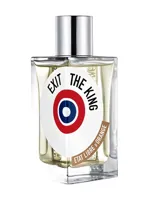
EDP · 2020
État Libre d'Orange
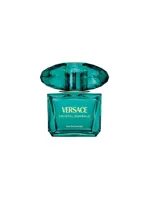
EDP · 2025
Versace
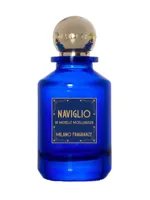
EDP · 2021
Milano Fragranze
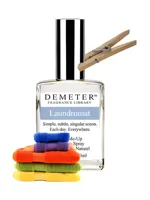
EDC · 2012
Demeter Fragrance Library
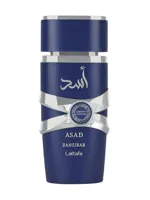
EDP · 2025
Lattafa
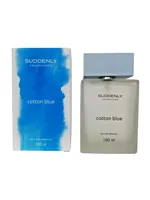
EDT · 2020
Lidl
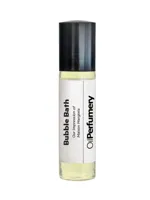
Oil · 2020
Oil Perfumery
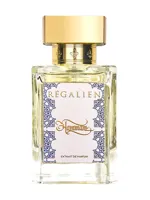
EDP · 2023
Régalien
New dupes, honest verdicts, and UK price drops.
No spam. Unsubscribe anytime. See our privacy policy.