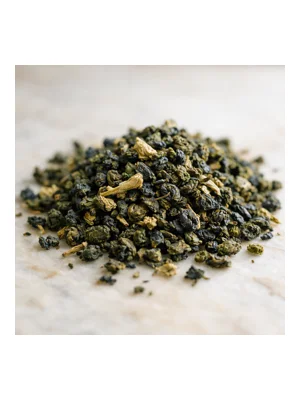
Blue Tea
Note Profile
About
Blue tea, or oolong tea, has an aromatic profile that is both fresh and slightly woody, with delicate floral nuances and a mild, subtle sweetness. In perfumery, it conveys a refined, meditative tea aroma balanced between the grassy-green freshness of green tea and the roasted, deeper tones of black tea. This note adds a serene, contemplative facet to fragrances, often used to evoke tranquility and elegance.
Scent Profile
Blue tea in perfumery offers a nuanced aroma combining fresh, slightly woody facets with gentle floral undertones and a mild, clean sweetness. Its scent sits between the grassy, dewy notes of green tea and the toasted, malty depth of black tea, evolving to reveal a serene, airy quality. Subtle mineral and musky hints may emerge as it dries down, contributing to its contemplative character.
ScentWheel
Origin
Blue tea refers to oolong tea, produced from partially oxidized leaves of Camellia sinensis, primarily in China and Taiwan. The note is typically recreated in perfumery using a blend of natural tea extracts, aroma molecules, and supporting accords to capture its distinctive profile. Direct extraction is rare due to the delicate nature of tea volatiles, so perfumers often use headspace analysis and reconstruction.
Usage in Perfumery
Perfumers use blue tea as a heart note to impart a tranquil, sophisticated tea facet, often in fresh, floral, or woody compositions. It blends well with citrus, light florals, soft woods, and musks, enhancing both transparency and depth. Blue tea is valued for its ability to evoke calmness and refinement without dominating a blend.
Similar Notes
Common Accords








Perfumes featuring Blue Tea
A selection of reviewed perfumes where Blue Tea appears prominently.
No perfumes featuring this note have been reviewed yet. Check back soon.